
- India,
- 10-Nov-2026 08:03 PM IST



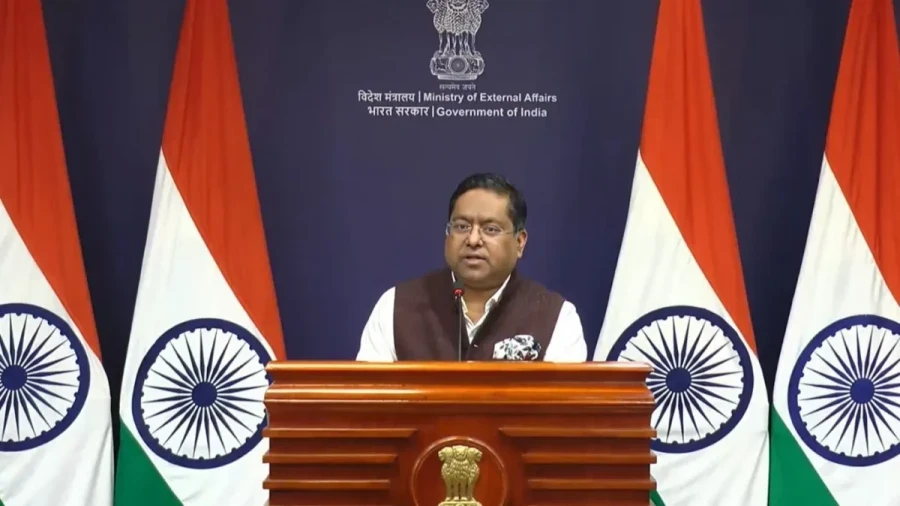
Amid the ongoing maneuvers for the formation of a new government in Israel, India has clearly stated its diplomatic position. Ministry of External Affairs spokesperson Randhir Jaiswal said on Tuesday that India's relations with Israel are excellent, multidimensional, and strategic in nature, while amid various speculations regarding bilateral ties following the formation of a new government in Israel, the Ministry of External Affairs has provided a definitive response. The MEA stated that relations with the people of Israel are excellent and will remain so in the future.
During the weekly media briefing on Tuesday, Ministry of External Affairs spokesperson Randhir Jaiswal addressed India-Israel relations, stating that ties with Israel are exceptionally good. He emphasized that relations with the people there are strong, multidimensional, and strategic. A new government is currently being formed in the country. Spokesperson Jaiswal added that just like before, India's engagement and dialogue with Israel will continue, and these relations will be taken forward comprehensively.
President Invites Gadi Eisenkot To Form Government
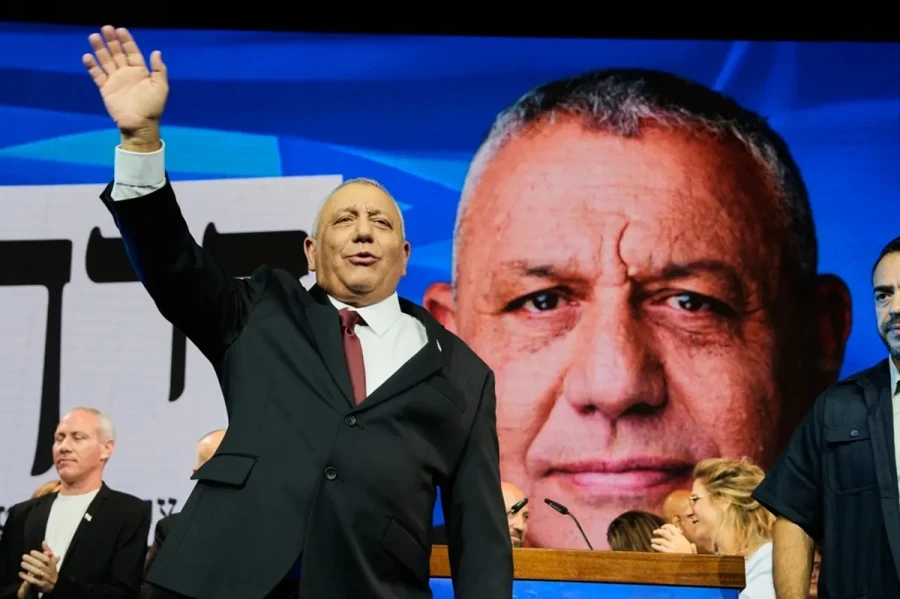
In the parliamentary elections held on October 27 in Israel, no single coalition managed to secure a clear majority. Following this, Israeli President Isaac Herzog officially entrusted Gadi Eisenkot with the mandate to form a new government on Sunday. Eisenkot has been given a period of 28 days to complete this task. If deemed necessary, the President can grant him an additional 14 days. To form a government in Israel's 120-member parliament, the support of at least 61 members of Knesset is mandatory.
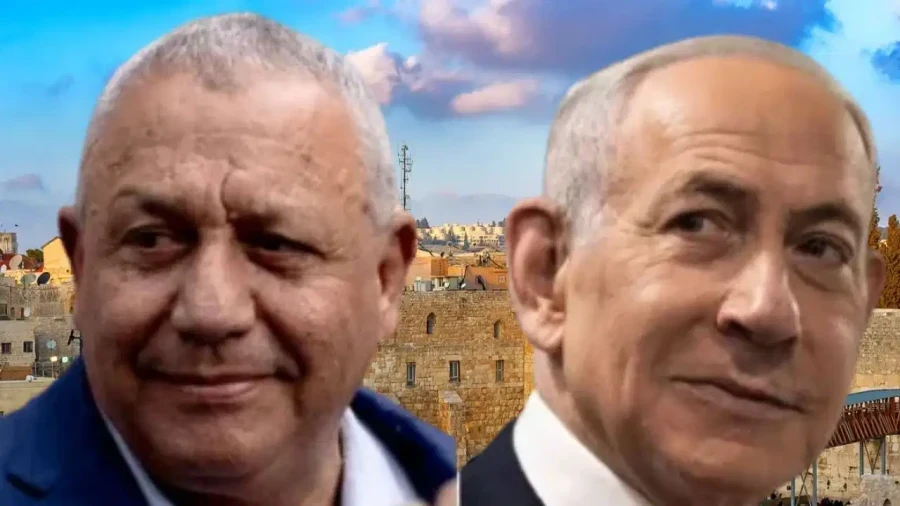
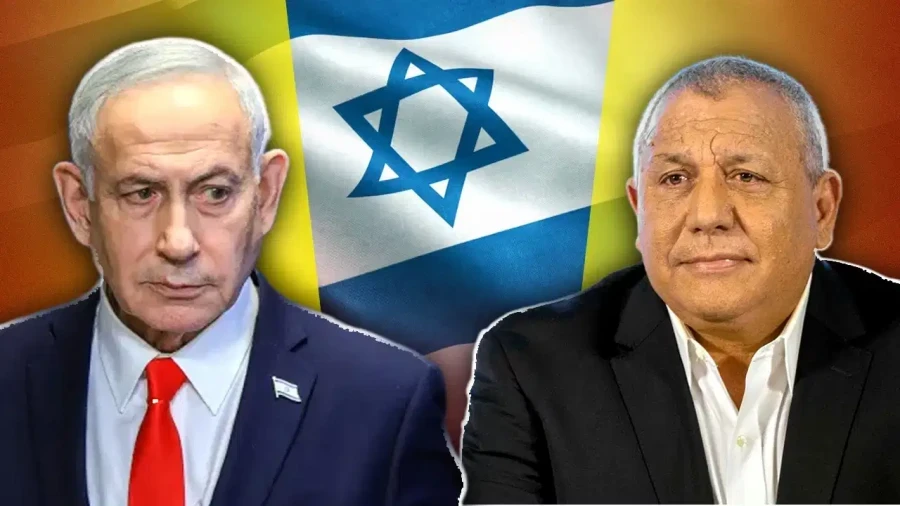
During the government formation process, Eisenkot has extended an invitation to join the coalition to former Prime Minister Netanyahu's Likud party and Finance Minister Bezalel Smotrich's right-wing party 'Religious Zionism'. However, Eisenkot has set a condition that he will lead the new coalition government himself.
Crucial Role Of Arab Factions In Government Formation
The role of Arab-majority parties has also become significant in this government formation exercise. These parties have indicated their agreement to support Eisenkot. However, some members of his opposition coalition are reluctant to form a government alongside Arab parties. Eisenkot also has the alternative option of securing support from ultra-Orthodox Jewish parties, but a key demand of these parties is an exemption from mandatory military service for their community. Conversely, Eisenkot desires a uniform and equal military service system for all citizens.
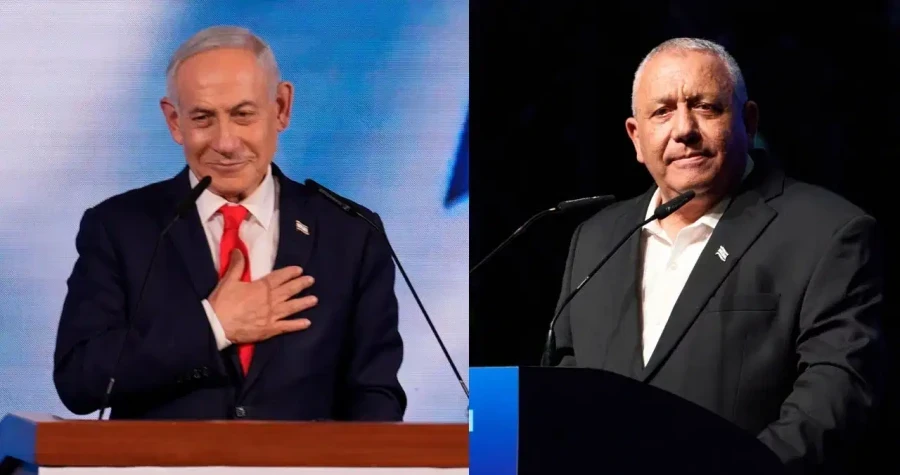
To recall, in the parliamentary elections, Netanyahu's Likud party won 27 seats and emerged as the largest party. Netanyahu's coalition holds a total of 53 seats, falling short of the 61 seats required for a majority by 8 seats. Meanwhile, Eisenkot's Yashar party secured 21 seats, placing second. The four-party Jewish alliance holds 48 seats, while two parties representing Israel's Arab minority community won a total of 19 seats. Consequently, Eisenkot's path to forming a government won't be straightforward. Notably, Israel's Arab political alliance 'Joint List' and the Arab-led 'Ra'am' party have endorsed Yashar party leader Gadi Eisenkot as the country's next Prime Minister.