
- India,
- 10-Nov-2026 02:16 PM IST



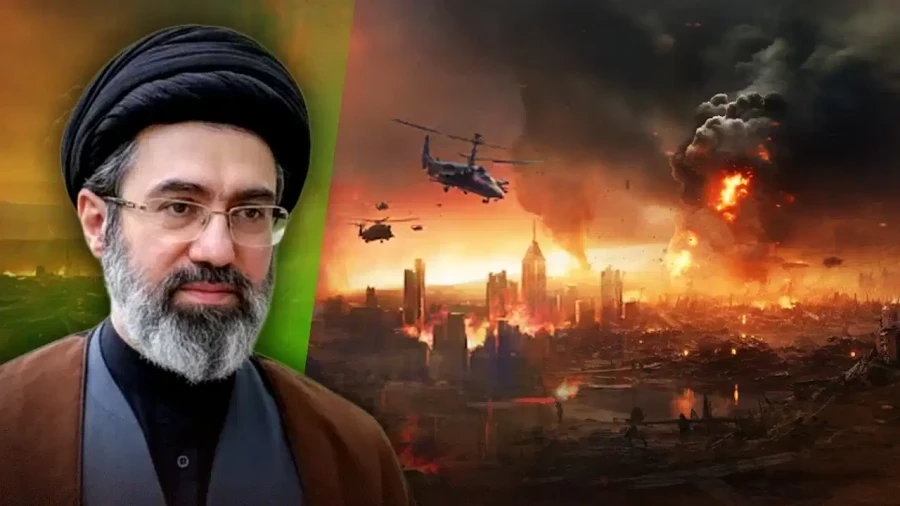
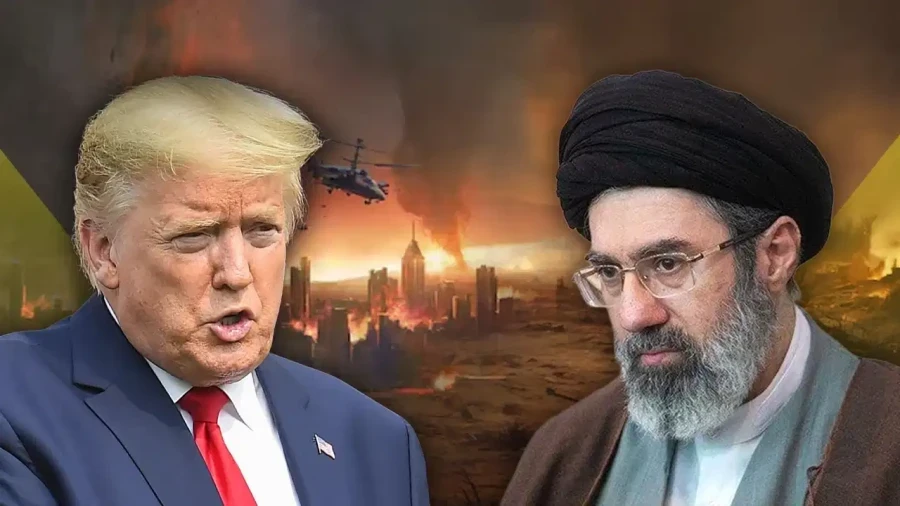
In contemporary international politics, developments in the Middle East have taken center stage, where the ongoing tensions between the United States and Iran have reached a critical juncture. Mohsen Rezaei, the secretary of Iran's Supreme National Security Council, has leveled serious accusations against Washington, claiming that the United States has been spreading fake news regarding potential negotiations. He has explicitly demanded that to end the war against Iran, Washington must accept Tehran's seven conditions. His remarks have sparked global discussions over whether the United States will eventually surrender to these demands or if the conflict between the two nations will escalate further. Sharing a post on the social media platform X, Mohsen Rezaei asserted that the US government has already suffered massive losses due to this ongoing conflict. Criticizing Washington's current attitude, he accused the American administration of behaving like a desperate gambler. In his strongly worded message, he warned the US to pull back its hands and immediately stop spreading fabricated news about imaginary negotiations.
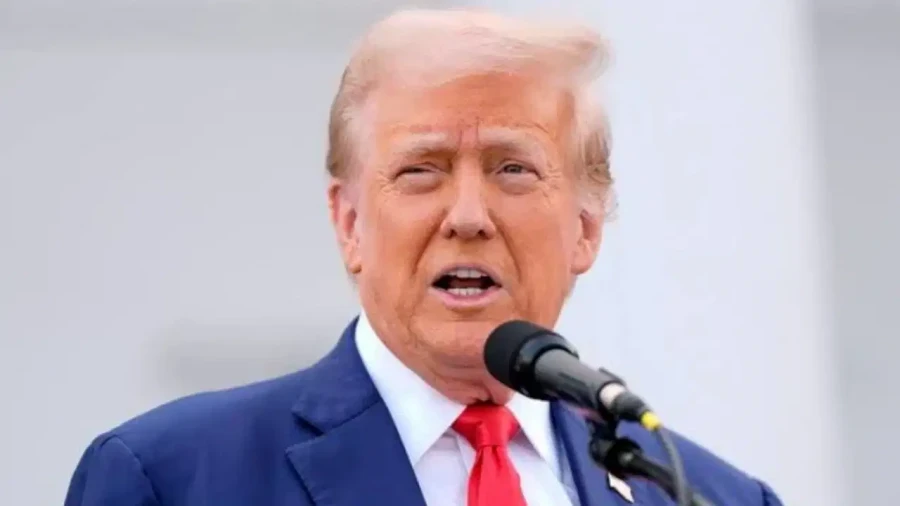
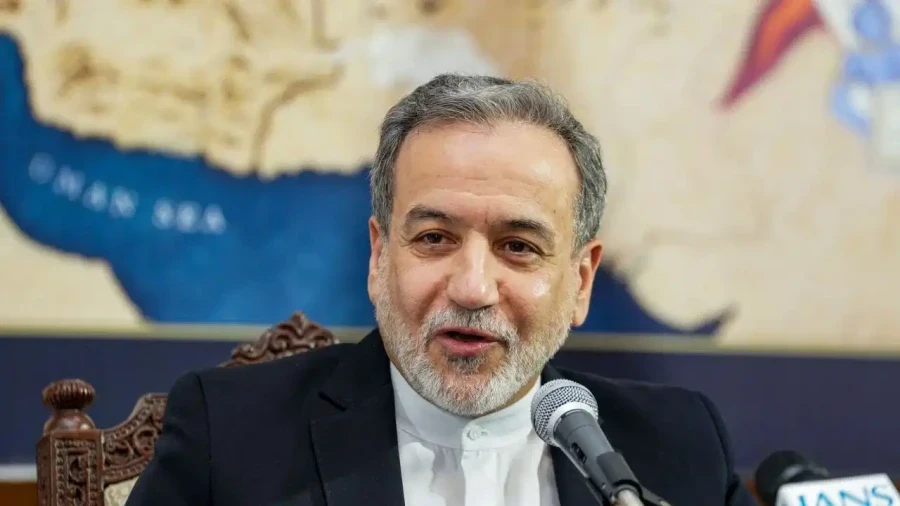
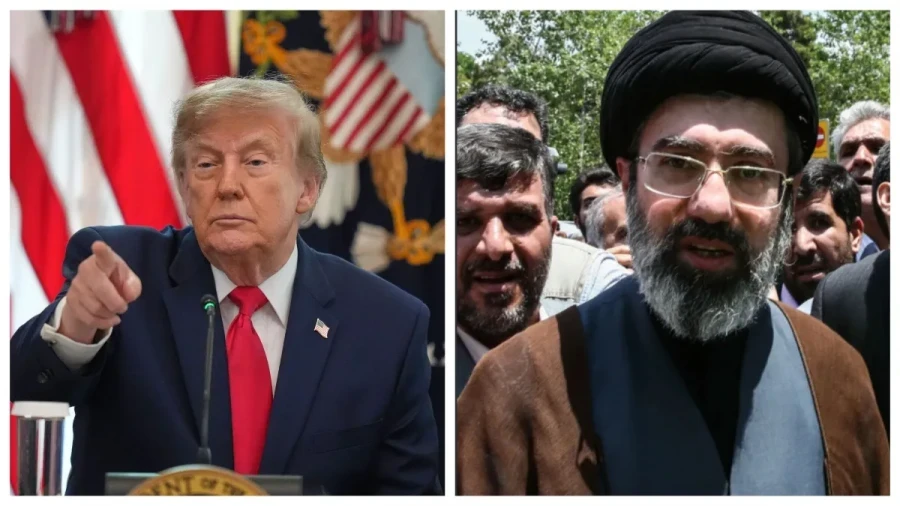
A major turning point in this diplomatic standoff occurred when reports indicated that on November 6, Iran handed over the final draft of a potential agreement to Qatar. In this draft, Iran made it crystal clear that no agreement would be finalized unless all of its seven conditions are fully met. As part of this strategic maneuver, it has also been claimed that Iran has given US President-elect Donald Trump a strict deadline of two days to make a decision, while iranian Foreign Minister Abbas Araghchi further reinforced this aggressive stance through his own social media post. He wrote that American voters have made their decision and now it's the turn of the White House. He emphasized that their two-day proposal still stands, while in stern words, he warned Washington to fulfill all conditions, including ending the war on all fronts, to witness positive outcomes, or alternatively, choose war and watch Iran's battle-hardened warriors wreak havoc. This marks perhaps the very first time since the outbreak of the conflict that Iran has issued such a direct and unyielding ultimatum to the United States.
On the other hand, sharp reactions have also emerged from the American establishment. United States Secretary of State Marco Rubio has clearly stated that the conditions laid out by Iran are completely unacceptable. Despite this rejection, political analysts believe that the shifting stances of both Washington and Tehran are driven by underlying domestic and international political factors. The primary catalyst for the current situation is reported to be the midterm elections, where electoral setbacks have somewhat weakened Donald Trump's political standing. While Trump's tone appears relatively calm and softened in the post-election phase, Iran has adopted an increasingly aggressive posture. The hardliner faction within Iran is currently energized and intends to exploit this US vulnerability and the post-election political atmosphere to enforce conditions that ensure no future economic sanctions are imposed on Iran and no threats to its sovereignty or security remain.
The seven key conditions set by Iran for a complete cessation of hostilities and the signing of any agreement have become a major talking point in international diplomatic circles. The detailed breakdown of these seven conditions is as follows, while as the first condition, Iran has demanded an immediate halt to all military and hostile actions across all fronts, particularly in the region of Lebanon. Under the second condition, Tehran has insisted on the immediate release of its funds that were frozen by the United States, amounting to billions of US dollars, while the third condition requires the complete lifting of the naval blockade imposed by the United States on Iranian ports to normalize international maritime trade. The fourth condition explicitly demands an end to all forms of American interference in Iran's internal affairs. As the fifth condition, Iran has stated that the United States must immediately cease all cooperation with the opponents of the Iranian Revolution. The sixth condition dictates that the United States must halt all types of attacks within Iranian territory. Finally, the seventh condition mandates the complete and unconditional removal of all economic sanctions imposed on Iran by the United States. It remains to be seen whether Washington will bow to these stringent terms or if the conflict will spiral into a new and more destructive phase.