
- India,
- 09-Nov-2026 08:40 AM IST



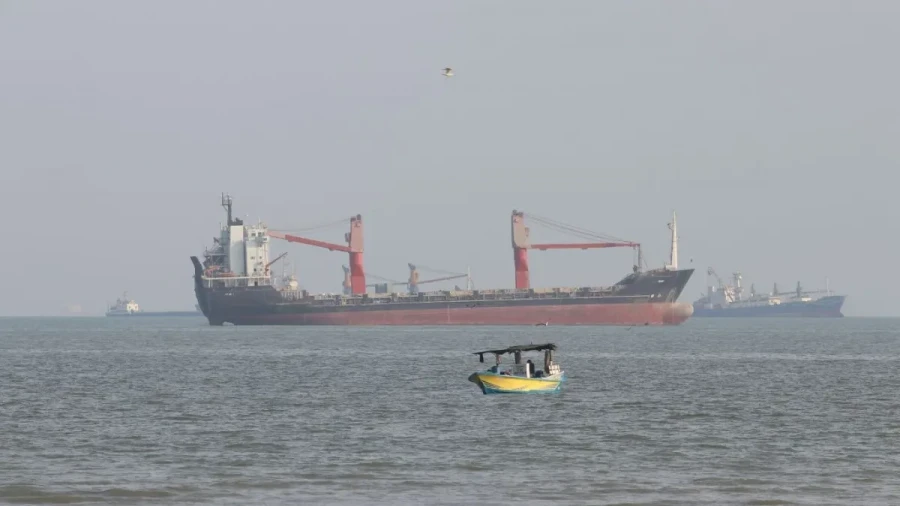
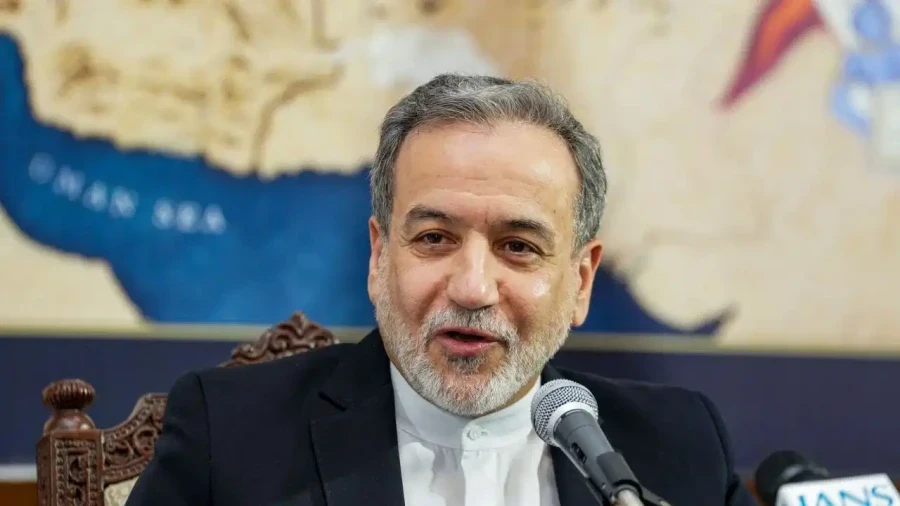
Iran has presented a two-day proposal to the United States, declaring that if the US agrees to the condition of ending the war across all fronts, Iran will open the strategically vital Strait of Hormuz within forty-eight hours. Iranian Foreign Minister Abbas Araghchi warned that if the United States fails to comply and refuses to accept these conditions, the Iranian armed forces will launch a fierce and devastating attack against them. This major development comes at a time when bilateral tensions have reached an all-time high, casting a shadow of profound uncertainty over the diplomatic landscape in the region.
Proposal Shared Through State and Social Media Channels
Iranian Foreign Minister Abbas Araghchi gave a detailed interview to Iran's state-owned media outlet IRNA on Sunday. Immediately following the interview, he took to the social media platform X to share a stern post regarding the ongoing standoff. He explicitly wrote that American voters have delivered their verdict, and now the White House must also make a decisive choice. Araghchi emphasized that their two-day proposal still stands firm, while he called upon the US to accept their conditions, including ending the war on all fronts, and witness the positive outcomes, or alternatively, choose the path of war and face the assaults of their fully prepared soldiers.
Diplomatic Stalemate Follows US Midterm Elections
Elaborating further, Abbas Araghchi stated that peace negotiation talks between the two nations have failed to make any progress following the unexpected results of the US midterm elections. The movement of representatives from mediating countries has also completely halted over the past few days. He highlighted that the electoral outcomes have triggered major political turbulence within the United States. According to Araghchi, it remains to be seen whether Washington will opt for the path of diplomacy or resort to aggressive military action. He asserted firmly that Iran is fully prepared for any possible scenario of war, noting that its military has upgraded its weapons, addressed internal vulnerabilities, and successfully tested new armaments.
US Secretary of State Marco Rubio Rejects Iranian Demands
On the other hand, US Secretary of State Marco Rubio stated clearly in Florida on Sunday that Iran's demands are completely unacceptable and can't be met. Although numerous nations around the globe are actively attempting to mediate and restart dialogue between the two sides, there are currently no expectations of any breakthrough agreement. Rubio was addressing reporters just before departing for France to attend the upcoming G7 meeting. He remarked that US President Donald Trump intends to resolve the dispute through diplomacy, but certain demands put forth by Tehran are utterly impractical and ridiculous.
President Donald Trump Softens Stance and Claims High Inflation
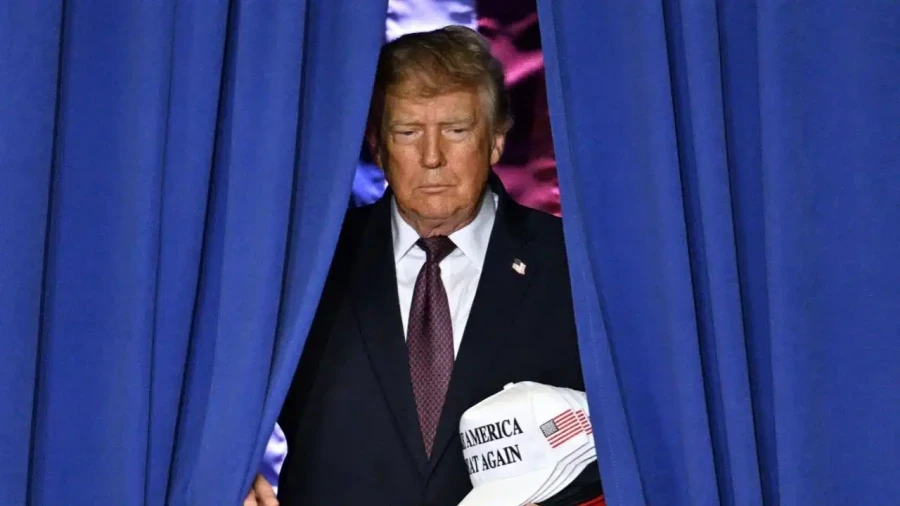
Meanwhile, US President Donald Trump stated in an interview with CNN on Sunday that if diplomatic talks progress favorably, there may perhaps be no need to launch another military strike against Iran. He noted that this outcome entirely depends on whether Iran agrees to sign a strong and lasting agreement. Dismissing Iran as a weak nation, Trump claimed that inflation in the country has skyrocketed to three hundred one percent. He asserted that the United States has inflicted massive military and economic damage upon Iran, warning that the country could be completely obliterated if the need arises. Prior to this, on Thursday, Trump had stated that the US military remains fully prepared to strike Iran and that America is currently manufacturing weapons at a scale greater than ever before.
Shifting Stance Post Election Loss and Qatar-Mediated Proposal
Following the Republican Party's defeat in the US midterm elections, President Donald Trump has adopted a somewhat softer tone regarding the conflict with Iran, while vice President JD Vance had previously blamed the adverse impacts of the Iran war on American citizens as the primary reason for the electoral defeat. Although Trump acknowledged that the war influenced the election results, he maintained that he wouldn't hesitate to take similar actions again if required. Amidst this tense environment, Iran has transmitted a proposal concerning its nuclear program to the United States through diplomatic channels in Qatar. According to various reports, Tehran has laid down seven specific conditions to kickstart formal negotiations, though no mutual consensus has been reached between the two nations thus far.