
- India,
- 11-Nov-2026 12:52 PM IST



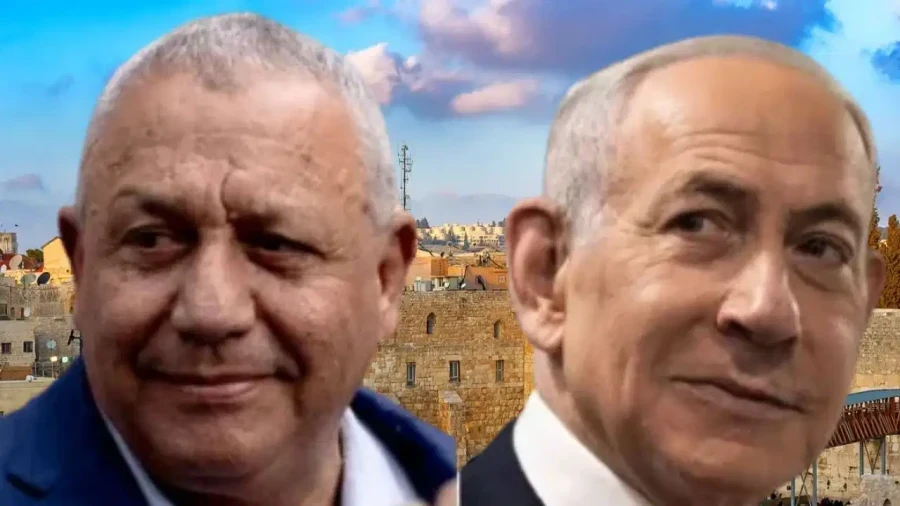
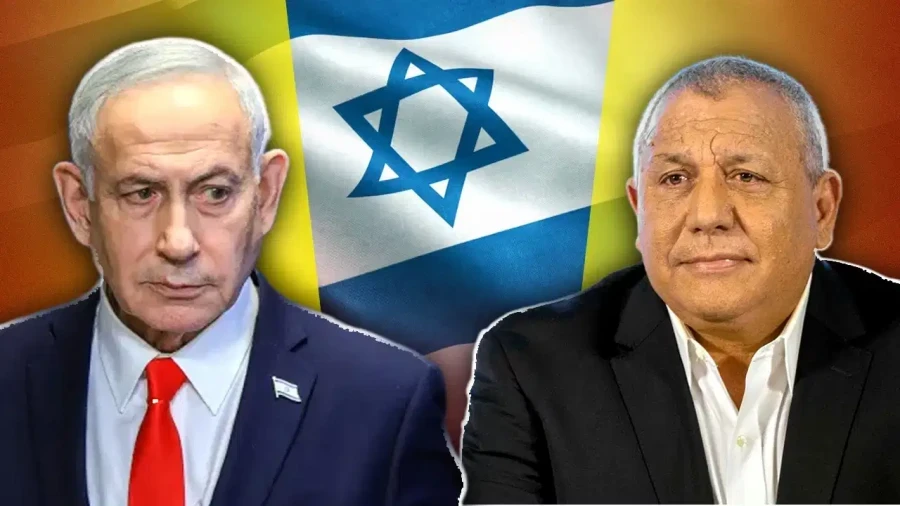
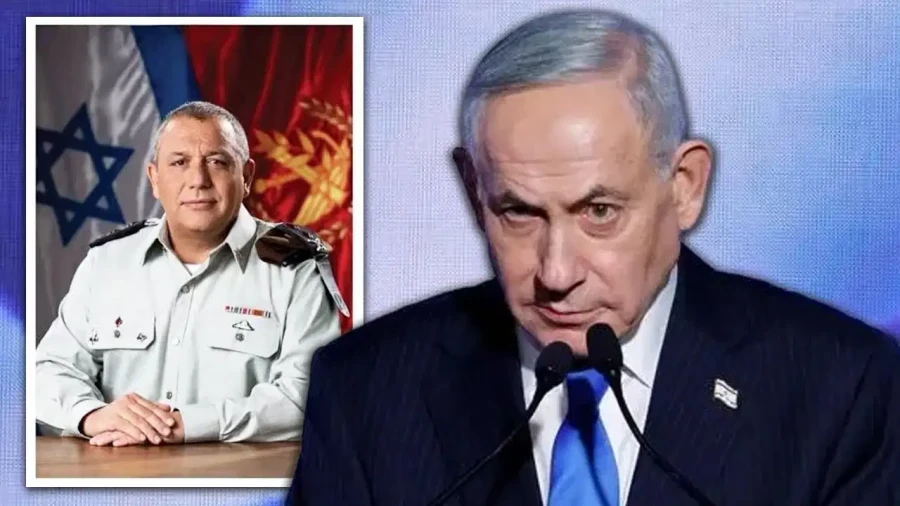
More than a week has passed since the results of the parliamentary elections in Israel were announced, but a new government has not been formed yet. Even though Benjamin Netanyahu didn't secure a landslide victory in the elections, no one else has managed to defeat him either. At the same time, his challenger Gadi Eisenkot also lacks the numbers required to form a government. As a result, the situation in Israel continues to shift rapidly, creating an ongoing atmosphere of political uncertainty.
Election Results and Seat Mathematics
Elections were held in Israel on October twenty seventh, and the results were officially declared on November fourth. In these elections, Benjamin Netanyahu's alliance secured fifty three seats, while his rival Gadi Eisenkot's alliance won forty eight seats. Meanwhile, Arab parties want to play the role of kingmaker by winning nineteen seats and are offering their support to Eisenkot. However, Gadi Eisenkot remains in a vulnerable position despite securing this support because this coalition is considered completely mismatched.
Opposition by Jewish Parties to Arab Support
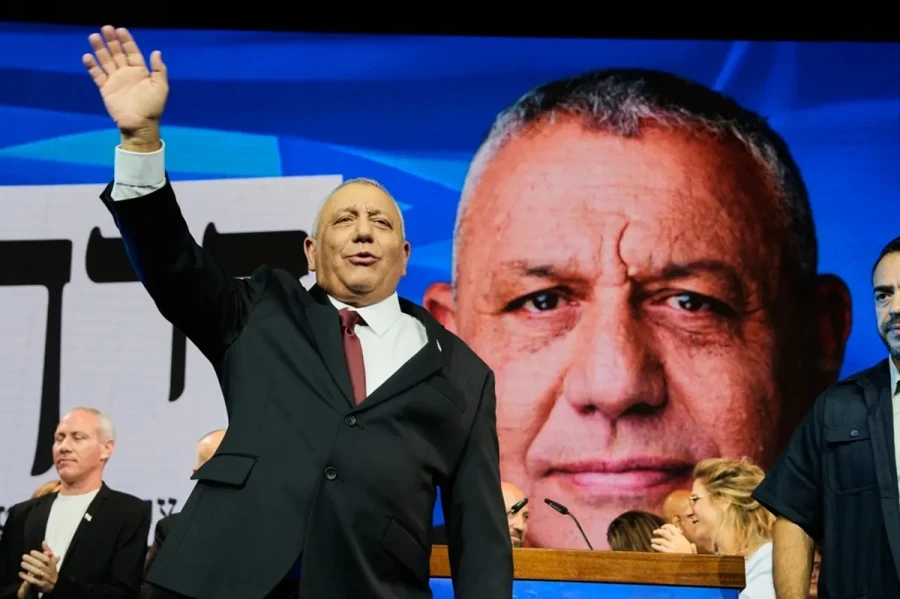
Although Gadi Eisenkot has currently gained an initial edge in this political race, President Isaac Herzog handed him the mandate to form a government on November eighth, while eisenkot has time until December sixth to finalize his coalition. On top of that, the members of the new parliament, known as the Knesset, took their oaths on November tenth, but the path to government formation remains far from clear. The primary reason behind this is the strong opposition by Jewish religious parties to any support coming from Arab factions.
Ideological Differences and the Gaza War
Arab parties are in favor of an immediate halt to the ongoing war in Gaza and are demanding the creation of an independent Palestinian state. This is precisely why Jewish religious parties have historically been staunch opponents of Arab parties. These Jewish factions believe that running a government in alliance with such parties isn't in the national interest and remains practically impossible from an ideological standpoint.
Netanyahu Renewing Efforts to Form Government
Meanwhile, as soon as news broke regarding the opposition to Arab party support, Benjamin Netanyahu intensified his efforts to form a government once again. Netanyahu is actively trying to bring those Jewish parties from the opposition alliance into his own camp, while he's urging Jewish parties to form a unity government and is highlighting his Likud party as the largest party in the country, thereby asserting his legitimate right to lead the government.
Tough Challenges Awaiting Gadi Eisenkot
Similar political maneuvering is underway from the opposing side as well, while yisrael Beiteinu party leader Gadi Eisenkot has won the first battle of becoming Israel's next prime minister, but the real and much tougher challenge still lies ahead of him. Eisenkot desperately needs the support of thirteen members of parliament to prove his majority. Bringing Arab parties into his fold could prove to be politically dangerous, while Eisenkot is also attempting to poach MPs from opposing parties.
Avigdor Lieberman's Role and Prospects of Fresh Elections
Amidst all these developments, right-wing leader Avigdor Lieberman is emerging in the crucial role of a gamechanger. Lieberman's sharp focus is currently on the parties within Benjamin Netanyahu's coalition, while haredi parties in Israel have long been traditional allies of Netanyahu, but their relations have recently strained over the issue of military enlistment exemptions. Lieberman wants to exploit this exact opportunity to pull them into the opposition camp.
Until a new prime minister officially takes the oath of office in Israel, Benjamin Netanyahu will continue to serve as the caretaker prime minister, while if both Gadi Eisenkot and Benjamin Netanyahu ultimately fail in their attempts to form a government, fresh elections will be held in the country, and Netanyahu will remain in office as the acting prime minister until those new polls are concluded.