- India,
- 26-Sep-2026 01:10 PM IST



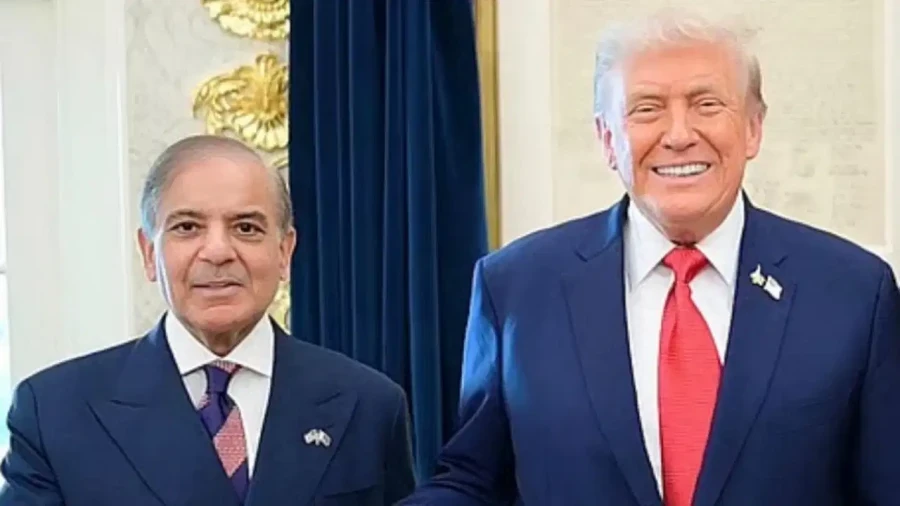
Pakistan Prime Minister Shehbaz Sharif, while addressing the United Nations General Assembly on Friday, brought the Kashmir issue to the forefront once again. During his approximately 23 minute long speech, Sharif credited United States President Donald Trump for his timely intervention in halting a potential conflict between India and Pakistan in 2025. This statement comes at a time when regional tensions have been high following military actions and counter-actions between the two nuclear-armed neighbors. Sharif emphasized that the intervention by the American leadership was crucial in maintaining the fragile peace in South Asia.
The 2025 Conflict and Operation Sindoor
The roots of the 2025 tension mentioned by Sharif trace back to a significant security incident in Pahalgam. On April 22, a terrorist attack in Pahalgam resulted in the tragic death of 26 civilians. In a swift and decisive response to this provocation, India launched Operation Sindoor during the midnight hours of May 6 and May 7 last year. This military operation specifically targeted terrorist infrastructure located within Pakistan and Pakistan-occupied Kashmir. The escalation had brought the two nations to the brink of a larger confrontation, which Sharif claims was averted due to international diplomacy. The Prime Minister noted that the situation could have spiraled out of control if not for the decisive actions taken by global leaders.
Trump's Role and Sharif's Gratitude
During his address, Shehbaz Sharif expressed his gratitude towards US President Donald Trump for what he described as determined and visionary leadership. Sharif claimed that Trump's timely intervention saved the lives of millions of people in South Asia. Interestingly, President Trump himself claimed in his address to the UN General Assembly this week that he had stopped a war between India and Pakistan. While Sharif was vocal in his praise, New Delhi has consistently maintained its position of denying any third-party intervention in its bilateral matters with Pakistan, while the Indian government has always advocated for resolving issues through bilateral frameworks without external mediation.
The Kashmir Issue and India's Stance
In his 23 minute address, Sharif insisted that a just and fair solution to the Kashmir issue is essential to ensure that South Asia never again faces a situation like the 2025 conflict. He repeatedly raised the Kashmir bogey on the international platform, a move that has become a staple of Pakistani addresses at the UN. However, India has repeatedly rejected Pakistan's claims regarding Kashmir at the UN General Assembly and other UN forums. India's stance remains firm and unwavering: the Union Territory of Jammu and Kashmir has been, is, and will always be an integral and inseparable part of India, while india has often advised Pakistan to focus on its internal issues rather than interfering in India's domestic affairs.
Indus Waters Treaty and Terrorism
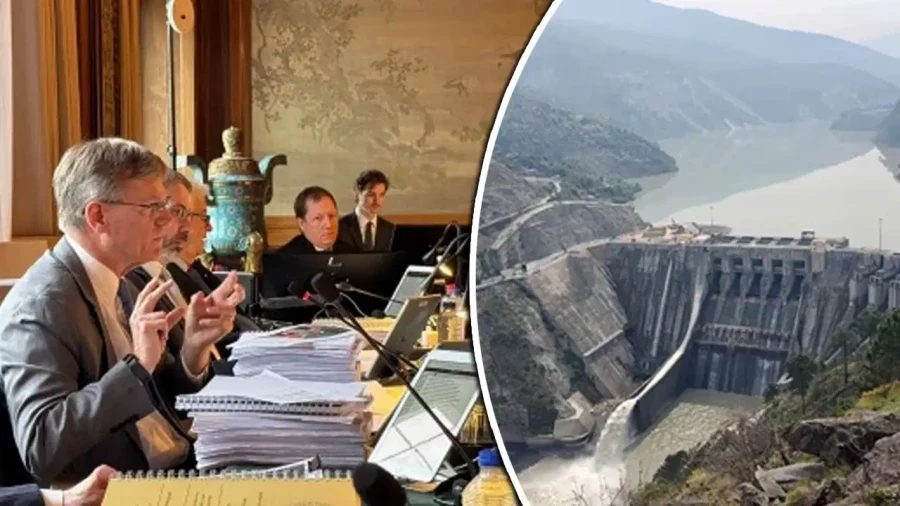
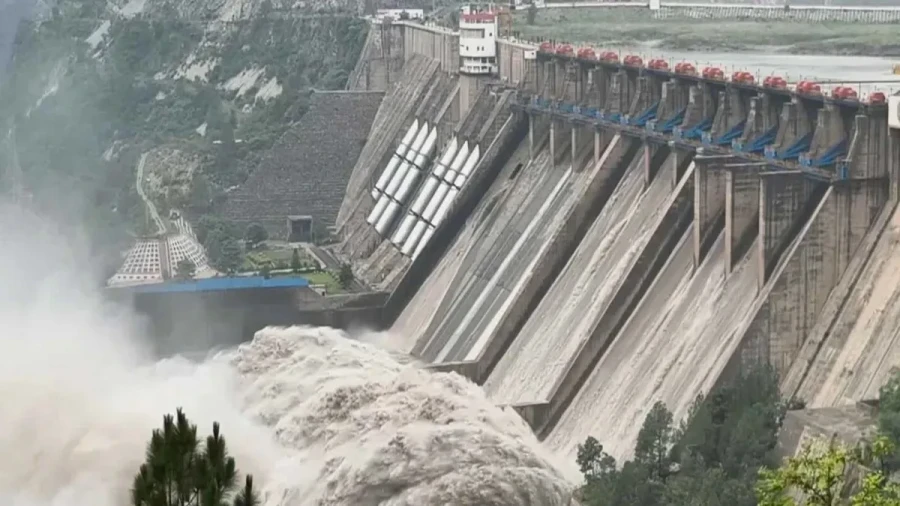
Sharif also made a reference to the Indus Waters Treaty (IWT) in his speech. This mention is significant because India has recently taken a tough diplomatic stance on the treaty. India has stated that the Indus Waters Treaty will remain suspended until Pakistan completely ends its support for cross-border terrorism and all other forms of terrorism. The decision to suspend the treaty was a diplomatic step taken by India immediately after the Pahalgam terrorist attack. India has linked the continuation of such treaties to a terror-free environment, emphasizing that blood and water can't flow together.
Diplomatic Efforts and Military Leadership
Beyond the immediate neighborhood, Sharif mentioned Pakistan's efforts to establish peace between the United States and Iran amidst the ongoing conflict in West Asia. He sought to project Pakistan as a mediator in global conflicts. On top of that, Sharif repeatedly thanked Pakistan's Army Chief, Field Marshal Asim Munir, during his address. He stated that Munir's continuous efforts played a pivotal role in creating a path for diplomacy under extremely difficult and challenging circumstances. This public acknowledgement of the military leadership highlights the internal power dynamics within Pakistan and the role of the army in its foreign policy and diplomatic maneuvers.
India's Right of Reply
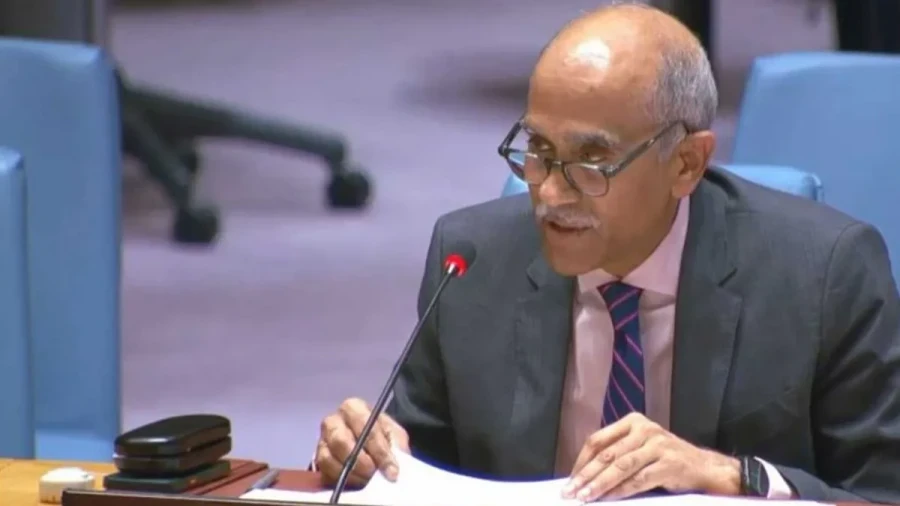
As per the established tradition at the United Nations, India is expected to exercise its Right of Reply to respond to the Pakistani leader's address. India typically sends one of its youngest diplomats stationed at its Permanent Mission to the UN to deliver a sharp and factual rebuttal to Pakistan's claims. The Indian response is expected to reiterate its position on terrorism, the status of Jammu and Kashmir, and the conditions required for any meaningful engagement between the two countries. The international community continues to watch the developments between these two nations closely, especially in the wake of the 2025 events described by the Pakistani Prime Minister.