
- India,
- 21-Nov-2026 08:55 AM IST



In a massive and devastating escalation following the attack on the Crimea Bridge, Russia launched a sweeping retaliatory offensive across multiple cities in Ukraine. During this large-scale military operation carried out late Friday night, Russian forces pounded Ukrainian territory with more than four hundred drones and over one hundred and ten missiles, while the ferocious barrage resulted in the tragic deaths of at least eight civilians while leaving more than two dozen individuals seriously injured. This intensive wave of aerial assaults has once again pushed regional tensions to a boiling point, causing widespread devastation to Ukraine's civilian infrastructure and urban centers.
According to official statements released by Ukrainian President Volodymyr Zelenskyy, the invading Russian forces utilized over four hundred drones and in excess of one hundred and ten missiles during the overnight raids. Among the launched projectiles were twenty-seven lethal ballistic missiles, which are known for their high destructive capability. Plus, intelligence reports indicated that some of the missiles were equipped with cluster munitions. These horrific cluster bombs are designed to detonate mid-air and scatter scores of smaller sub-munitions over an extensive geographical area, drastically amplifying the risk of massive civilian casualties and indiscriminate destruction.
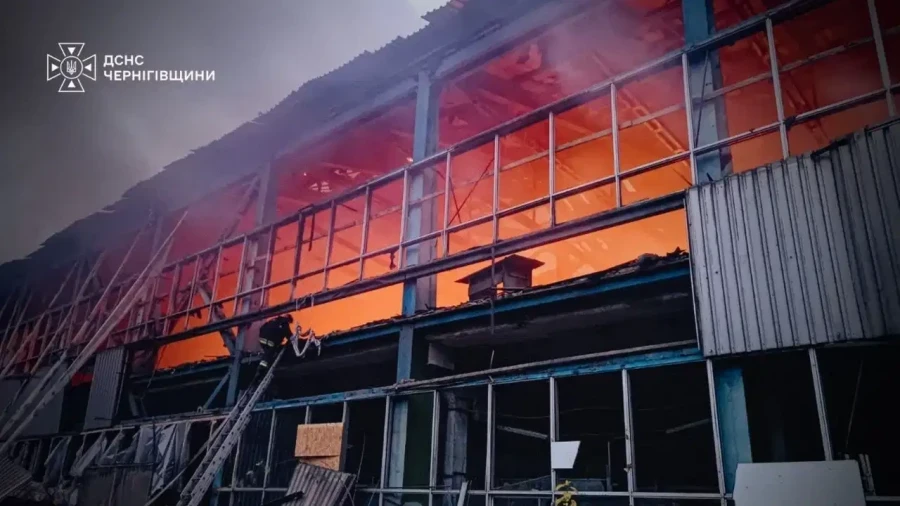
This relentless onslaught occurred just hours after an ominous warning issued by Russian President Vladimir Putin. President Putin had explicitly vowed to exact severe revenge for the recent Ukrainian attack on the strategic bridge linking the Crimean Peninsula to the Russian mainland, while the deadly Russian strikes claimed six lives in the capital city of Kyiv, while two additional people lost their lives at the Sknyliv railway station located in the western city of Lviv. The Russian military systematically targeted residential apartment buildings, medical facilities, large industrial warehouses, and crucial railway transportation hubs.
In the capital city of Kyiv, three vital bridges spanning the Dnieper River sustained significant structural damage due to the nearby impacts. These bridges serve as critical arteries connecting the two halves of the sprawling city, and the damage inflicted upon them has severely hampered transportation and emergency rescue operations. Meanwhile, the Russian Ministry of Defense asserted through an official statement that its armed forces targeted only facilities directly linked to the Ukrainian military infrastructure. According to Moscow, these targeted sites included a manufacturing facility for Flamingo missiles, a factory producing components for rocket fuel, and specialized drone production plants.
Severe Impact on Ukraine Power Infrastructure
The intense Russian bombardment inflicted catastrophic damage on Ukraine's national energy grid and power supply system. According to statements issued by Ukraine's Deputy Energy Minister Artem Nekrasov, relentless strikes targeted power generation plants, electrical sub-stations, and high-voltage transmission lines. As a direct consequence of these coordinated energy attacks, all three of Ukraine's currently operational nuclear power plants were forced to Notably curtail their electricity generation capacity. The severe drop in nuclear power output triggered emergency rolling blackouts across eleven different regions of the country, crippling daily life and essential services.
Amidst the escalating regional crisis, the military forces of neighboring Poland initiated a thorough investigation into a suspected airspace violation that occurred in the wake of the massive Russian missile strikes. Ukrainian Foreign Minister Andrii Sybiha voiced profound alarm over the unfolding situation, declaring that the extensive Russian bombardment poses a direct and grave threat to the security and stability of the entire European continent, while bordering nations remain on heightened alert as the fallout from the intense aerial campaign continues to reverberate across Eastern Europe.
Background of Ukraine Attack on Crimea Bridge
To fully understand the context of this massive retaliation, one must examine the motivations behind Ukraine's initial strike on the Crimea Bridge. The Crimea Bridge serves as a vital physical link connecting the Russian-occupied Crimean Peninsula to the Russian mainland. This monumental bridge functions as an indispensable supply line utilized by the Russian military to transport heavy weaponry, military equipment, and fresh troops directly into the active combat zones. Recognizing this immense strategic vulnerability, Ukrainian forces launched a targeted operation against the bridge earlier in the week.
According to disclosures made by Ukrainian defense officials, the strike on the bridge involved domestically manufactured attack drones and advanced missiles. Notably, this aggressive escalation unfolded precisely at a time when diplomatic negotiations were underway, facilitated by American mediation, aimed at finding a viable pathway to end the prolonged war between Russia and Ukraine. Despite ongoing diplomatic efforts and backchannel discussions, both nations have failed to reach any mutually acceptable consensus regarding the fundamental terms and conditions of a comprehensive peace agreement, keeping the specter of total war alive.