
- India,
- 05-Nov-2026 09:08 PM IST



The midterm elections in the United States have delivered the biggest political blow to Donald Trump in his second term. A wave of Democrats has completely shifted the balance of power in Washington. While Trump intended for these elections to be a personal referendum, the results have effectively rejected his presidential tenure, sparking an immediate battle over what comes after Trump.
Internal Split and Emerging Power Centers
Following this defeat, leaders within the Republican Party are forming factions to prepare for a post-Trump America. Although Trump will remain in the White House until January 2029 and can't seek a third term due to constitutional limits, the midterm results signal the beginning of the end for the political influence he once commanded. An atmosphere against Trump is building within his own party.
Shifting Stances of Vance and Cruz
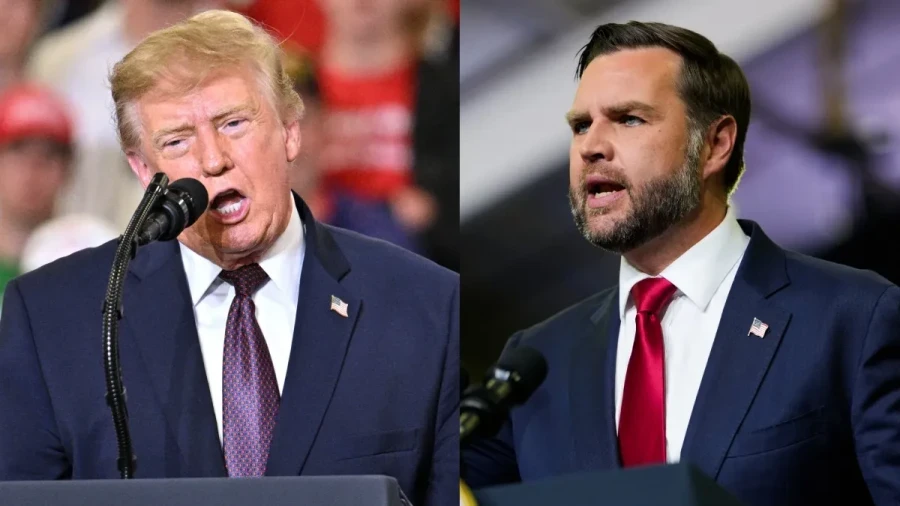
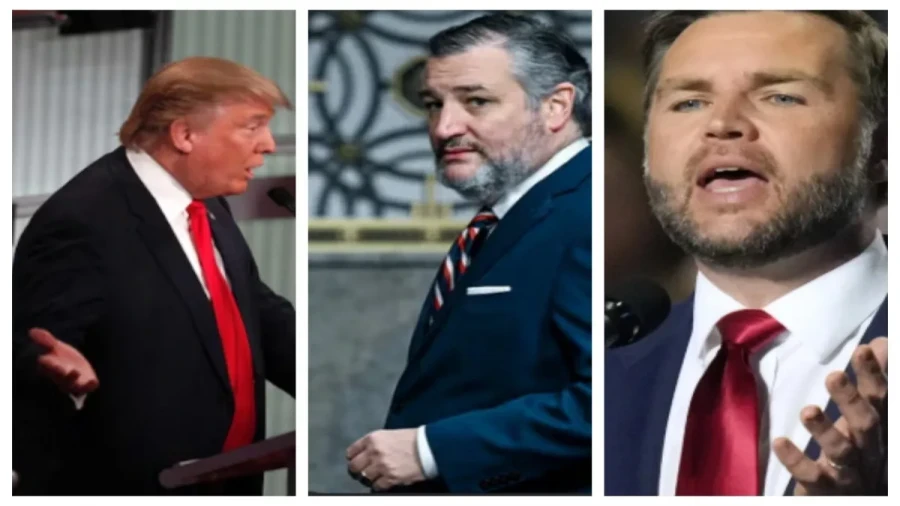
Leaders like Vice President JD Vance and Senator Ted Cruz have shifted their stances against him, while secretary of State Marco Rubio has emerged as a potential rival with a more traditional image. Other leaders, such as Ron DeSantis and Ted Cruz, are already positioning themselves in discussions regarding the post-Trump era. JD Vance, long seen as Trump's primary successor, now finds his position complicated due to his association with an unpopular administration and the party's historic defeat.
Meanwhile, Ted Cruz assessed the Republican loss as a blue tsunami and a Watergate-level rejection. In a lengthy address, the Texas Senator stated that the party didn't lose because supporters stayed home, but because voters who previously supported the party shifted to the Democrats. This defeat highlights the cracks within the Republican Party and the rise of new power centers that were suppressed under Trump's personal dominance for the past decade.
Trump's Reaction and Future Challenges
Trump immediately attempted to distance himself, writing on Truth Social that he wasn't on the ballot and would have won by a landslide if he were. This contradicts his earlier insistence that voters treat the midterms as a proxy battle for him. With a majority in both houses, Democrats now hold subpoena power and control over committees. They're in a position to block Trump's nominees and investigate administration policies, the Iran war, and family business dealings, while the biggest challenge for Trump will come from the political structure built around his movement. The 2026 blue wave has ended the era where the Republican Party operated solely on one person's will. For the remainder of his term, Donald Trump will likely remain a lame-duck president.