
- India,
- 27-Sep-2026 01:05 PM IST



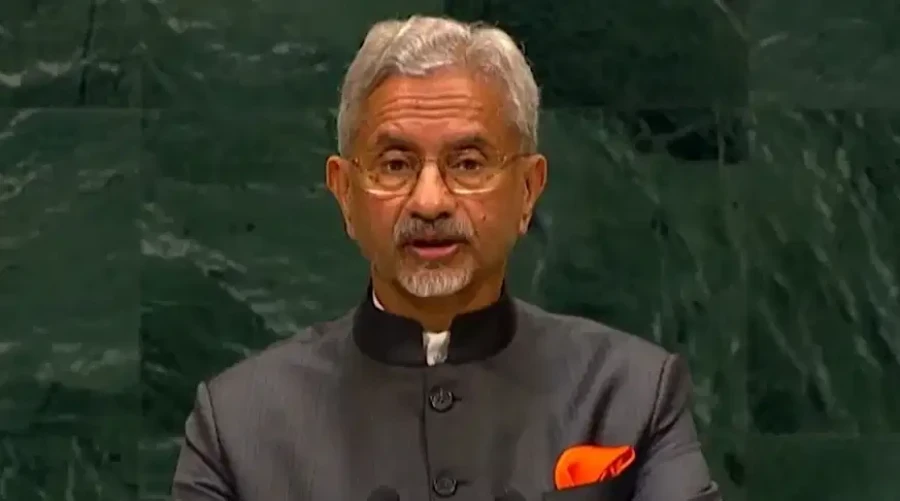
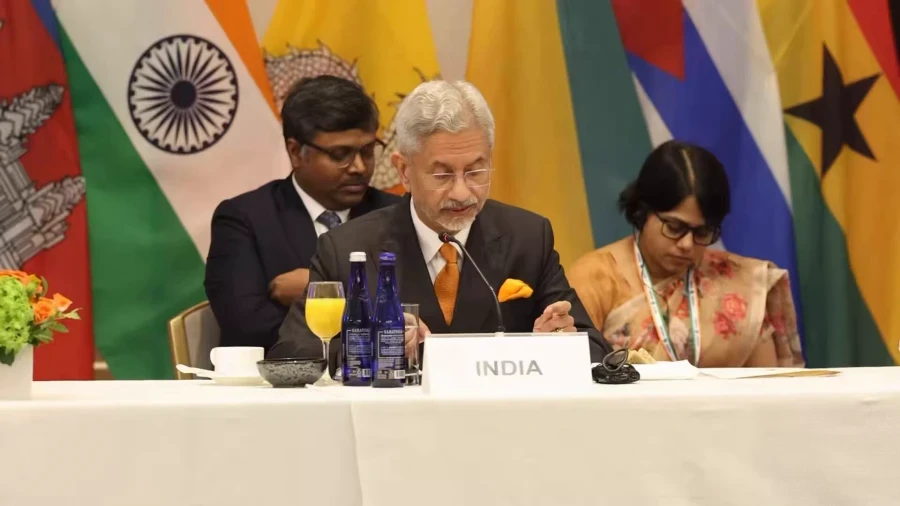
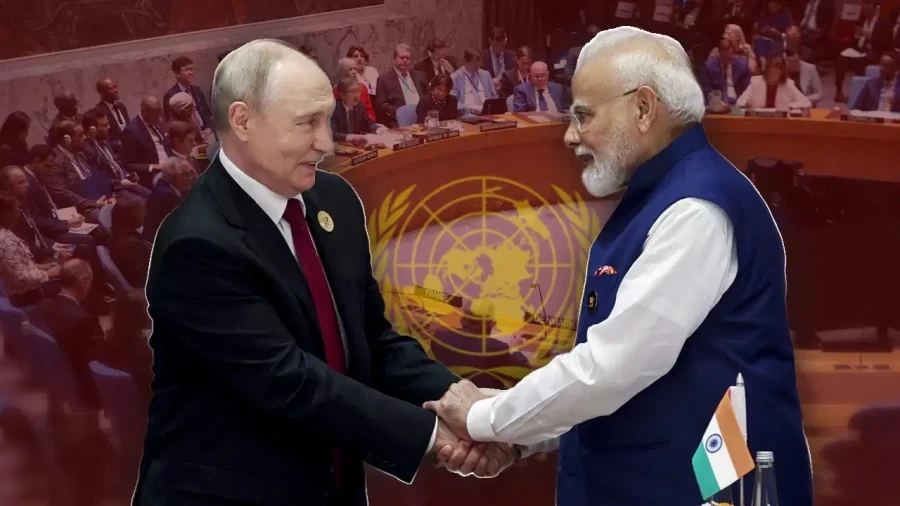
India's long-standing pursuit of a permanent seat at the United Nations Security Council (UNSC) has received a significant boost from Russia. During the 81st session of the United Nations General Assembly in New York, Russian Foreign Minister Sergey Lavrov formally voiced support for India's permanent membership. Lavrov emphasized that Russia supports the candidacies of both Brazil and India for permanent seats in the council, while he articulated a clear vision for the reform of the security body, stating that the representation of Asia, Africa, and Latin America must be increased to reflect the contemporary global landscape.
Russia's Strategic Support for the Global South
The Russian Federation's stance is rooted in the belief that the role of the Global South has grown substantially in international affairs. Consequently, Russia argues that this increased influence should be mirrored in the representation within the United Nations' most powerful security organ. While Russia is open to expanding the council to include developing nations, it has drawn a firm line against the inclusion of more Western countries. Sergey Lavrov specifically named Germany and Japan as nations whose permanent membership Russia opposes. He cited concerns that these countries are moving in the direction of militarism, which Russia views as a disqualifying factor for their permanent inclusion in the UNSC.
Preserving the Power of the P5
While advocating for reform, Russia has made it clear that the existing rights and powers of the current five permanent members must not be diluted. Russia has previously stated that any reform involving the addition of new permanent members must maintain the current veto system. This ensures that the foundational structure of the council remains intact even as it expands. India's bid has not only found favor with Russia but has also garnered support from other nations such as Mauritius and Portugal. Mauritius Foreign Minister Dhananjay Ramful expressed his country's support for India's permanent seat and backed the efforts of the G4 and L69 groups regarding security council reforms. Portugal has also aligned itself with the supporters of India's permanent membership.
The Historical Context of India's Demand
India's demand for a permanent seat in the UNSC isn't a recent development; it has been a consistent part of its foreign policy since the 1990s. In 2010, India intensified its efforts by forming the G4 group alongside Brazil, Germany, and Japan to collectively push for permanent membership. Also, India is part of the L69 group, which consists of more than 40 developing nations advocating for comprehensive council reform. Despite this broad support, the path to a permanent seat remains complex due to the structural requirements of the United Nations.
The Mechanism of Reform and the China Factor
Currently, the UNSC consists of 15 members, including 5 permanent members (China, France, Russia, the United Kingdom, and the United States) and 10 non-permanent members. The permanent members hold the crucial power of veto. The 10 non-permanent members are elected for two-year terms, and India has already served as a non-permanent member 8 times. To change the composition of the Security Council, the United Nations Charter must be amended. This process requires a two-thirds majority in the General Assembly and the approval of two-thirds of the member states. Most importantly, it requires the unanimous approval of all 5 current permanent members. This is where the challenge lies for India, as China continues to oppose India's permanent membership. While Russia's support is a vital diplomatic victory, achieving a formal reform requires a broader consensus that overcomes the hurdles posed by other permanent members like China.
BIG AT UNGA Russian Foreign Minister Sergey Lavrov backs India’s bid for a permanent seat on the UN Security Council. https://t.co/Qb3h4KgSvO
— Shadow IND (@ShadowIND_IN) September 26, 2026