
- India,
- 15-Nov-2026 07:19 PM IST



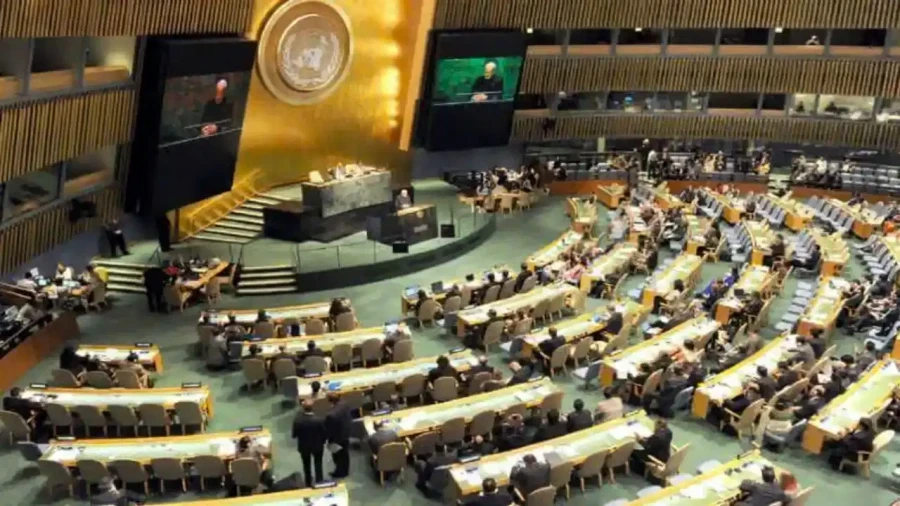
The United Nations General Assembly or UNGA has officially passed a major resolution calling for a moratorium on the use of the death penalty across the globe. During the crucial voting session held on Friday, November 13, a total of 133 countries cast their votes in favor of the resolution. However, 33 nations, including India, strongly opposed this move and voted against it. The newly passed resolution explicitly appeals to all global nations to restrict the utilization of capital punishment and take concrete steps toward its ultimate abolition. This diplomatic development has once again ignited intense global debate regarding capital punishment within international platforms.
Resolution was formally introduced by Mexico
A total of 193 member states of the United Nations General Assembly participated in the voting process on Friday regarding the moratorium on the death penalty resolution, which was originally introduced by Mexico. Following the completion of the voting procedure, it was revealed that 133 countries voted in favor of the resolution, 33 countries voted against it, while 16 nations abstained from voting entirely. Despite receiving strong opposition and facing numerous abstentions, the resolution successfully secured enough backing to pass through the assembly.
India and several other key nations opposed it
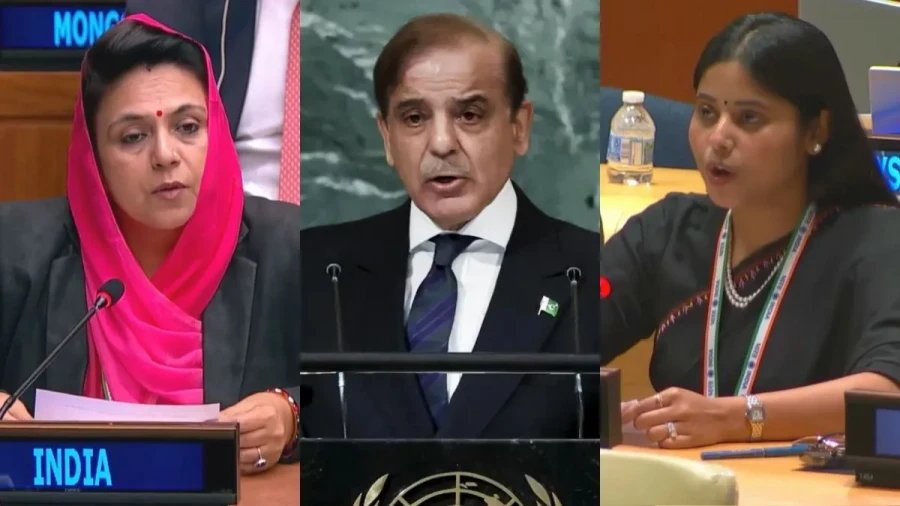
In the proposal presented by Mexico, all member states were strongly urged to place a moratorium on executions. The core objective behind this initiative was to progressively move toward the complete eradication of the death penalty worldwide. Apart from India, several prominent countries across the globe also registered their votes against the resolution. These opposing nations included Bahrain, China, Egypt, Iran, Iraq, Japan, Kuwait, Maldives, Oman, Pakistan, Qatar, Saudi Arabia, and the United States of America, all of which distanced themselves from the proposal by voting against it.
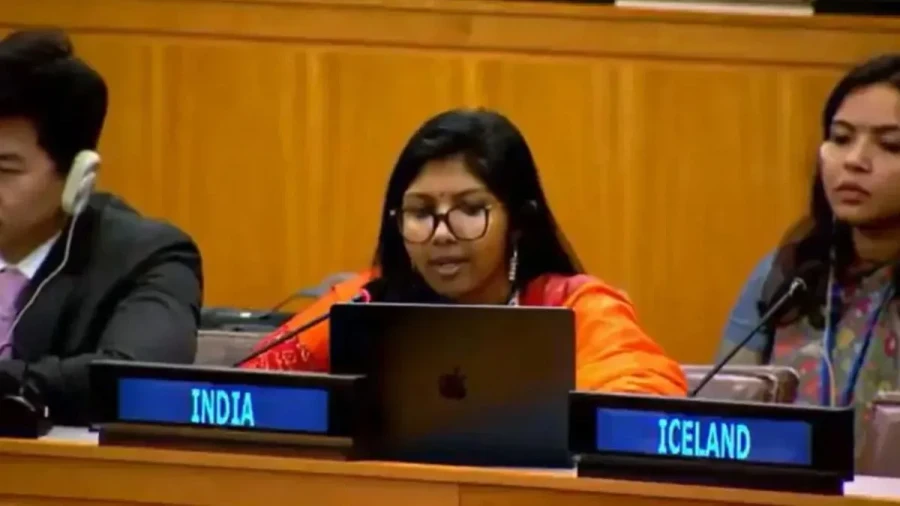
India articulated its firm and unambiguous stance at the United Nations platform, stating clearly that there is no international consensus regarding the abolition of the death penalty globally. India asserted that labeling capital punishment, which is awarded after completing due legal processes, as state-sponsored murder is entirely incorrect. Bhavika Manglanandan, First Secretary at India Permanent Mission to the UN, stated during her address that member states lack any unified global consensus on ending the death penalty. She emphasized that every sovereign nation possesses the inherent right to formulate its own domestic laws and determine appropriate punishments.
Bhavika Manglanandan statement and international law
Indian diplomat Bhavika Manglanandan further elaborated in her statement that international law explicitly permits the administration of capital punishment under specific and restricted conditions, while in India, this severe punishment is awarded only after strictly adhering to a fully transparent and rigorous legal process. That's why, she noted, characterizing it as state-sponsored killing is completely wrong and baseless. She also pointed out that certain entities attempt to project their personal subjective viewpoints as universal international law. India has consistently opposed similar resolutions in the past, specifically voting against them in the years 2016, 2018, and 2024.
Death penalty is an integral part of Indian law
Capital punishment remains an integral component of the legal framework within India, although it isn't handed down for every criminal offense. According to the established guidelines and rules of the Supreme Court of India, the death penalty can only be administered in the gravest of grave cases, commonly referred to as rarest of rare cases. India informed the United Nations that multiple levels of legal scrutiny and procedures are meticulously followed prior to carrying out any execution. Under Indian law, an accused individual is presumed innocent until proven guilty beyond reasonable doubt. When a lower court issues a death sentence, mandatory confirmation from higher judicial tiers such as the High Court and the Supreme Court is legally required. Also, courts thoroughly consider all mitigating circumstances before determining whether a sentence can be commuted.
Key highlights and appeals within the resolution
The United Nations resolution also outlined several other critical provisions and recommendations. The document stated that capital punishment must never be handed down to individuals who committed offenses while under the age of 18. Even in situations where the exact age of the offender at the time of the crime can't be conclusively determined, execution should still be strictly prohibited. On top of that, the resolution made strong appeals to exempt pregnant women, individuals with mental or intellectual disabilities, and elderly persons from the scope of the death penalty. The proposal also urged all countries to Notably reduce the total number of offenses punishable by death and called for the removal of legal rules that mandate mandatory death sentences for specific crimes.
Deep concern expressed over rising execution figures
The text of the resolution highlighted that despite a growing global trend toward limiting the use of the death penalty, recorded instances of executions actually witnessed an increase in the year 2025. Deep concern was formally expressed regarding this troubling upward trend. In concluding remarks, the resolution called upon all member nations to progressively restrict the application of capital punishment and move toward its eventual discontinuation, although India and various other nations registered strong dissent against these recommendations.