
- India,
- 15-Nov-2026 12:28 PM IST



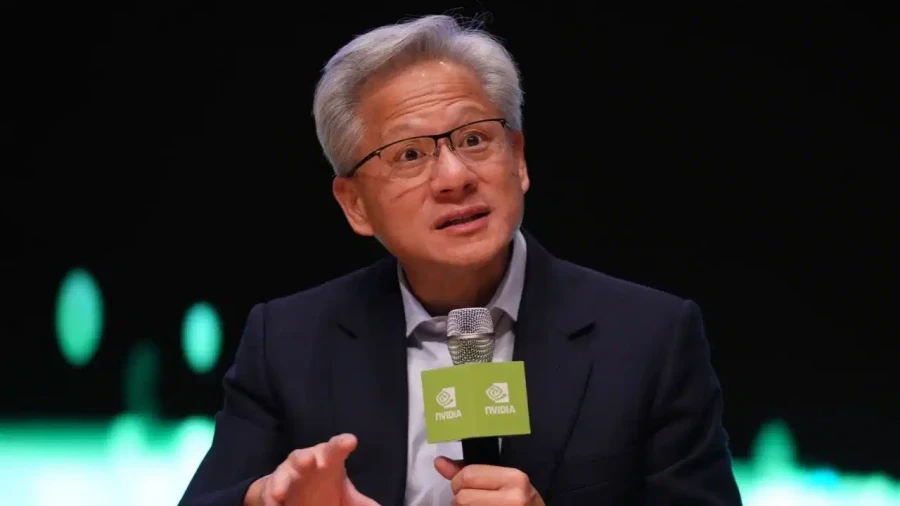
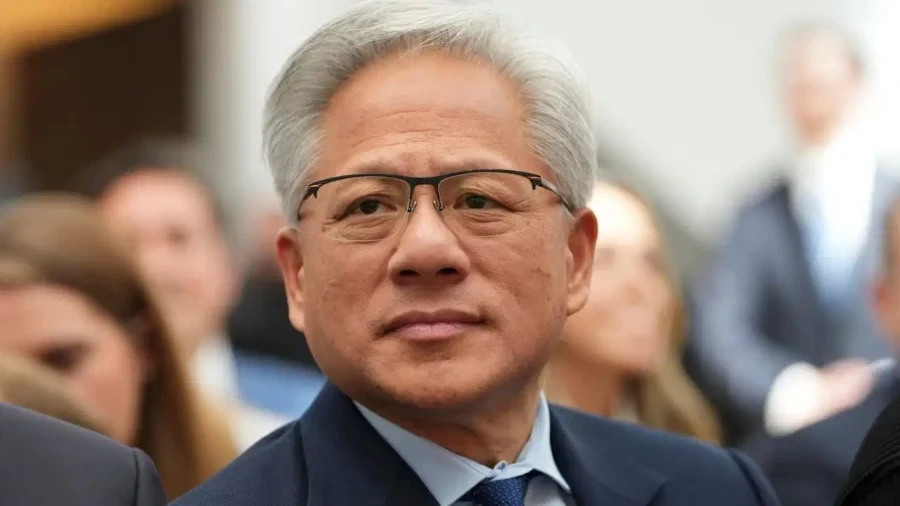
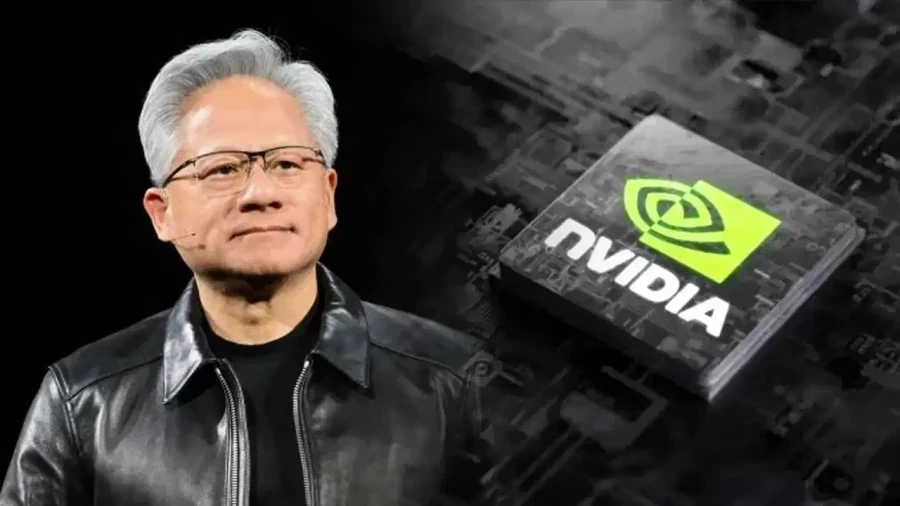
The race to gain supremacy in the world of Artificial Intelligence between the United States and China has now reached a fascinating and new turning point. Following the controversy involving Jensen Huang, the former Chief Executive Officer of the world's leading chip manufacturing company Nvidia, China's troubles are expected to increase Notably. The direct impact of this high-profile drama and geopolitical tension is clearly visible from the international tech world to global stock markets. Both superpowers are adopting their own methods to gain an edge in technology, but this new turn in the chip war has startled the tech community worldwide. On one hand, Nvidia's CEO had to step down from his post, while on the other hand, this controversy could directly impact China's ambitious artificial intelligence dreams.
This entire issue escalated when the US administration and parliament went into active mode amid Jensen Huang's alleged love affair and suspicions of Chinese espionage. Following these developments, demands to impose new and strict restrictions to completely halt the supply of advanced AI chips to China have intensified Notably within the US Congress. Lawmakers from both major political parties in the United States appear to be on the same page regarding this sensitive issue, while if these new rules and regulations are implemented in the near future, it will substantially increase troubles for those Chinese technology companies that rely heavily on American chips to build their cutting-edge AI models.
The controversy deepened further after the resignation of former Nvidia CEO Jensen Huang. It's worth noting that Jensen Huang has always advocated for maintaining the company's continuous access to the Chinese market. However, a major controversy recently came to public light regarding his alleged relationship with a Chinese businesswoman. US officials strongly suspect that this woman might have ties to espionage activities conducted on behalf of China. Although China has outrightly rejected these American allegations, political ripples continue to circulate strongly within Washington corridors.
Regarding the growing demand for strict measures against China in the US, House Speaker Mike Johnson made significant remarks. He stated that political consensus within the US Congress is growing rapidly in favor of limiting the supply of advanced chips to China. According to him, maintaining strict control over China's access to modern technology and AI has become extremely vital for American security. Defense and technology experts in the US suspect that China could enhance its military capabilities and modern warfare systems with the help of Nvidia's advanced chips. This is the primary reason why the US has already imposed various export restrictions on these sophisticated chips, while now, if new and stricter curbs are enforced, the technological rivalry between the two superpowers will escalate further.
These reports of impending restrictions and increased stringency against China in the US have heightened economic and technological tensions for the dragon. The impact of this geopolitical turbulence was promptly visible in the Chinese stock market. AI, a prominent Chinese company building modern AI models, suffered a steep decline of up to 12 percent. 4 percent. Not only that, but shares of leading Chinese data center-related companies such as Zhongji Innolight and Eoptolink Technology also tumbled by more than 8 percent. Stock market investors are deeply concerned that if the scope of US sanctions expands further, these Chinese firms could suffer massive financial damage to their businesses.
To make matters even more stringent, US lawmakers are aggressively advancing four new legislative bills to maintain absolute control over chip exports. These crucial bills prominently include the AI Overwatch Act and the Chip Security Act. Through these legislative measures, proposals have been included to increase congressional oversight on advanced chip exports and closely monitor the physical locations of modern processors worldwide. Also, under the Match Act, the US may urge its allied nations to completely halt the sale and repair-related services of chip-making machinery to China. Also, through the Remote Access Security Act, a solid plan is being formulated to prevent Chinese companies from renting foreign data centers to take advantage of Nvidia chips.
Amidst all these developments, the personal and professional troubles for former Nvidia CEO Jensen Huang show no signs of abating. According to Sunny Cheung, a notable analyst at the Jamestown Foundation, US lawmakers may subject him to intense questioning even after his resignation from the company. According to various media reports, Jensen Huang may be required to appear before a US congressional committee before November 26. Given these prevailing circumstances, it will be quite interesting to observe how strictly the United States curtails the supply of advanced chips to China in the coming days.