
- India,
- 14-Nov-2026 09:01 AM IST



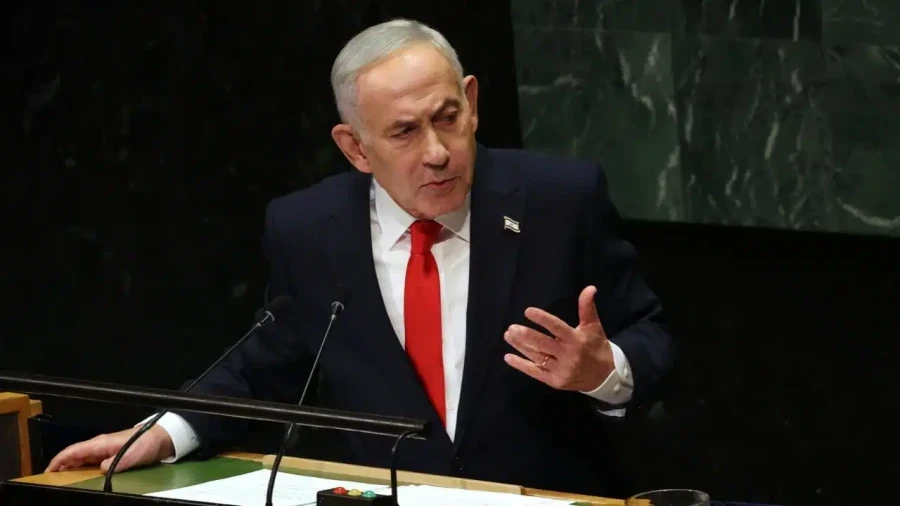
Geopolitical tensions and strategic divergences between Israel and the United States regarding Iran are escalating Notably, while israeli Prime Minister Benjamin Netanyahu is actively striving to convince the United States to launch a renewed military strike against Iran. However, US President Donald Trump is currently not in favor of taking such a drastic military step, while amidst this intense diplomatic tug-of-war, the head of Israel's premier intelligence agency Mossad, Roman Gofman, has arrived in the United States. He's scheduled to hold crucial meetings with several top and high-ranking officials of the American administration.
According to a detailed report published by Axios, Mossad Chief Roman Gofman is expected to meet with CIA Director John Ratcliffe in Washington during his current trip. Following this engagement, he's also reported to travel to Miami to hold bilateral discussions with Steve Witkoff, the special envoy of the White House. Roman Gofman is widely regarded within political circles as a very close confidant of Prime Minister Benjamin Netanyahu, while nonetheless, neither the Mossad, the CIA, nor the White House has officially confirmed any of these high-level and potentially secretive meetings.
Trump Favors Economic Pressure Over Direct Military Strikes
At the present juncture, US President Donald Trump prefers to maintain continuous economic pressure and a strict maritime blockade around Iran rather than engaging in any direct military offensive. Key nations in the Persian Gulf region, including Saudi Arabia, Qatar, and the United Arab Emirates, are openly supporting this calculated strategic approach. On the fifth of November, a telephone conversation took place between US President Donald Trump and Israeli Prime Minister Benjamin Netanyahu, where Iran was the primary focal point of discussion.
On Thursday, President Trump stated during a public address that if the United States truly wanted to, it could bring the ongoing conflict to an immediate end, but the administration prefers to proceed gradually and with caution. He further revealed that Saudi Arabia had made a formal appeal to maintain the existing situation in the region for some time. Nations such as Qatar, Kuwait, the United Arab Emirates, and Bahrain also prefer to adopt a wait-and-watch approach rather than rushing into any decisions, while according to a report by the Financial Times, Prime Minister Netanyahu has been calling Trump on a daily basis to persuade him to authorize a new military strike against Iran.
Domestic Political Crisis and Threats to Netanyahu's Rule
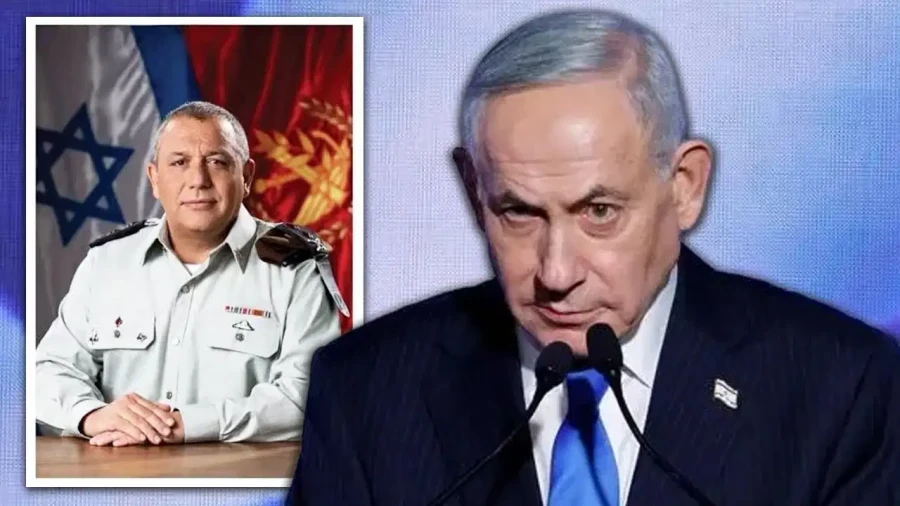
Alongside international diplomatic maneuvers, Prime Minister Benjamin Netanyahu is facing a profound political crisis regarding his grip on power within Israel itself. Following the general elections held on the twenty-seventh of October, Netanyahu has officially lost his working parliamentary majority in the Knesset. The responsibility of forming a new government has been handed over to his political rival and opposition figure Gadi Eisenkot. However, gathering the required majority numbers in parliament is proving to be a formidable and challenging task for Eisenkot.
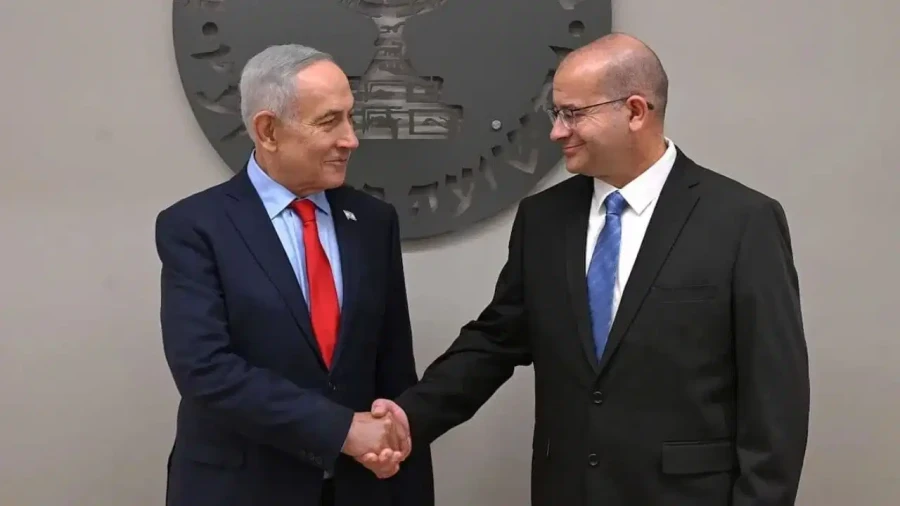
The Israeli opposition harbors deep apprehensions that Prime Minister Netanyahu might launch a sudden military strike against Iran, or deliberately provoke Iran into attacking Israel, solely to derail the formation of a new government. On Thursday, Netanyahu held a two-hour closed-door meeting with Gadi Eisenkot to brief him thoroughly on the prevailing situation regarding Iran. According to close sources within Eisenkot's camp, he currently doesn't consider any military aggression against Iran to be necessary.
Widening Diplomatic Distances at Home and Abroad
On Friday, Gadi Eisenkot made it clear that he will closely monitor all decisions and actions taken by Prime Minister Netanyahu throughout the entire government transition process, while he emphasized that Israel's national security must never be exploited or utilized for personal or partisan political gains. Meanwhile, the diplomatic distance and friction between the leadership of the United States and Israel have visibly expanded.
According to reports from Israeli media outlets, a recent telephone conversation between the two leaders was marked by intense tension and friction. However, the office of Prime Minister Netanyahu categorically rejected and dismissed these claims as incorrect, while following a meeting with Qatari Prime Minister Sheikh Mohammed bin Abdulrahman, US President Donald Trump had noted positive and favorable progress in ongoing discussions with Iran.
Current estimates indicate that Prime Minister Netanyahu's political coalition in the Israeli parliament is projected to secure only fifty-three seats out of a total of one hundred and twenty, whereas a minimum threshold of sixty-one seats is strictly required to form a governing majority. Conversely, in the United States, the ruling Republican Party has lost its legislative control over the parliament following the midterm elections. Consequently, the ongoing visit of Mossad Chief Roman Gofman to the United States will serve as a definitive test of how successfully Netanyahu can persuade President Trump to commit to another military strike.