
- India,
- 14-Nov-2026 04:45 PM IST



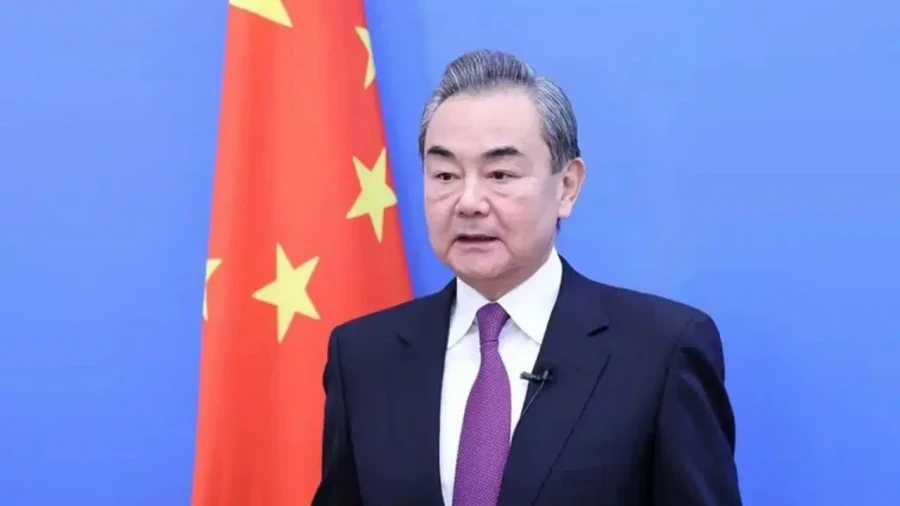
Amidst ongoing diplomatic tensions, serious espionage allegations, and intense cutting-edge technological competition between the United States and China, a significant diplomatic initiative has emerged from Beijing, while chinese Foreign Minister Wang Yi held a high-level meeting with US representatives attending the two thousand twenty-six US-China political dialogue in Beijing. The primary objective of this crucial meeting was to manage the deteriorating relations between the two global superpowers, avert any major conflict, and keep the channels of mutual communication open. Over recent days, a deep environment of distrust has developed between these two largest economies in the world, and China views diplomatic dialogue as the most effective instrument to resolve these mounting issues.
During the discussions with US representatives, Chinese Foreign Minister Wang Yi placed special emphasis on the absolute necessity for the world's two major powers to maintain continuous dialogue and communication. He clearly stated that both nations must articulate their shared goals with complete clarity and aggressively expand cooperation in areas of mutual interest. Wang Yi also highlighted that both countries must advance their bilateral relations strictly based on the foundational principles of mutual respect, peaceful coexistence, and win-win cooperation. He stressed that ignoring these fundamental principles could pose severe threats to global stability and economic prosperity.
This important diplomatic encounter took place at a highly sensitive juncture when a fresh controversy regarding espionage allegations linked to NVIDIA has taken center stage in international discussions. On the American side, various serious questions have been raised concerning alleged intelligence ties involving Chinese businesswoman Alice Huang and cases connected to Jensen Huang, the chief executive officer of prominent technology firm NVIDIA, while these American claims and emerging questions have further deepened the chasm of technological and commercial distrust between the two nations, pushing tensions surrounding the artificial intelligence and advanced chip market to unprecedented heights.
Conversely, China has categorically rejected all these espionage allegations leveled by the United States, launching a counter-offensive accusing Washington of deliberately trying to defame China on the global stage and concocting spy stories merely to justify its unilateral technological restrictions. Chinese Foreign Ministry spokesperson Mao Ning also recently demanded in strong terms that the United States immediately cease making such baseless and unwarranted accusations, as they severely undermine the fragile mutual trust between the two countries.
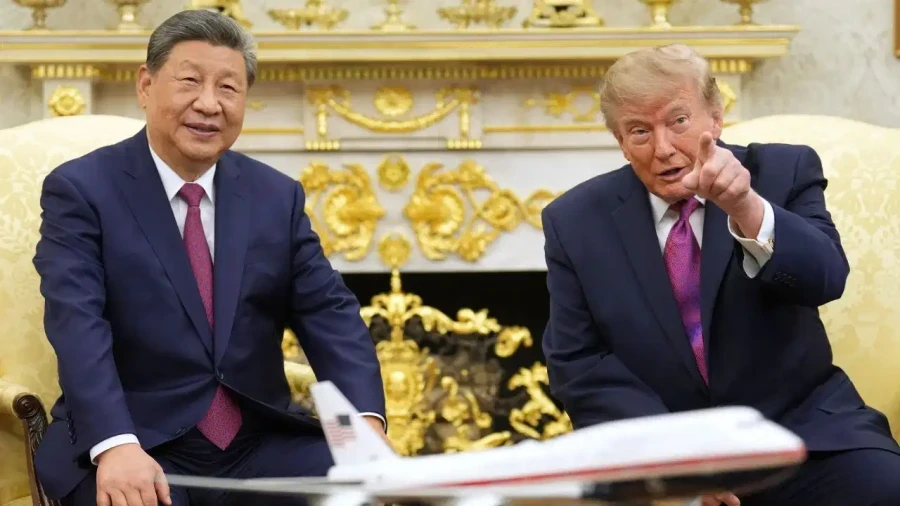
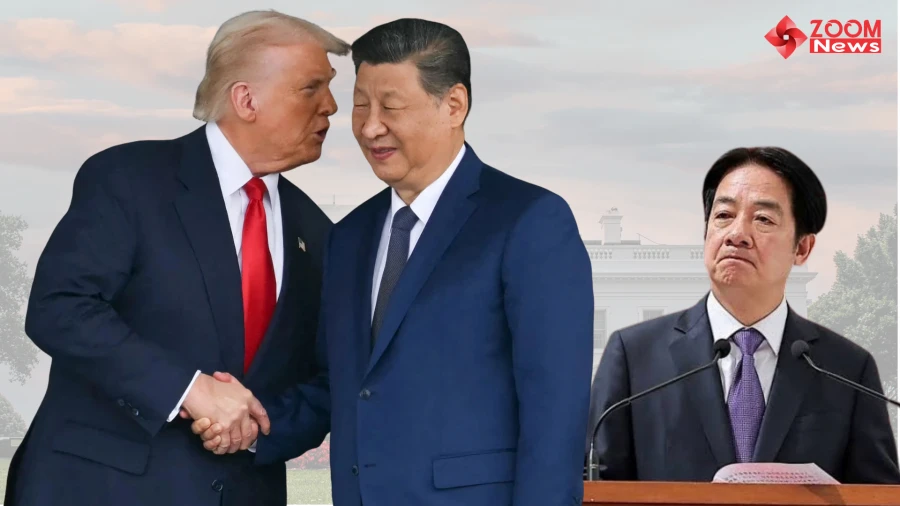
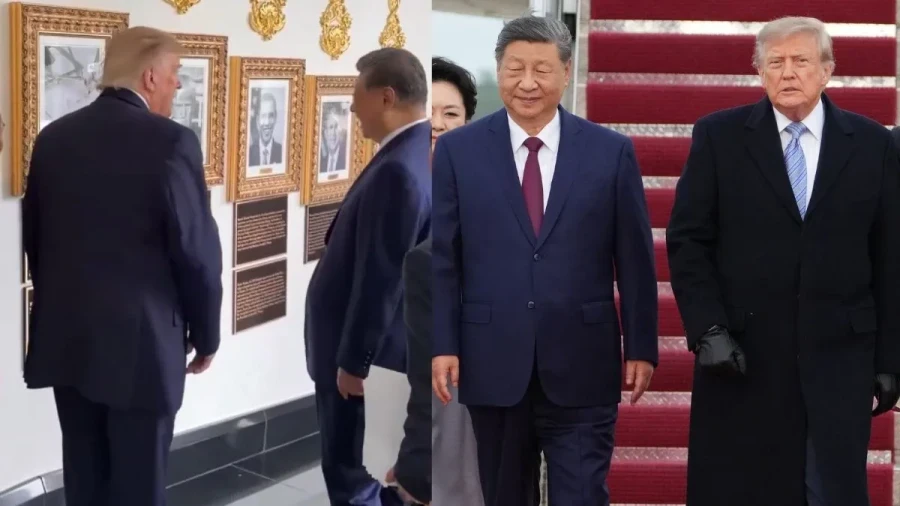
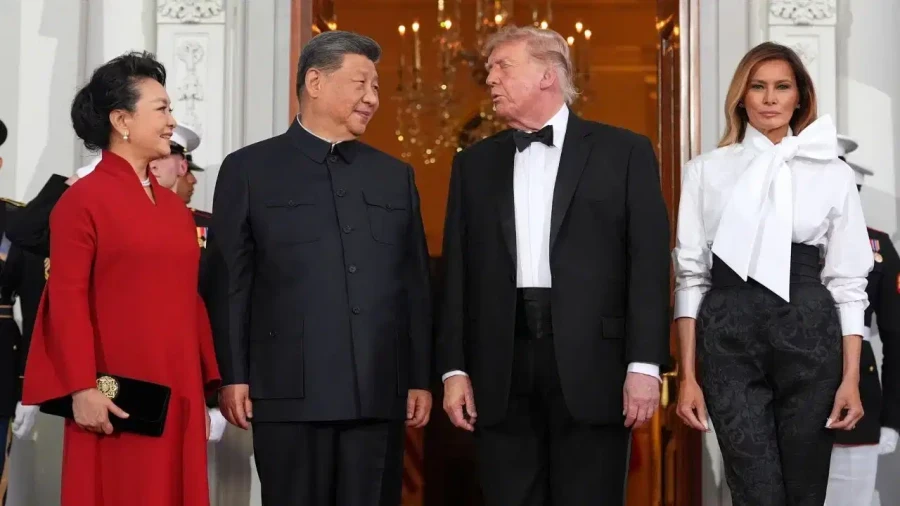
Against this backdrop of diplomatic friction and strategic maneuvering, Foreign Minister Wang Yi reminded the US representatives of the crucial consensus previously reached between Chinese President Xi Jinping and US President Donald Trump. Wang Yi underscored that the time has come to translate that consensus into tangible reality on the ground, which envisioned establishing constructive strategic stability grounded in mutual respect, fairness, and absolute equality between the two superpowers.
During the meeting, while China emphasized strategic stability, the US representatives similarly highlighted the critical importance of enhancing people-to-people connectivity, placing special emphasis on youth and student exchanges between the two nations. The American delegates warmly appreciated Chinese President Xi Jinping's major initiative inviting one hundred thousand American youths to visit China over a five-year period to bridge cultural and educational gaps between the future generations of both societies.
In summation, through Foreign Minister Wang Yi's meeting with the US representatives, Beijing has delivered a clear and positive signal to the international community. China has demonstrated that despite fierce technological competition over AI chips and the ongoing barrage of mutual espionage accusations, Beijing remains fully committed to keeping the pathways of dialogue and cooperation open with the United States. This engagement could serve as a milestone in determining the future trajectory of bilateral relations, provided both sides exercise requisite diplomatic maturity.