
- India,
- 25-Sep-2026 05:35 PM IST



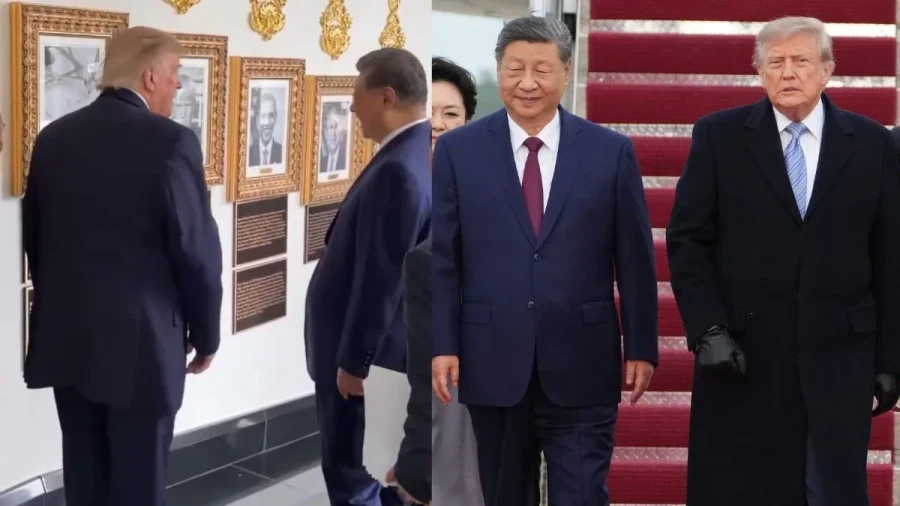
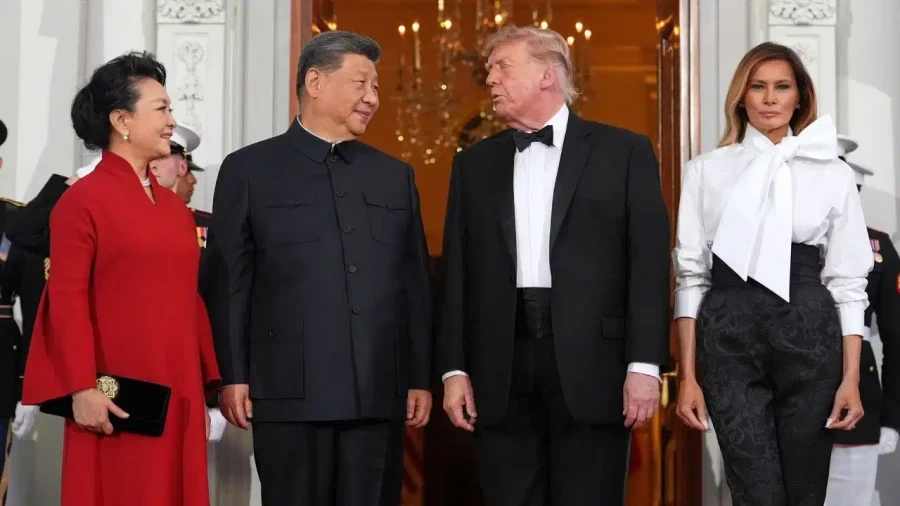
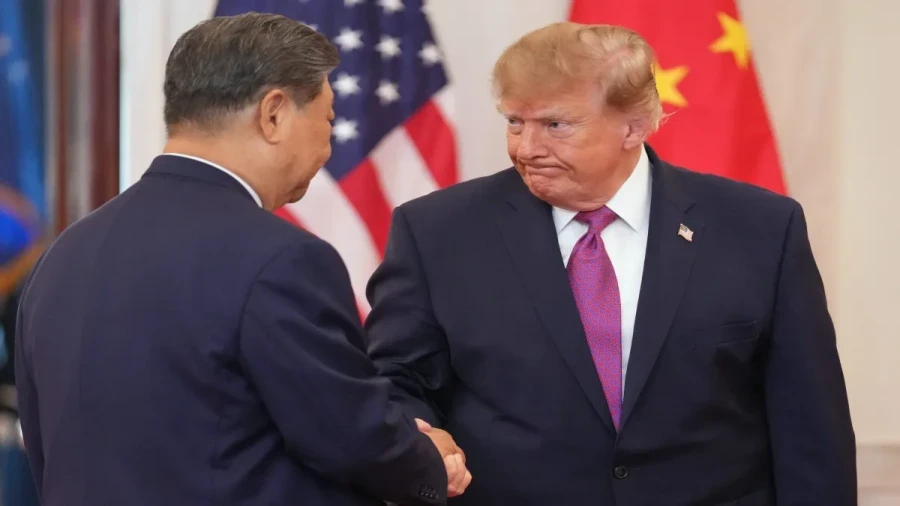
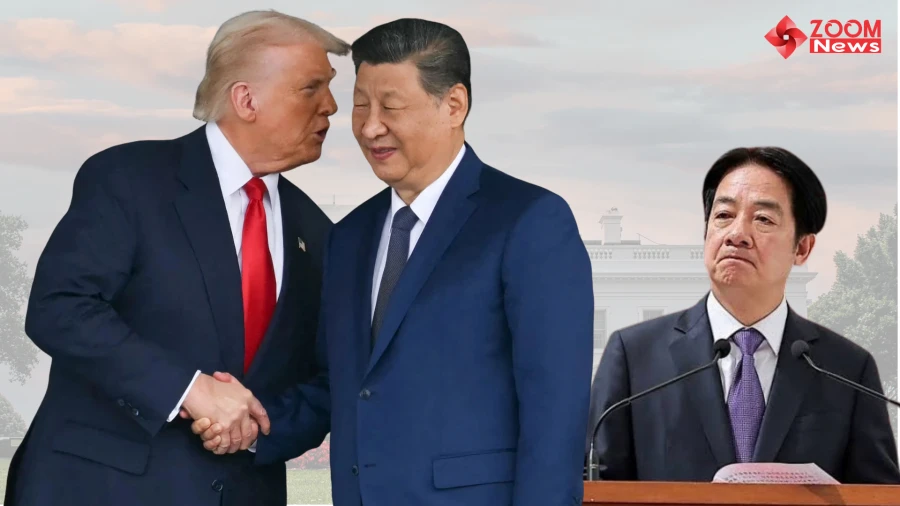
Chinese President Xi Jinping is currently on a significant diplomatic visit to the United States, a move that has drawn global attention toward the complex dynamics between the world two largest economies. During a high level meeting held as part of this visit, President Xi made a direct and pointed appeal to the American President. He urged the United States to formally oppose the independence of Taiwan and to provide steadfast support for the One China Policy. This appeal comes at a time when the relationship between Beijing and Washington is heavily influenced by the long standing American practice of providing military hardware and indirect security assurances to Taiwan, a practice that has consistently drawn the ire of the Chinese leadership.
The Core of the Conflict: Sovereignty and Arms Sales
The decision by the United States to supply weapons to Taiwan remains a central pillar of the ongoing tension between China and the US. President Xi Jinping maintains a firm stance that Taiwan is an inseparable part of Chinese territory. From Beijing perspective, the issue of Taiwan isn't merely about a small island but is a fundamental question of national sovereignty and territorial integrity. China argues that American military aid provides Taiwan with the confidence to resist unification and maintain a separate political identity, thereby escalating regional tensions. Conversely, the United States views its support for Taiwan as a critical component of its regional strategy, aimed at maintaining security, democracy, and stability in the Asia Pacific region.
The American Stance and the Taiwan Relations Act
The United States maintains a nuanced and complex position regarding Taiwan. While Washington doesn't officially recognize Taiwan as an independent sovereign state and maintains formal diplomatic ties with the People Republic of China, it continues to foster solid unofficial relations with Taipei. The foundation of this policy is rooted in the Taiwan Relations Act, along with several historical agreements and assurances. Under this framework, the US is committed to helping Taiwan maintain a sufficient self defense capability. Washington frequently emphasizes that peace and stability in the Taiwan Strait must be preserved and expresses opposition to any unilateral changes to the status quo. However, the US has historically maintained a policy of strategic ambiguity, not explicitly clarifying whether it would deploy its own military forces to defend Taiwan in the event of a Chinese attack.
Strategic Importance and the Global Semiconductor Industry
Taiwan geographical location makes it a vital strategic asset in the Western Pacific. Situated near major maritime routes in East Asia, the stability of the Taiwan Strait is essential for international trade. The interests of the US, China, and their regional partners converge in this area, meaning any conflict could have devastating global consequences. Beyond geography, Taiwan role in the global economy is indispensable, particularly in the technology sector. The island is a world leader in the production of advanced electronic components and semiconductor chips. A conflict in the region would disrupt global supply chains and impact the technological infrastructure of the entire world, while this economic significance adds another layer of complexity to the US Taiwan relationship, as many nations continue to trade with Taiwan despite lacking formal diplomatic recognition.
Diplomatic Recognition and Global Trade Relations
As of May 2026, Taiwan maintains formal diplomatic relations with 12 sovereign states. These include Belize, Guatemala, Paraguay, Haiti, Saint Kitts and Nevis, Saint Lucia, and Saint Vincent and the Grenadines in Latin America and the Caribbean. In the Pacific region, its allies include the Marshall Islands, Palau, and Tuvalu, while in Africa, Eswatini maintains ties, and in Europe, the Vatican recognizes Taiwan. While major powers like the United States, Japan, India, the United Kingdom, France, Germany, Canada, and Australia don't grant formal recognition, they maintain significant unofficial ties through representative offices such as the American Institute in Taiwan and the Taipei Economic and Cultural Center in India. Plus, Taiwan is a major trading power, with key partners including China, the US, Japan, South Korea, India, Singapore, Vietnam, and Malaysia. 5 billion US dollars in 2025, reflecting the growing economic cooperation despite the absence of formal diplomatic status.
The Future of US China Rivalry over Taiwan
The question remains whether the United States will heed President Xi appeal to cease arms sales. China often cites the 1982 US China Joint Communique, interpreting it as a commitment by Washington to gradually reduce and eventually terminate arms sales to Taiwan. However, the US interpretation links the reduction of arms sales to a peaceful resolution of the Taiwan issue by China. As both superpowers navigate this sensitive landscape, the potential for competition remains high. While China remains committed to its goal of national unification, the US continues its policy of supporting Taiwan self defense. The future of this rivalry will depend on whether both nations can manage the Taiwan issue through dialogue and restraint or if it will become a definitive point of confrontation.