
- India,
- 28-Sep-2026 01:34 PM IST



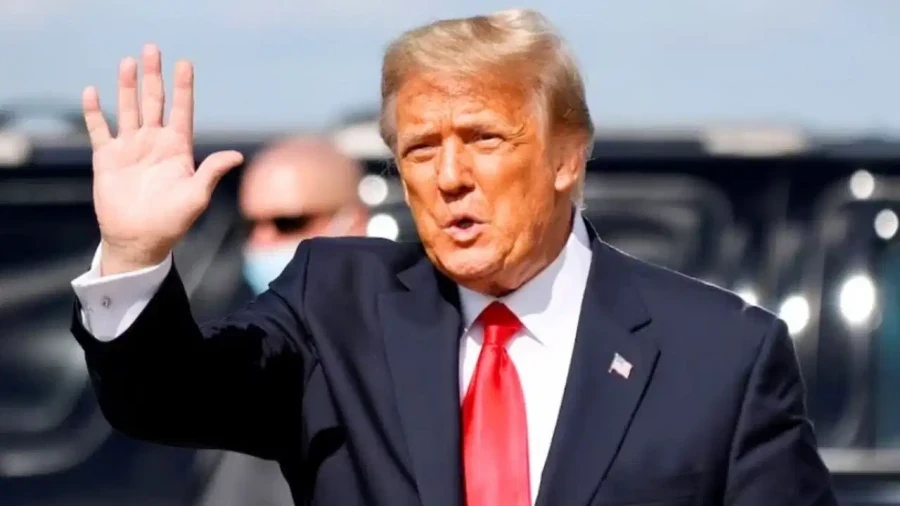
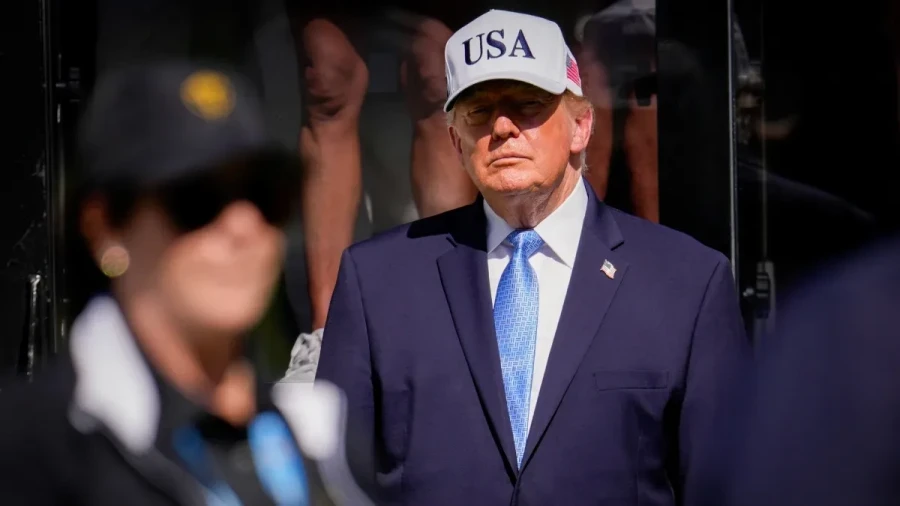
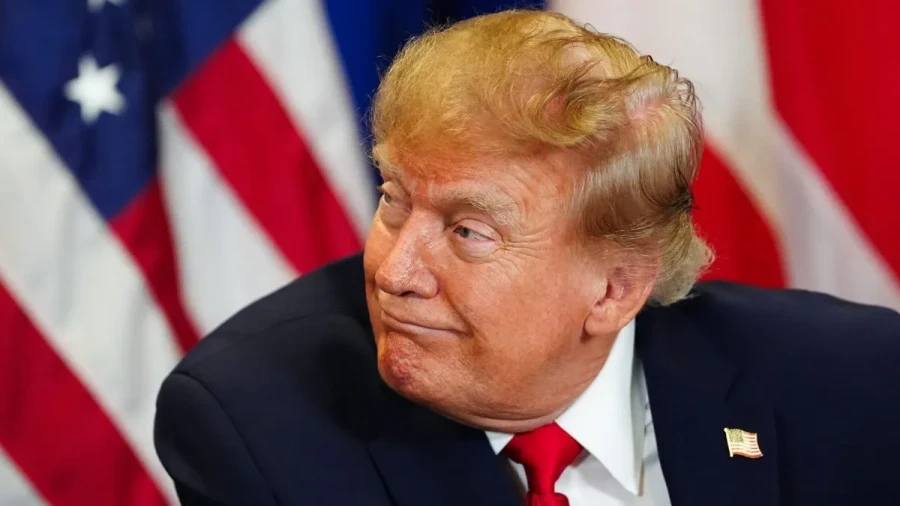
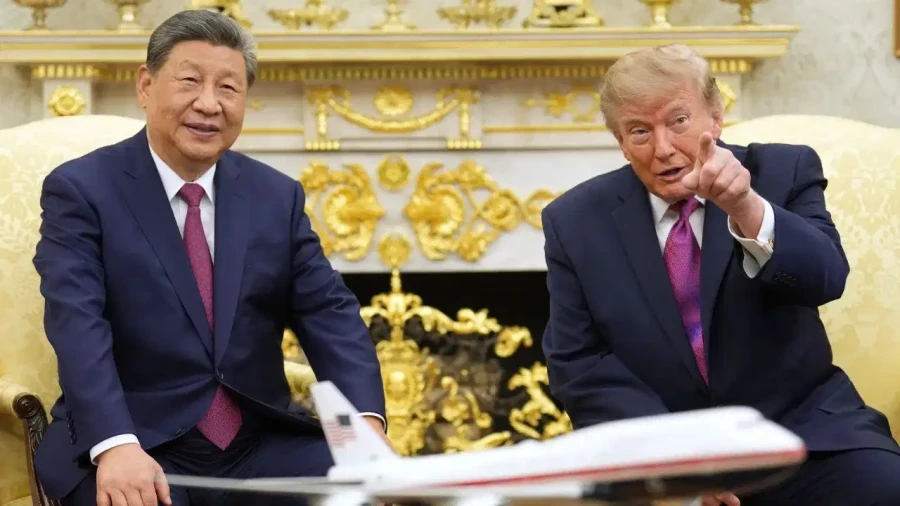
In a development that has sent ripples through international diplomatic circles, the United States Ambassador to China, David Perdue, has revealed a startling conversation between President Donald Trump and Chinese President Xi Jinping. According to Ambassador Perdue, President Trump directly asked President Xi Jinping whether China would be interested in purchasing American-made weaponry. This revelation comes at a time of heightened sensitivity regarding the geopolitical status of Taiwan and the long-standing military relationship between Washington and Taipei.
The Context of the Proposal
Ambassador David Perdue shared these details while discussing the complexities of the US-China relationship, particularly concerning the sale of arms to Taiwan. While the Ambassador didn't provide a specific timeline or date for when this question was posed, the context suggests it occurred during high-level discussions where the topic of Taiwan's defense was a central theme. China has consistently and vehemently opposed any American military support for Taiwan, as Beijing considers the island to be an integral part of its territory and has never ruled out the use of force to achieve reunification.
During the conversation, President Trump reportedly sought to explain the rationale behind selling weapons to Taiwan. He pointed out that the United States is a global leader in defense manufacturing and sells its military hardware to numerous countries across the world. It was within this framework of explaining American trade and defense exports that Trump extended the inquiry to Xi Jinping, asking if China itself would like to become a customer of American military technology.
Potential Policy Shifts and Security Concerns
The prospect of China purchasing American weapons would represent a monumental shift in the United States' decades-old China-Taiwan policy. For years, the US has maintained a delicate balance, providing Taiwan with the means to defend itself while officially recognizing the One China policy. If such a sale were to ever materialize, it would raise significant concerns regarding the transfer of sensitive American military technology to a strategic competitor. Analysts and officials would likely worry about how such technology could be reverse-engineered or used to enhance China's own domestic military capabilities.
Congressional Scrutiny and Delivery Delays
Back in Washington, the revelation has added another layer to the ongoing debate among American lawmakers. Several members of Congress have raised sharp questions regarding the delivery of weapons to Taiwan. There have been reports of significant delays in fulfilling existing orders for the island's defense. Some lawmakers have expressed concern that the Trump administration might be intentionally slowing down these deliveries as a tactical move to appease President Xi Jinping or to gain use in broader trade negotiations.
However, Ambassador Perdue has firmly denied these allegations. He emphasized that President Trump maintains an exceptionally strong and firm stance regarding Taiwan, while perdue noted that under the current administration, the United States has already sold a substantial amount of weaponry to Taiwan. He further indicated that the dialogue between Trump and Xi regarding the sale of American arms to Taiwan is an ongoing process and will likely continue in future engagements.
Legal Obligations and Strategic Ambiguity
The legal framework for these actions is rooted in American law, which mandates that the United States must provide Taiwan with the necessary means for its self-defense. While the US doesn't officially recognize Taiwan as an independent sovereign nation, it remains the island's most significant unofficial supporter and its primary supplier of military equipment. Despite this support, the United States has traditionally maintained a policy of strategic ambiguity regarding whether it would intervene directly with its own military forces in the event of a Chinese attack on Taiwan.
The 14 Billion Dollar Package and Recent Meetings
The tension over arms sales was particularly evident following a meeting between Trump and Xi in May. Following that encounter, the United States paused a record-breaking 14 billion dollar arms package intended for Taiwan. President Trump described this pause as a strategic move, viewing it as a powerful tool for negotiation and a way to secure a very good deal with China, while this issue was revisited just last week during a meeting between the two leaders at the White House. According to Chinese state media reports, President Xi Jinping used the opportunity to urge President Trump to actively oppose Taiwan's independence, further highlighting the central role this issue plays in the bilateral relationship.