
- India,
- 12-Nov-2026 03:36 PM IST



Protests against expensive housing, soaring rental prices, and the rising cost of everyday goods have taken a violent turn in Spain. In the city of Barcelona, demonstrators resorted to setting fires on streets and shattering shop windows, which swiftly escalated into intense clashes between the police and protestors. Law enforcement personnel had to deploy force to bring the unruly crowds under control. This widespread civil unrest unfolded during the very first nationwide strike witnessed in the country after a span of 14 years, creating a tense atmosphere across the entire nation.
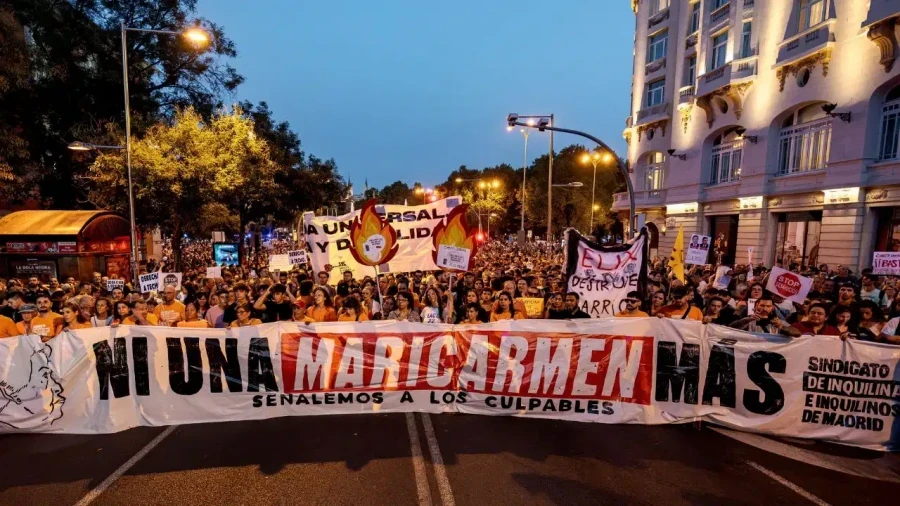
Two of Spain's major labor unions, namely UGT and CCOO, had extended their formal support to this nationwide strike. According to official figures released by the labor unions, approximately 4 million employees chose to shut down their work completely in solidarity. This massive workforce participation represents nearly one-fifth of the total employed population in the country. Large numbers of citizens poured onto the streets in major urban centers including Madrid and Barcelona. Organizers of the protest in Barcelona claimed that roughly 400 thousand people participated in the march, whereas local administrative reports estimated the turnout to be around 55 thousand individuals.
While the demonstrations began on a peaceful note, the situation deteriorated rapidly after the conclusion of the main rally, when a group of masked individuals instigated widespread violence. These instigators set fire to garbage bins and various items left on the streets, shattered glass storefronts, and hurled fireworks directly at police officers. Barcelona Mayor Jaume Collboni stated that during the course of the violence, roughly 50 people were taken into custody and detained, while approximately 10 commercial shops suffered significant property damage. To extinguish the fires and restore order, nearly 100 firefighters were deployed to the affected areas. Similarly, in Madrid, police forces used tear gas, pepper spray, and foam projectiles to disperse aggressive demonstrators. By nightfall, at least 73 individuals had been arrested across the nation in connection with various incidents tied to the strike.
The underlying grievances driving people onto the streets stem from severe housing shortages and skyrocketing rents that have left citizens in distress. Currently, Spain faces a deficit of approximately 750 thousand homes, and industry projections estimate that this shortage could swell to over 1 million homes by the year 2028. The average monthly rent for a standard home in Spain stands at 1176 euros. 7 percent of the average monthly earnings of young workers, meaning that almost their entire income is swallowed up just to pay rent. This major protest erupted less than three weeks ahead of the upcoming general elections scheduled for November 29. Consequently, persistent inflation and the acute housing shortage are poised to become central political issues in the electoral battle.