
- India,
- 25-Sep-2026 12:18 PM IST



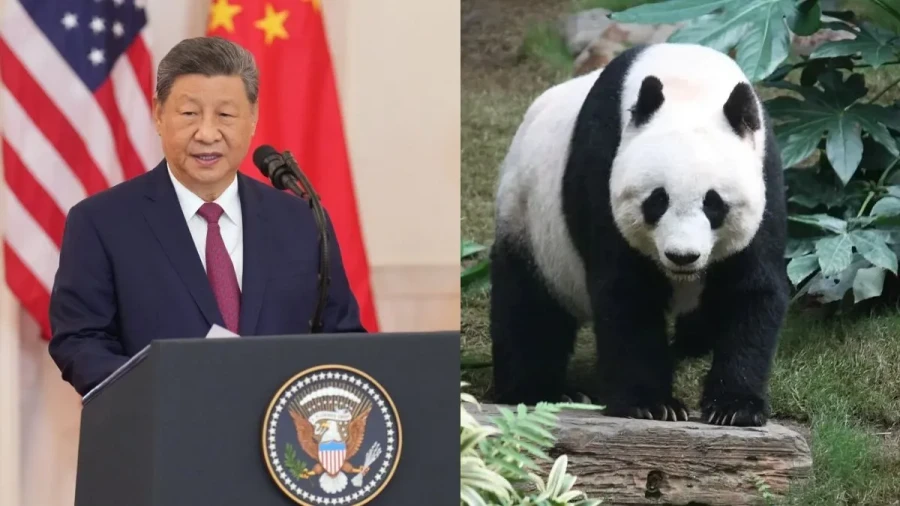
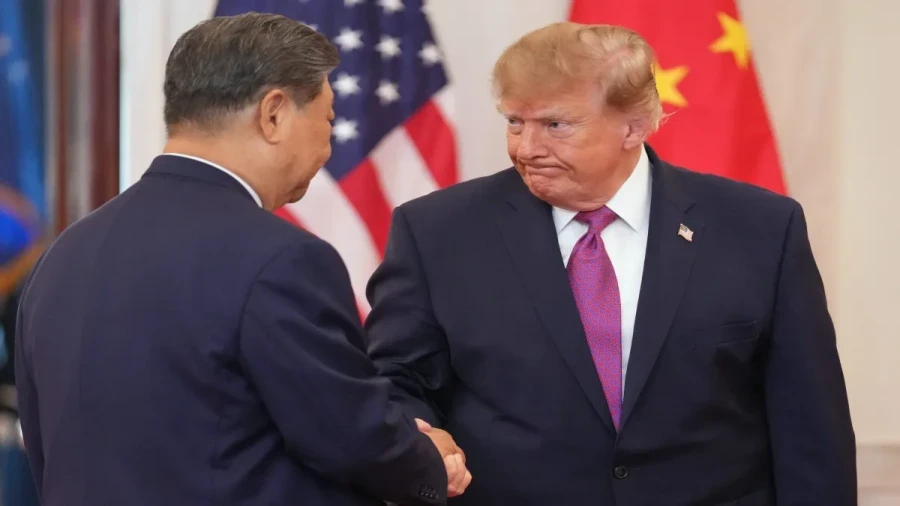
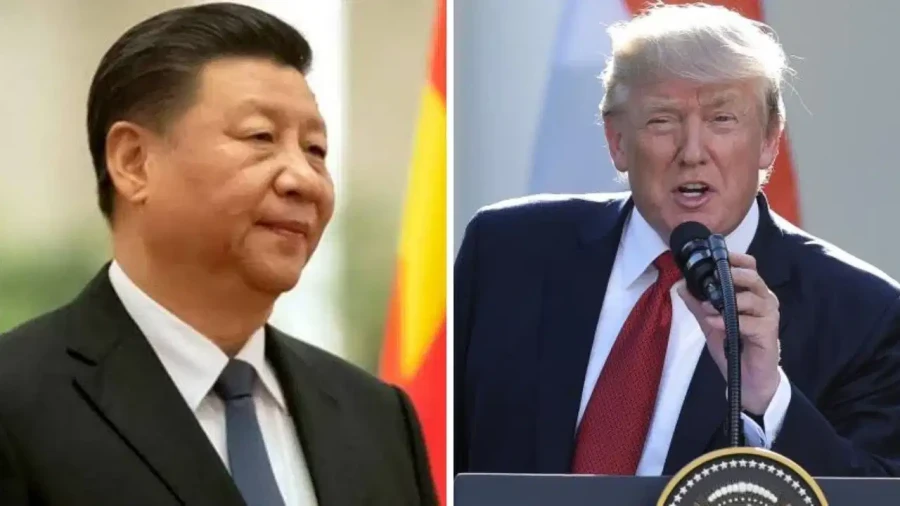
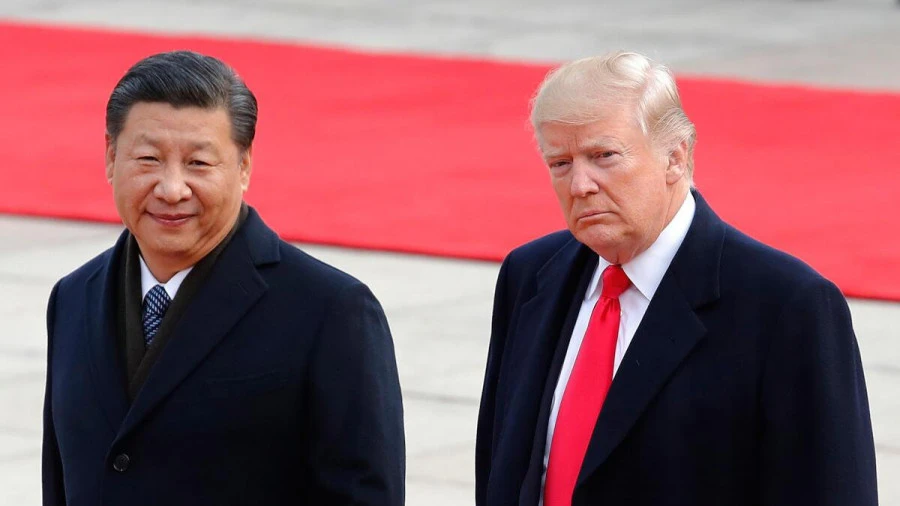
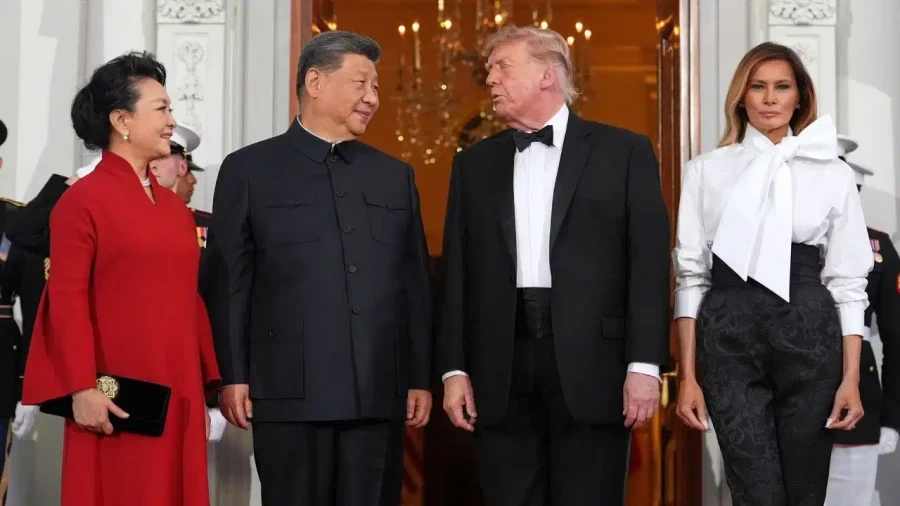
US President Donald Trump and Chinese President Xi Jinping held a high-stakes meeting in Washington, marking a significant moment in the diplomatic relations between the world's two largest economies. The summit was characterized by a mix of ceremonial grandeur and intense discussions on critical issues that have long defined the complex relationship between the United States and China, while the leaders focused on trade agreements, the status of Taiwan, rising military competition, and the future of Artificial Intelligence. This meeting was seen as an attempt to stabilize ties and find a path forward amidst ongoing strategic friction.
1. Extension of the Trade Agreement
One of the most immediate and tangible outcomes of the summit was the agreement to extend the existing trade deal between the United States and China for an additional two months. This agreement, which was originally established to prevent a full-scale trade war, was slated to expire in November. However, both leaders saw the value in continuing the arrangement to allow more time for comprehensive negotiations. US Treasury Secretary Scott Bessent emphasized that this extension provides a necessary window for both nations to engage in deeper dialogue regarding unresolved economic issues. Despite this positive step, several significant challenges remain on the table. These include ongoing disputes over tariffs, Chinese procurement commitments, the supply of rare earth minerals, and various technology-related restrictions. According to US reports, while China has successfully met its requirement to purchase 25 million tons of soybeans, it's still lagging behind in other areas. Specifically, China is approximately 17 billion dollars short of its commitments for other agricultural products. On top of that, the US pointed out that the supply of rare earth minerals from China has remained below the levels previously agreed upon, indicating that significant work is still required to fulfill the terms of the trade relationship.
2. A Unique White House Reception
President Trump utilized the visit as an opportunity to showcase the White House in a manner that reflected his personal style and responded to the hospitality he received during his previous visit to China, while during that trip, President Xi had hosted Trump at a Ming Dynasty temple and a special garden, providing a deeply traditional and cultural welcome. In Washington, Trump reciprocated with a display of American military and historical heritage. Soldiers were seen wearing uniforms from an older American era, creating a sense of historical continuity. The Rose Garden was notably transformed to resemble the aesthetic of one of Trump's golf clubs, adding a personal touch to the official setting. The event also featured a dramatic aerial display, with fighter jets and bombers performing a flypast over the White House. The sound from one of the aircraft was so intense that it momentarily startled President Trump, highlighting the scale and power of the military presentation during the summit.
3. Xi Jinping's Appeal on Taiwan
The issue of Taiwan remained a central and sensitive topic during the discussions, while president Xi Jinping urged President Trump to exercise extreme caution regarding Taiwan, a territory that China considers its own. According to reports from China's state news agency, Xi expressed a desire for the United States to explicitly oppose Taiwan's independence. This request represents a subtle but significant shift from the traditional diplomatic language used by the US. Historically, the United States has maintained a policy of not supporting Taiwan's independence, rather than actively opposing it. While Xi made this appeal for a change in stance, there have been no immediate indications from the Trump administration that the US intends to alter its long-standing linguistic or policy framework regarding the island.
4. Addressing the Risk of Conflict
During the meeting, President Xi Jinping addressed the growing strategic competition between the US and China by referencing the Thucydides Trap, while this historical and political concept suggests that when a rising power threatens to displace an existing dominant power, the resulting tension often leads to war. Xi argued that such a conflict isn't inevitable and can be avoided through proactive measures. He emphasized the importance of maintaining regular military-to-military communication and strengthening mechanisms designed to prevent crises from escalating. President Trump also touched upon the history of wartime cooperation between the two nations, suggesting that despite their current competition, there are shared interests where both countries can work together effectively to maintain global stability.
5. Differing Perspectives on Artificial Intelligence
The future of technology, specifically Artificial Intelligence (AI), was another area where the two leaders presented differing viewpoints, while president Trump proposed a shift in terminology, suggesting that AI should be referred to as Super Intelligence or SI. He indicated a preference for relying on the Justice Department to oversee the sector rather than implementing a complex web of new regulations within the existing system. In contrast, President Xi Jinping highlighted that as the world's leading nations in AI development, both the US and China have a responsibility to ensure the technology evolves in a controlled and beneficial manner. Xi stressed that AI development must remain under human control and should be directed toward the benefit of humanity, advocating for a more structured and collaborative approach to managing the risks and opportunities presented by this transformative technology.