
- India,
- 04-Aug-2026 05:24 PM IST



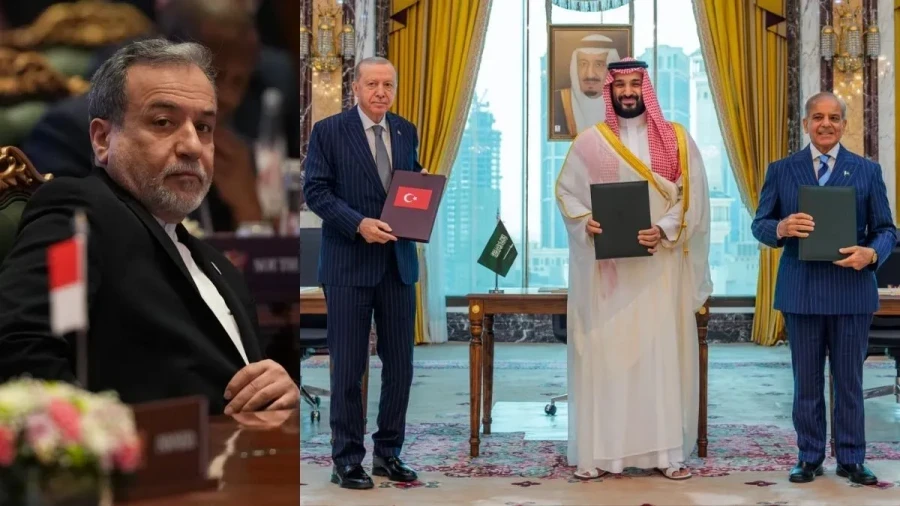
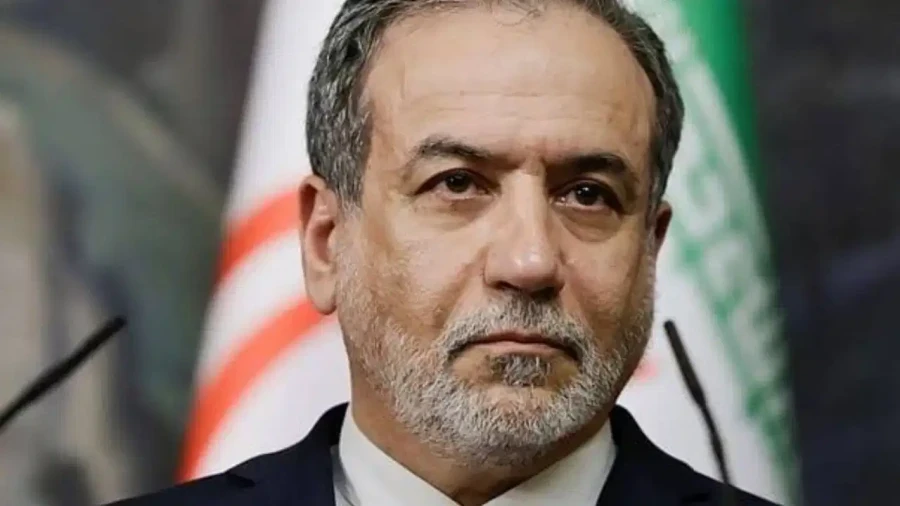
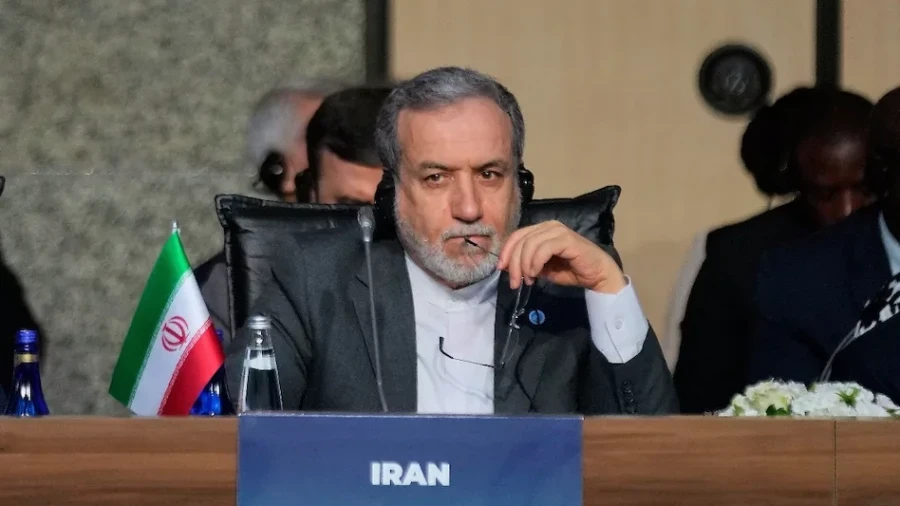
The political corridors of Iran are currently experiencing a period of intense friction as several lawmakers have initiated a formal process to oust the country's Foreign Minister, Abbas Araghchi. This development comes at a time when internal power dynamics within the Iranian administration appear to be shifting Notably, while according to a report by Iran International, senior Member of Parliament Hosseinali Haji-Deligani made a public declaration on Tuesday regarding the move to remove the Foreign Minister from his office.
Impeachment Proceedings and Evidence Gathering
Hosseinali Haji-Deligani, a prominent figure in the Iranian parliament, has confirmed that the groundwork for an impeachment motion against Abbas Araghchi is already underway. He stated that the lawmakers involved are currently in the process of collecting necessary evidence and essential documents to support their case for impeachment. The senior MP emphasized that the formal procedure will be officially launched once they believe the timing is appropriate and the documentation is complete. This move signals a growing rift between the legislative body and the diplomatic leadership of the country.
Shift in Power Dynamics and IRGC Influence
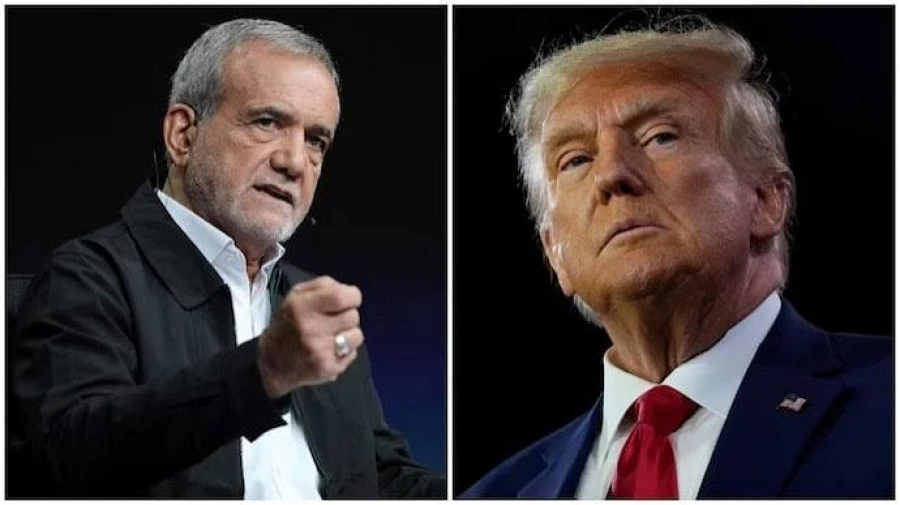
The report further highlights a perceived reduction in the authority of President Masoud Pezeshkian. It's claimed that on critical matters of national importance, the decision-making power has transitioned toward the Islamic Revolutionary Guard Corps (IRGC). Specifically, the decisions made by IRGC Commander Ahmad Vahidi are now expected to be considered final and authoritative on several major fronts. These fronts include Iran's national security strategies, the ongoing and sensitive nuclear program, and the complex diplomatic negotiations with the United States. This shift suggests a consolidation of power within the military and security apparatus over civilian leadership.
Criticism of Diplomatic Engagements
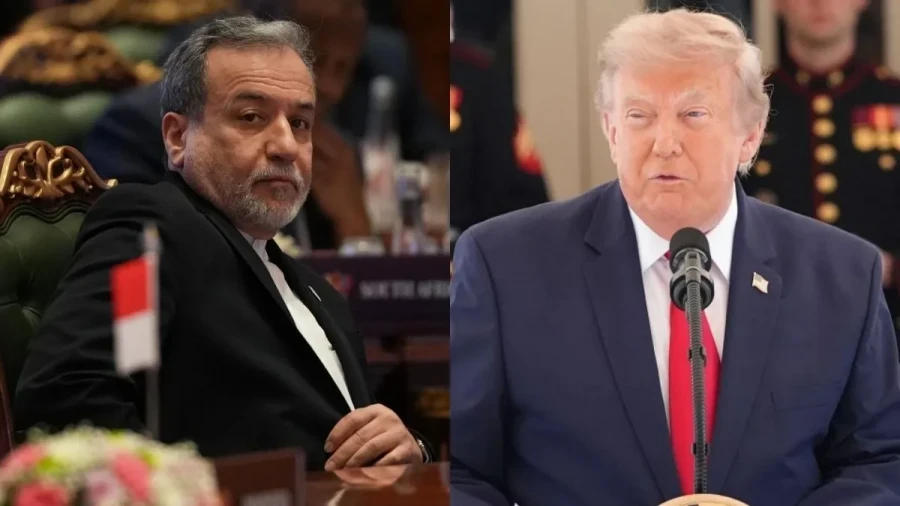
Hosseinali Haji-Deligani has also raised serious questions regarding the diplomatic conduct of the Foreign Ministry, particularly concerning the negotiations that took place during the ceasefire period with the United States. The lawmaker expressed strong disapproval of these talks, labeling the decision to engage in dialogue at that specific time as a mistake. According to his perspective, the initiation of such talks could potentially serve as a catalyst for renewed conflict rather than a path to peace, while he argued that the timing and nature of these discussions were fundamentally flawed.
Sovereignty and Constitutional Concerns
The senior MP further articulated his concerns regarding Iran's national sovereignty and territorial integrity. He warned that any agreement or diplomatic settlement that compromises the sovereignty of Iran would be viewed as a violation of the nation's constitution. This includes any scenario where another country is granted control over any portion of Iran's maritime territory. The lawmakers are positioning their move against Araghchi as a defense of these constitutional and sovereign principles, asserting that no diplomatic engagement should come at the cost of the nation's territorial rights or constitutional mandates.