
- India,
- 27-Sep-2026 01:37 PM IST



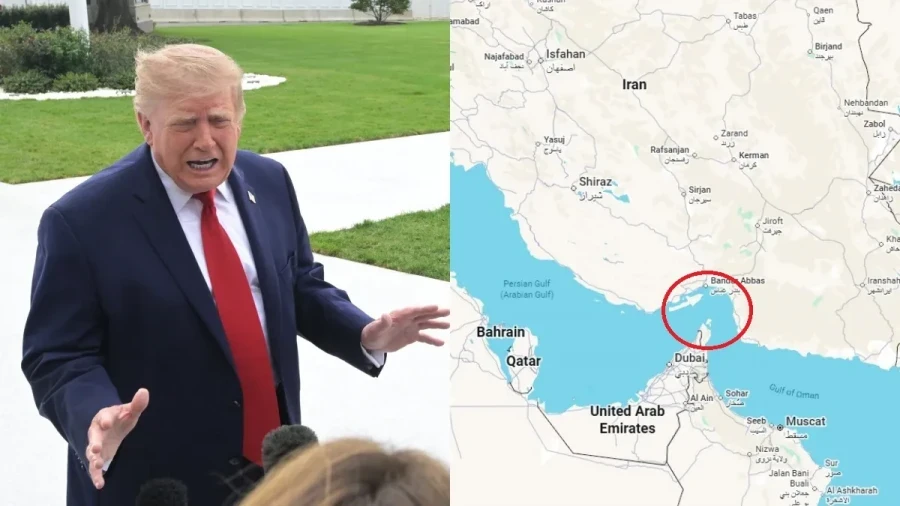
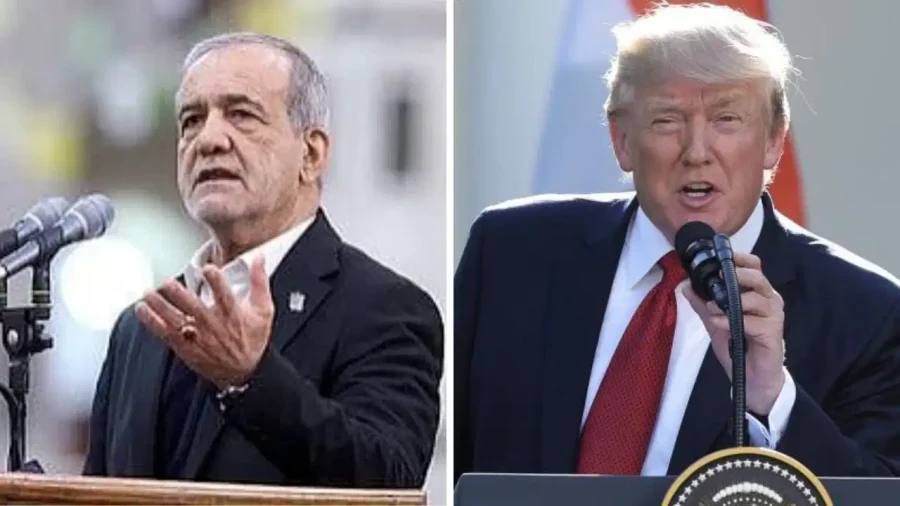
The ongoing diplomatic tensions between Iran and the United States have faced a significant setback as efforts to de-escalate the situation hit a new roadblock, while during the United Nations General Assembly, Iranian Foreign Minister Abbas Araghchi presented a strategic proposal to reopen the Strait of Hormuz within a seven-day timeframe. This move was intended to break the current maritime deadlock, but it came with specific conditions that the United States has so far refused to meet, while despite the public rejection from the White House, Tehran maintains that it's still waiting for a formal response through diplomatic mediators before deciding on its next course of action regarding the vital waterway.
The Terms of the Proposed Agreement
According to Foreign Minister Araghchi, the proposal is rooted in the swift implementation of the terms laid out in the Islamabad agreement reached in June, while for Iran to proceed with opening the strategic waterway, it demanded that the United States release at least 12 billion dollars in frozen Iranian assets. Plus, the proposal required the immediate lifting of sanctions on Iranian oil exports and the cessation of the US naval blockade currently surrounding Iranian ports. A broader condition included a halt to hostilities across the entire region, specifically mentioning the conflict in Lebanon, while iran argued that these steps were necessary to restore economic stability and regional security.
The Seven Day Timeline
The Iranian plan outlined a precise schedule for normalization. If the United States were to accept these terms, Iran estimated that the initial preparatory steps would take approximately 4 to 5 days. By the 6th day, the Strait of Hormuz would be officially reopened for international maritime traffic. On the 7th day, negotiations for a final, comprehensive agreement would commence. These final talks were expected to cover sensitive issues, including Iran's nuclear program and other matters of mutual concern. This 7 day countdown was designed to begin the moment the United States formally accepted the proposal.
Trump's Firm Rejection and the Steel Wall
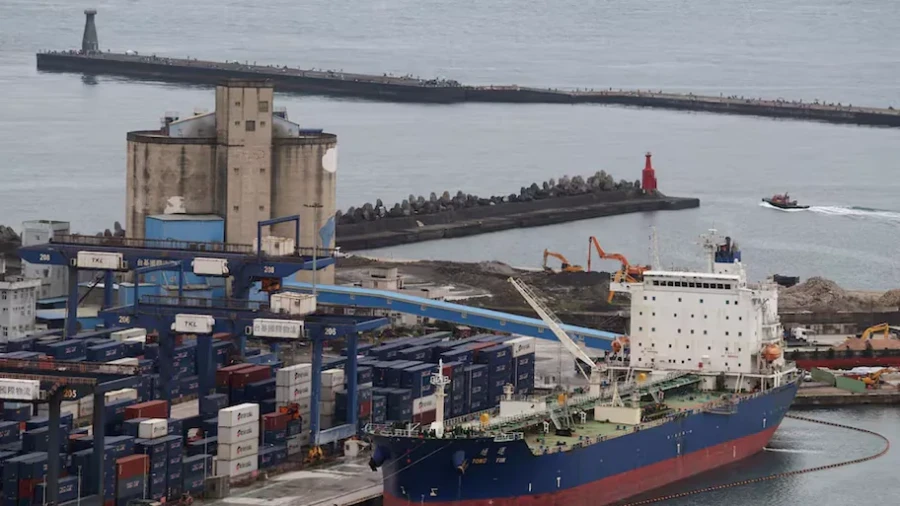
President Donald Trump has dismissed the Iranian proposal, interpreting it as a sign of desperation. Trump asserted that Iran is only seeking a deal because the naval blockade is causing severe economic damage to the country. He described the US military presence as a steel wall that has effectively cut off Iran's revenue streams. Trump also made a specific claim that approximately 20 ships had successfully passed through the Strait of Hormuz in the last 24 hours, although this figure has been met with varying assessments from maritime experts. According to the President, Iran closed the strait with the intention of creating global problems, but the US responded with the largest military blockade in history.
Strategic Importance and Future Risks
The Strait of Hormuz remains one of the most critical energy corridors in the world. Prior to the current conflict, nearly 1/5th of the world's total oil and gas trade passed through this narrow passage. The continued closure or restricted access to this route has significant implications for global energy markets. Meanwhile, a report from the Wall Street Journal suggests that the situation could escalate further. According to the report, some of Trump's associates are considering the possibility of resuming bombing campaigns against Iran following the conclusion of the midterm elections. This potential for renewed military action adds another layer of complexity to an already volatile geopolitical landscape.