
- India,
- 19-Aug-2026 08:27 PM IST



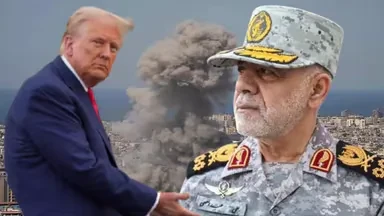
Major General Ali Abdollahi, the recently appointed Chief of Staff of the Iranian Armed Forces, has delivered a significant and stern warning to the nations situated along the southern coast of the Persian Gulf, while this high-level communication specifically targets any form of cooperation, assistance, or facilitation provided to the United States military activities within the strategic region. The General emphasized that the Iranian defense and intelligence apparatus is maintaining a vigilant and constant watch over American military bases and the movement of their aircraft, asserting that no activity escapes the scrutiny of the Iranian military.
Monitoring of US Military Assets and Bases
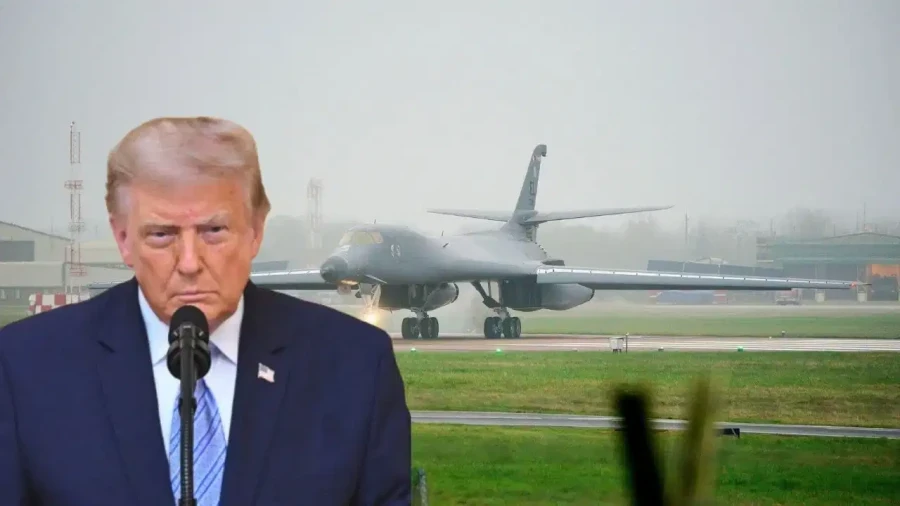
According to statements shared by Iran's state broadcaster IRIB and subsequently disseminated on the social media platform X, Major General Abdollahi made it clear that the regional dynamics are being observed with extreme precision. He addressed the Gulf nations directly, noting that while some of these countries have issued various statements claiming they wouldn't allow their territory to be used as a launchpad for actions against Iran, the reality on the ground is being monitored by Tehran. He pointed out the substantial presence of US military aircraft at various regional bases, specifically highlighting the deployment of refueling aircraft which are critical for long-range operations. The General expressed deep skepticism regarding the host nations' claims of lack of awareness, stating that it's difficult to believe such a large number of military assets, particularly those used for refueling, could be stationed at these regional bases without the explicit knowledge and consent of the host countries. He reiterated that in the eyes of Iran, nothing is hidden from their sight.
Assistance Viewed as Participation in Aggression
The most severe part of the warning issued by Iran to the Gulf countries pertains to the nature of their cooperation with the United States. Major General Abdollahi stated in clear and unambiguous terms that providing any kind of help or facility to the US military would be viewed by Iran as direct military participation alongside the United States. He warned that assisting the aggressive US military forces is equivalent to being a partner in their actions, while this stance marks a significant hardening of Iran's position regarding regional security and the role of neighboring states in hosting foreign military powers. The General's remarks suggest that Iran won't distinguish between the primary aggressor and those who provide the logistical or territorial support necessary for such aggression.
Leadership Changes in the Iranian Armed Forces
Major General Ali Abdollahi was recently appointed to the position of Chief of Staff of the Iranian Armed Forces. This appointment was made by the Supreme Leader of Iran and the Commander-in-Chief of the Armed Forces, Ayatollah Mojtaba Hosseini Khamenei. The leadership transition is part of a broader restructuring within the Iranian military hierarchy. On 10 August, Ayatollah Khamenei assigned key responsibilities to 6 senior commanders across the General Staff of the Armed Forces, the Islamic Revolutionary Guard Corps (IRGC), and the Basij Resistance Force. In these separate orders, Ali Abdollahi was named the Chief of Staff, while Kiyumars Haidari was appointed as the Deputy Chief of Staff. These changes come at a time of heightened regional tensions and reflect Iran's focus on strengthening its military command structure.
US Military Presence and Regional Conflict
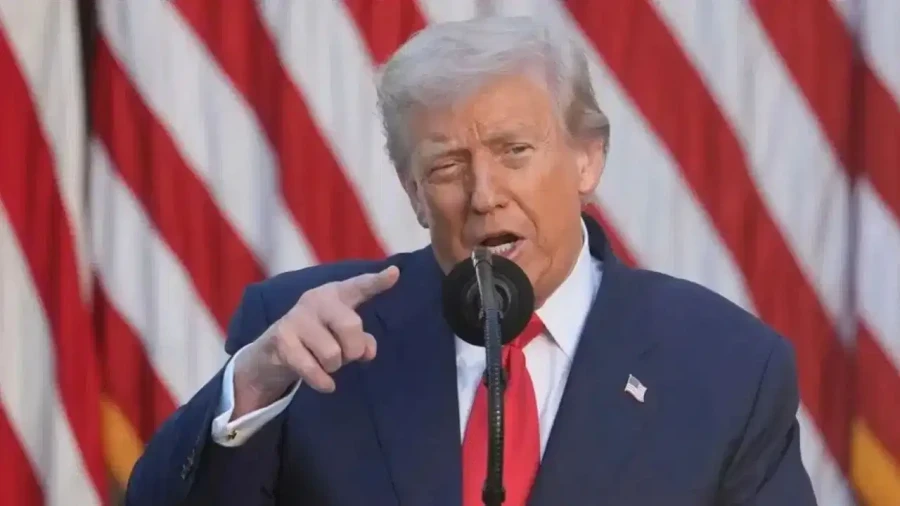
The ongoing conflict between the United States and Iran has persisted for several months, creating a volatile security environment in West Asia. Amidst these tensions, the US Department of Defense is reportedly considering various options to reduce its military presence and the number of troops and bases in the region, while however, the situation remains complex and unpredictable. Recently, Donald Trump made a controversial statement declaring the Strait of Hormuz as US territory, a claim that has further complicated the prospects for peace in the area. Despite reports of a potential US drawdown, the deployment of significant military assets continues to be a point of contention. Iran's latest warning underscores its resolve to challenge the US military footprint and the support it receives from regional allies, suggesting that the possibility of long-term stability in the region remains low as both sides maintain their respective military postures.