
- India,
- 23-Aug-2026 08:06 AM IST



9 on the Richter scale struck Japan, sending strong tremors through the capital city of Tokyo and its surrounding prefectures. According to the Japan Meteorological Agency, the earthquake originated in the southern part of the Ibaraki Prefecture at a depth of approximately 70 kilometers below the ground. 8. Despite the intensity of the shaking, authorities have confirmed that there is no immediate threat of a tsunami following the seismic event. This region is known to be a seismically active zone where earthquakes occur frequently.
Casualties and Regional Impact
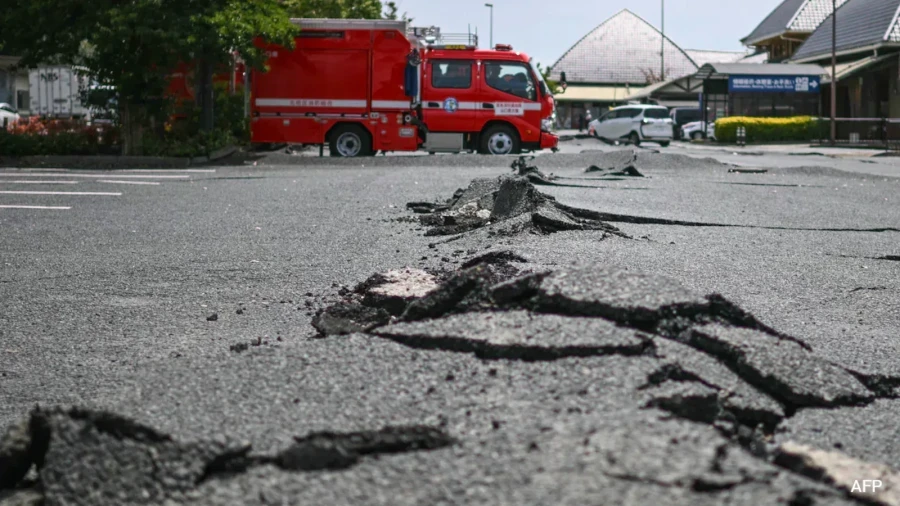
The earthquake has resulted in injuries to at least 20 people, primarily in the Ibaraki Prefecture. The Fire and Disaster Management Agency initially reported that at least five individuals were injured across Ibaraki, Chiba, and Saitama prefectures, but the number has since been updated as more reports come in. Officials are currently investigating the full extent of the injuries and checking for additional casualties in the affected zones. The tremors were felt most Importantly in Ibaraki, Chiba, and Saitama, where residents reported intense shaking that lasted for several seconds, while emergency alerts blared on mobile phones across the region, warning citizens of the incoming tremors and causing momentary panic in the densely populated areas.
Disruption to Transportation and Infrastructure
Transportation networks in the region faced significant disruptions due to the earthquake. The East Japan Railway Company reported that express trains operating between Tokyo and Narita Airport, along with several other local train lines in the north-eastern regions, experienced delays as safety checks were conducted. However, the high-speed Shinkansen bullet trains continued to operate normally without any reported interruptions. In Tokyo, the impact was visible as the city experienced substantial swaying. In the eastern Koto ward of Tokyo, an underground water pipe burst due to the pressure of the tremors, leading to water flooding onto the streets. On top of that, TEPCO Power Grid reported that approximately 460 homes in Tokyo lost electricity immediately after the quake. Utility crews worked through the night, and power was successfully restored to all affected households by Sunday morning.
Government Response and Nuclear Safety
In response to the natural disaster, Prime Minister Sanae Takaichi announced the formation of a dedicated task force to assess the damage and coordinate relief efforts. Taking to the social media platform X, the Prime Minister stated that the government is closely monitoring the situation to ensure public safety and provide necessary assistance to the affected prefectures. On the nuclear front, the Nuclear Regulation Authority conducted thorough inspections of the region's facilities, while they confirmed that no abnormalities or irregularities were reported from the approximately one dozen nuclear power plants and other facilities handling nuclear materials in the vicinity. Public broadcaster NHK showed footage of normal traffic flow in cities like Mito and Saitama shortly after the event, suggesting that while the earthquake caused alarm and localized damage, the region's infrastructure remained largely resilient.