
- India,
- 23-Aug-2026 09:58 AM IST



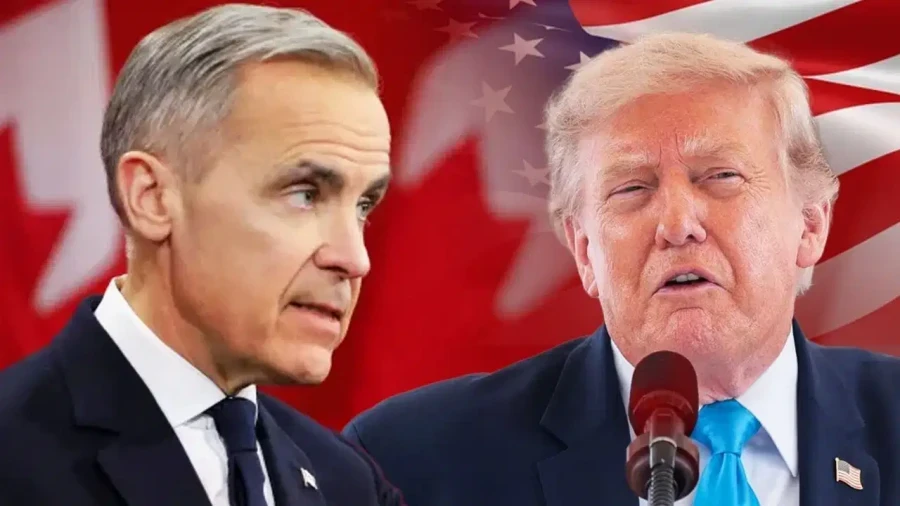
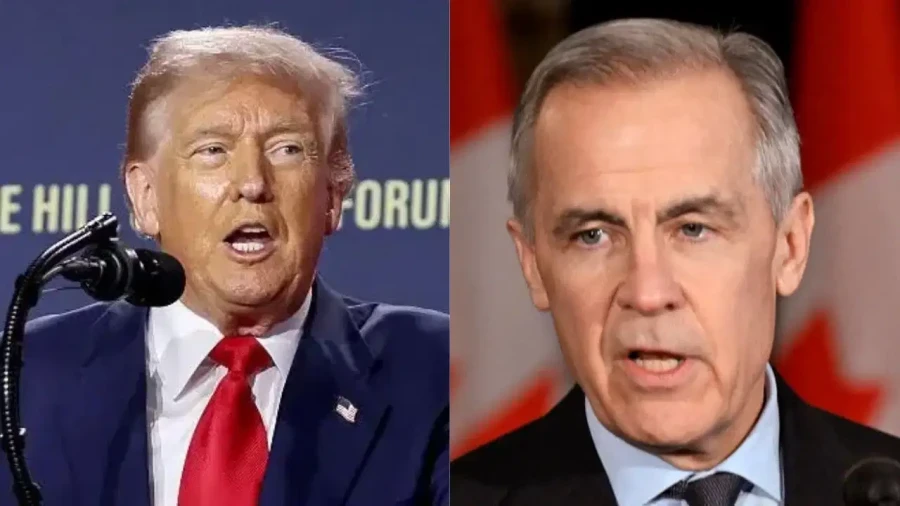
The diplomatic and economic relationship between the United States and Canada has taken a sharp turn for the worse as a long-standing trade dispute has transformed into an open tariff war, while tensions reached a breaking point after the final round of negotiations regarding trade agreements ended without a resolution. In a significant escalation, the Trump administration moved to implement a 50 percent tariff on Canadian goods valued at approximately 20 billion dollars. This aggressive move prompted an immediate and firm response from Canadian Prime Minister Mark Carney, who declared that Canada would respond to the American tariffs with a dollar-for-dollar retaliatory strategy.
Canada Announces Retaliatory Measures
On Saturday, Prime Minister Mark Carney officially announced Canada's plan for retaliatory action against the United States. During his address, he specified that starting from September 8, Canada will impose retaliatory tariffs on goods arriving from the United States. Carney emphasized the gravity of the situation, stating that when a country is attacked, it finds itself in a state of war, and he characterized the recent American economic measures as a direct attack on Canada. The decision to retaliate follows the imposition of the 50 percent tariff by the Trump administration, which is estimated to impact nearly 5 percent of Canada's annual exports to its southern neighbor.
Impacted Industries and Products
The tariffs imposed by the United States target a variety of Canadian exports, including hockey sticks, small wooden implements used in medical equipment, and several other industrial products. In response, Carney outlined the sectors that will be hit by Canada's retaliatory tariffs. These include American dairy products, steel, household appliances, agricultural machinery, electronic goods, and products related to pulp and paper. This comprehensive list indicates that the Canadian government is prepared to strike back across multiple sectors of the American economy to match the scale of the initial US tariffs.
Carney Addresses the Nation
In a detailed 22 minute speech, Prime Minister Carney explained the rationale behind the breakdown in negotiations. He revealed that Canada was initially prepared to make significant concessions to reach a deal. Ottawa had offered to remove existing retaliatory tariffs on American aluminum, steel, and motor vehicles if Washington agreed to substantially reduce its own tariffs. On top of that, the Canadian government was willing to encourage provinces to resume the sale of American liquor. However, Carney noted that the final terms proposed by the Trump administration were fundamentally unacceptable. He remarked that the US side demanded too much while offering too little in return, and Canada wasn't willing to compromise its national sovereignty or weaken its key industries to satisfy those demands.
The Breakdown of Negotiations
The collapse of the trade talks is particularly striking because, only 48 hours prior, there were strong hopes for a successful agreement. For three days, Canadian Trade Minister Dominic LeBlanc and American negotiator Jamieson Greer had been engaged in intensive discussions in Washington. Officials from both sides appeared to be nearing a consensus. However, in the final stages of the talks, the United States introduced new conditions that Canada found impossible to accept. These conditions reportedly sought to limit Canada's ability to enter into trade agreements with other nations. Consequently, Canada halted the negotiations and recalled its delegation to Ottawa.
A Fundamental Shift in Relations
Prime Minister Carney observed that this trade war has brought about a fundamental shift in the relationship between Canada and the United States. He stated that Canada has recognized from the beginning that the United States has changed, famously remarking that sometimes the American signature is written in pencil, implying a lack of permanence or reliability in their commitments. Carney made it clear that Canada isn't looking to return to the old status quo of the relationship. This sentiment was echoed by Ontario Premier Doug Ford, who expressed full support for the dollar-for-dollar retaliatory action, stating that every option must be considered to protect Canadian interests.
The American Perspective
On the other side, the American administration has placed the blame for the failed talks squarely on Canada, while trump administration officials claimed they had offered concessions in key sectors such as timber, steel, and automobiles. American trade negotiator Jamieson Greer asserted that Washington had provided an opportunity for Canada to secure a better deal than what was previously on the table, but suggested that the Canadian side was unwilling to accept it. Despite these claims, Canada remains firm in its position, highlighting that it has successfully secured 20 new agreements and economic partnerships over the past year, doubling its potential market access and proving its status as a preferred global partner for many other nations.