
- India,
- 17-Jul-2026 08:15 AM IST



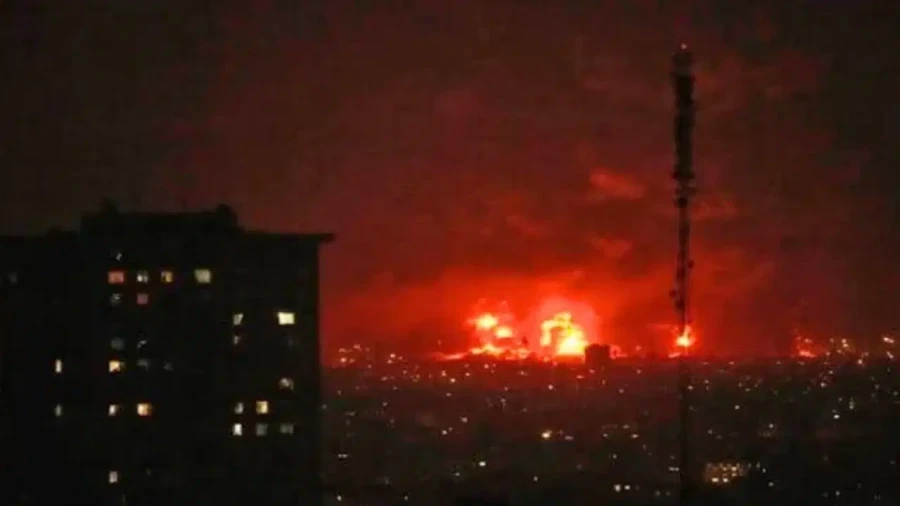
The ongoing conflict between the United States and Iran has escalated Importantly, with American forces launching a series of airstrikes targeting strategic bridges and military installations across several Iranian provinces. In a swift and aggressive retaliation, Iran launched missile and drone attacks against Bahrain, Kuwait, and Jordan. This surge in hostilities has centered around the Strait of Hormuz, a critical maritime chokepoint, raising urgent concerns regarding regional security, global oil supplies, and the stability of international energy markets. The situation has become increasingly volatile as both nations exchange heavy fire, moving beyond localized skirmishes into a broader regional confrontation.
US Intensifies Strikes on Iranian Infrastructure
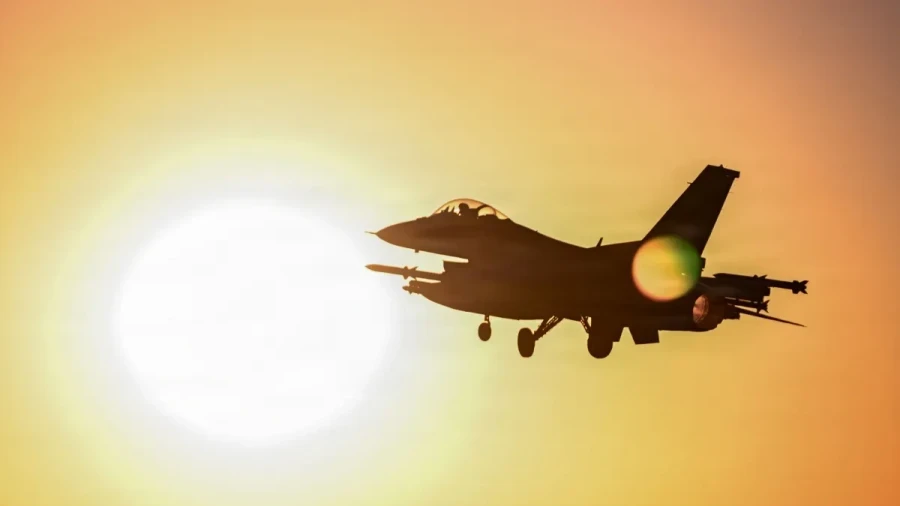
On Thursday, the United States expanded its military operations, focusing on Iran's transportation network and naval capabilities. American aircraft targeted multiple bridges, particularly in the southern Hormozgan province. According to the Iranian state news agency IRNA, these strikes resulted in the deaths of at least 3 people. The US military also targeted a vessel accused of attempting to breach the naval blockade imposed on Iran, while uS officials stated that this second wave of attacks was designed to further degrade Iran's military infrastructure, with strikes reaching areas near the capital, Tehran, indicating a broadening of the conflict's scope. The precision strikes aimed to disrupt the movement of military assets and logistics within the country.
Casualties and Targeted Provinces
Iranian state media reported that the American strikes were widespread, hitting targets in Tehran, Semnan province, Hamadan, Hormozgan, Khuzestan, Lorestan, Markazi, Sistan-Baluchestan, and Qeshm Island. Semnan province is notably recognized as a major hub for Iran's ballistic missile production and its space program. In the Allah-Akbar Hill residential area of Bandar Abbas, 7 people were reported injured following an attack. On top of that, 2 people were injured at the Bandar Abbas railway junction. West of the city, strikes on 2 bridges resulted in 3 deaths and 9 injuries. The geographical spread of these attacks suggests a comprehensive strategy to target both industrial and logistical nodes across the nation.
Strategic Confrontation in the Persian Gulf
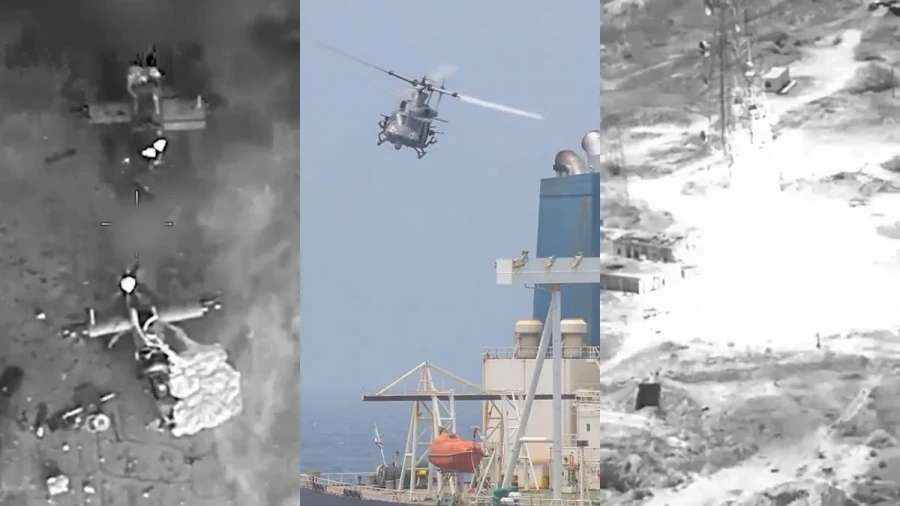
The US Central Command (CENTCOM) confirmed that it targeted Iranian defense and missile sites on Greater Tunb Island. This island is one of three small islands situated at the confluence of the Persian Gulf and the Strait of Hormuz, which Iran has occupied since 1971. These islands provide Iran with a significant strategic advantage in controlling the strait. Also, the US military claimed to have disabled a Curacao-flagged oil tanker that was heading toward Iran's primary oil export terminal. According to US reports, the vessel ignored multiple warnings before a missile was fired to neutralize it. This action underscores the enforcement of the naval blockade that the US re-established on Wednesday.
Regional Retaliation and Diplomatic Tensions
In response to the American offensive, Iran launched missile and drone strikes toward Bahrain, Kuwait, and Jordan on Thursday. While the governments of these nations confirmed the attacks, there were no immediate reports of major damage or casualties. Meanwhile, Iraqi Prime Minister Ali al-Zaidi condemned a drone attack in the northern Kurdish region, where the drone was reportedly intercepted. This incident occurred during the Prime Minister's visit to the US, where he discussed disarming non-governmental armed groups, including those backed by Iran. The involvement of neighboring countries marks a dangerous expansion of the conflict, threatening to draw the entire Middle East into the fray.
The Battle for the Strait of Hormuz
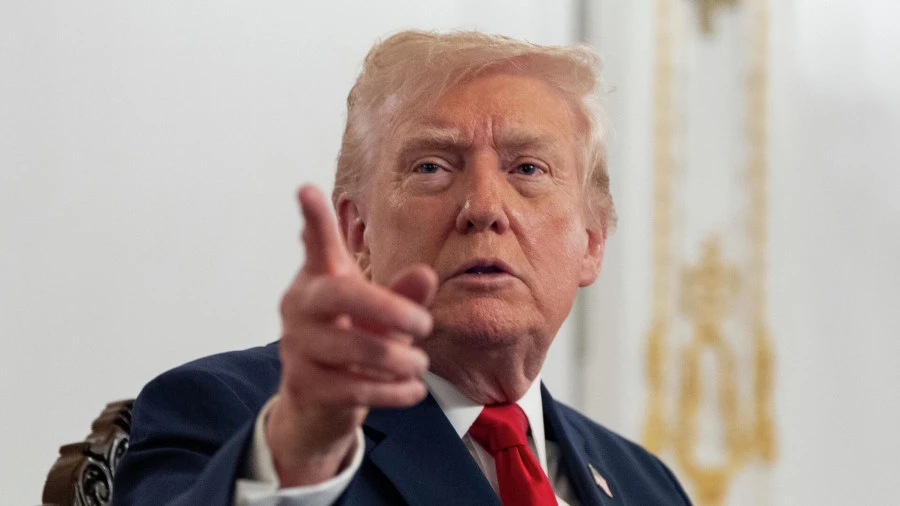
The interim ceasefire that was established last month to prevent war has now completely collapsed. The conflict is primarily driven by the struggle for control over the Strait of Hormuz. When the US and Israel launched military operations against Iran on February 28, Iran responded by effectively closing the strait to shipping. This move caused a sharp spike in crude oil prices and gave Iran significant use in negotiations. Colonel Ibrahim Zolfaqari, spokesperson for the Khatam al-Anbiya Central Headquarters of the Iranian military, warned that if the US continues to attack bridges and power plants as threatened by President Donald Trump, Iran could launch widespread attacks on infrastructure throughout the region.
Impact on Global Trade and Shipping
Despite the escalating violence, President Donald Trump has suggested that the possibility of a peace agreement remains, though ground realities suggest otherwise. The US Central Command claimed it redirected 3 commercial vessels attempting to break the blockade, disabled one, and boarded another for inspection. CENTCOM stated on X that the Strait of Hormuz remains open and safe for those not violating the blockade. However, data from Lloyd's List Intelligence shows that the number of cargo ships passing through the strait had already dropped by 25 percent earlier this month. Following the recent attacks, the situation has worsened, with some tankers turning off their location equipment and others remaining stationary at sea to avoid the growing risks.