
- India,
- 15-Jul-2026 02:42 PM IST



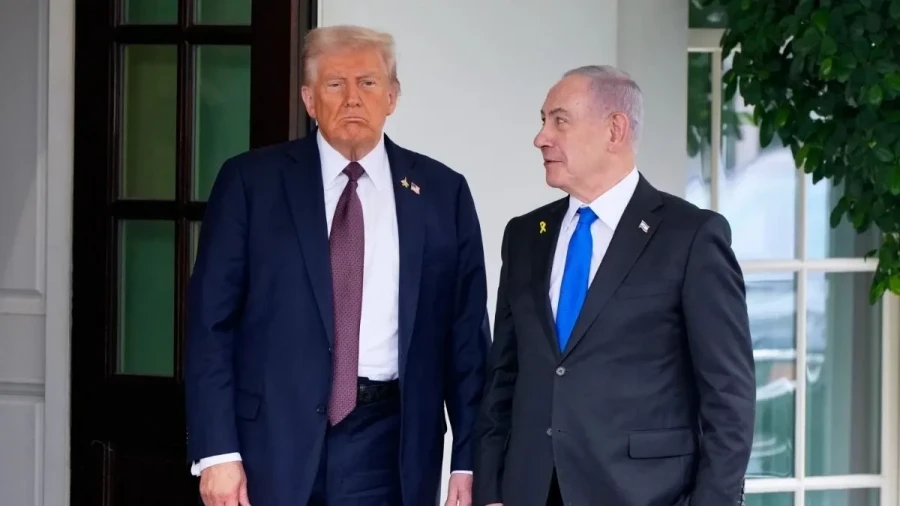
US President Donald Trump has formally requested Israeli Prime Minister Benjamin Netanyahu to initiate a military withdrawal from Southern Syria and Southern Lebanon. This significant diplomatic development occurred during a telephone conversation between the two leaders last week. According to a report by the American news website Axios, President Trump expressed concerns that the continued presence of the Israel Defense Forces (IDF) in these regions could further escalate tensions across the Middle East, while during the call, Trump reportedly told Netanyahu, "They don't want you there. " This message was applied to both the Israeli presence in Southern Syria and the troops stationed in Southern Lebanon.
Diplomatic Context and NATO Summit
The timing of this request is particularly noteworthy as it followed President Trump's meeting with Syrian President Ahmed al-Shara during the NATO summit held in Turkey. During this summit, the United States took proactive steps toward drafting a new security arrangement between Israel and Syria. While the White House has declined to comment on the specific details of the private phone call, they've notably not denied the reports. US officials have emphasized that while Trump remains a staunch supporter of Israel and maintains a strong relationship with Netanyahu, he's also deeply committed to establishing long-term peace in the region.
Netanyahu's Security Concerns and Disagreement
Prime Minister Benjamin Netanyahu has reportedly expressed disagreement with President Trump's suggestion. Netanyahu argued that maintaining a military presence in Southern Syria and Southern Lebanon is vital for the security of Israel's borders. The Israeli Prime Minister's Office released a statement reinforcing this stance, highlighting the necessity of a "security zone" near the borders to protect Israeli citizens. This disagreement comes at a time when the US has been working for several months to broker a new security pact between Israel and Syria, though the success of these efforts remains uncertain as Netanyahu appears hesitant to commit to major strategic concessions at this stage.
Escalation in Southern Syria and Lebanon Talks
The situation on the ground remains volatile. Following the collapse of Bashar al-Assad's government in December 2024, Israel increased its military deployment in certain areas. However, Washington has proposed a phased withdrawal plan. In Southern Syria, recent IDF operations have led to protests by local residents and occasional clashes with Israeli forces, adding a layer of sensitivity to the issue, while meanwhile, US-mediated talks between Israel and Lebanon resumed in Rome on Tuesday. These discussions focused on implementing a preliminary agreement reached weeks ago, which included the withdrawal of Israeli forces from 2 pilot zones in Southern Lebanon to be replaced by the Lebanese army. Israel has conditioned further withdrawal on the complete removal of Hezbollah's weapons and fighter networks from these areas.
Political Pressure and Regional Tensions
This diplomatic pressure from Washington arrives as Netanyahu prepares for general elections scheduled to take place in approximately 3 months. Within Israel, several senior ministers are advocating for permanent strategic control over Southern Syria and Southern Lebanon, viewing it as a necessary measure to prevent a recurrence of the 7 October 2023 attacks. Simultaneously, regional tensions are high following Iranian attacks on commercial vessels in the Strait of Hormuz, prompting the US to re-impose a naval blockade on Iranian ports. The intersection of domestic politics and regional security continues to complicate the path toward a military withdrawal.