
- India,
- 14-Jul-2026 09:42 PM IST



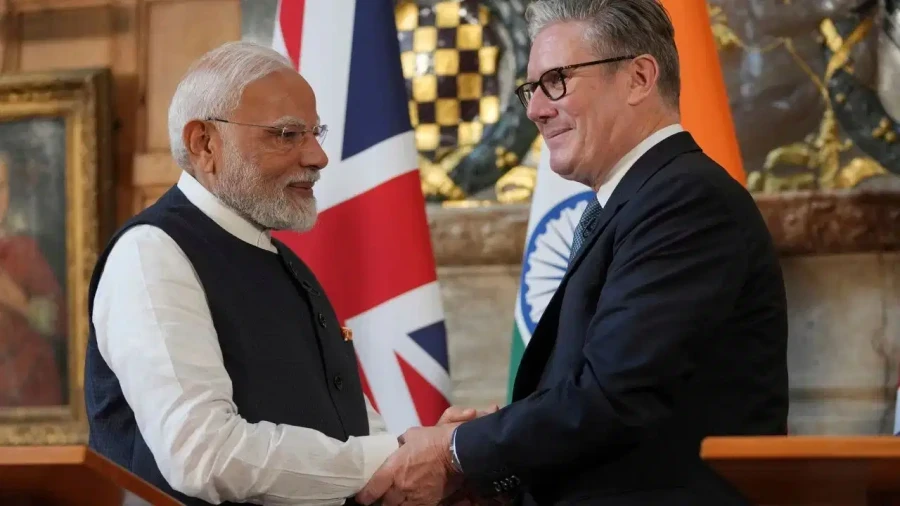
The economic landscape between India and the United Kingdom is set for a transformative shift as the Comprehensive Economic and Trade Agreement (CETA) is scheduled to be implemented starting July 15, 2026. This historic agreement is poised to deliver substantial benefits to both consumers and businesses across both nations. By bridging trade barriers, the deal aims to make a wide array of British products more affordable for Indian consumers while simultaneously opening vast new avenues for Indian enterprises to penetrate the UK market with greater ease and competitiveness.
Significant Price Reductions for Premium Goods
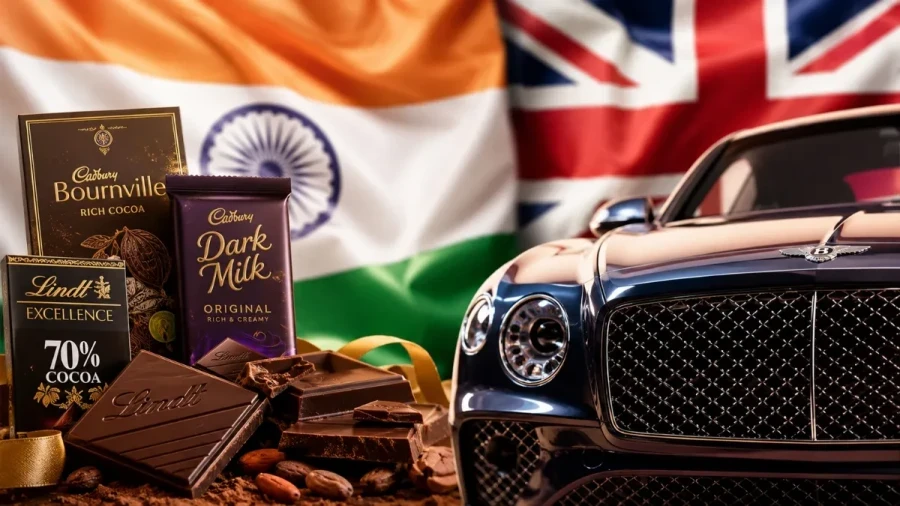
One of the most anticipated outcomes of this trade deal is the gradual reduction of import duties on several high-demand British products. Items such as Scotch whisky, gin, chocolates, biscuits, and cosmetics are expected to see a downward trend in their market prices. On top of that, certain British-manufactured automobiles will also benefit from these revised tax structures. As these import duties are phased out or lowered, the direct impact will be felt by the end consumers who will likely pay Notably less for these premium goods in the coming years.
Major Tax Cuts on Scotch Whisky and Automobiles
The specifics of the tax reductions highlight a major shift in trade policy, while currently, India imposes a steep import duty of 150 percent on Scotch whisky. Under the new CETA framework, this duty will initially be slashed to 75 percent. Over the subsequent 10 years, the duty is slated to decrease further, eventually settling at 40 percent. A similar strategy is being applied to British cars, which currently face import duties as high as 110 percent. These duties will be reduced in a phased manner until they reach a mere 10 percent. Notably, this arrangement will also extend its benefits to electric and hybrid vehicles, aligning with global shifts toward sustainable transportation.
New Horizons for Indian Exporters
On the flip side, Indian exporters stand to gain immensely from this agreement. The deal ensures that India will be able to export approximately 99 percent of its products to the United Kingdom without any import taxes. This duty-free access is expected to bolster the competitiveness of Indian goods in the British market and trigger a surge in export volumes. Several key sectors have been identified as primary beneficiaries, including textiles, readymade garments, leather products, and footwear. On top of that, the seafood industry, sports goods, toys, gems and jewelry, engineering goods, auto parts, and organic chemicals are expected to witness significant growth under this new trade regime.
Safeguarding the Interests of Indian Farmers
While the agreement promotes free trade, the Indian government has been meticulous in protecting domestic agricultural interests. To shield Indian farmers and the dairy industry from the competition of cheaper foreign imports, several sensitive products have been excluded from the deal. These exclusions include dairy products, sugar, rice, apples, cheese, chicken, pork, and eggs. By keeping these items out of the agreement's scope, the government ensures that the livelihoods of those dependent on these sectors remain secure.
Projected Economic Growth by 2040
The long-term vision of the India-UK trade deal is one of solid economic partnership. Projections suggest that by the year 2040, the total trade volume between the two countries could see a remarkable increase of approximately 39 percent. This growth translates into billions of pounds in additional annual trade, fostering an environment ripe for increased investment and the creation of new employment opportunities in India. This agreement marks a milestone in bilateral relations, setting the stage for a new era of shared prosperity.