
- India,
- 18-Jun-2026 07:52 AM IST



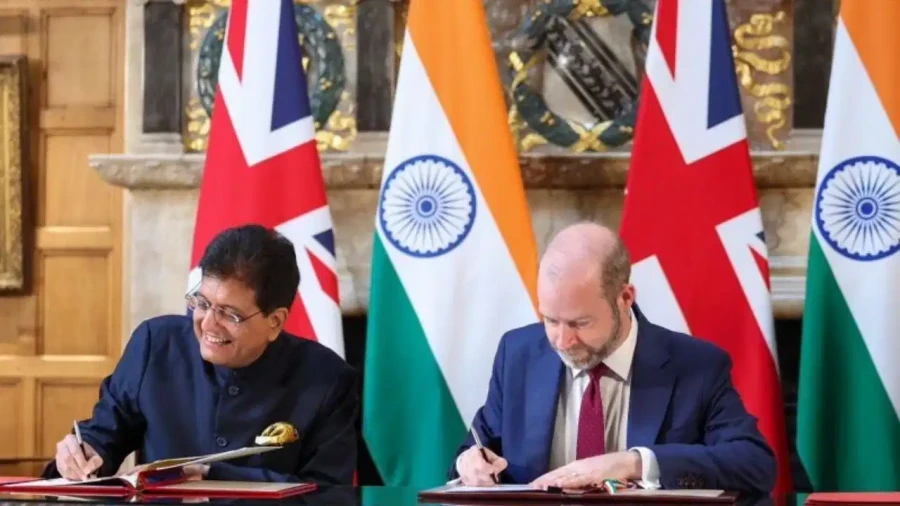
A new chapter in the trade relations between India and the United Kingdom is set to begin as the historic Comprehensive Economic and Trade Agreement (CETA) is scheduled for implementation on July 15, 2026. This landmark agreement, which has been the result of extensive negotiations, aims to Notably boost bilateral trade and economic cooperation. Alongside CETA, a crucial Social Security Agreement, known as the DCC, will also come into effect on the same day, providing a comprehensive framework for both goods and services, while this strategic move is expected to be a game-changer for the Indian economy, offering unprecedented access to the British market for Indian exporters and professionals alike.
Duty-Free Access for Indian Goods
Under the new trade framework, 99 percent of Indian products will enjoy duty-free entry into the UK market. This is a significant development for Indian exporters who previously faced high tariffs on various goods. For instance, processed food items that were subject to taxes as high as 70 percent will now see these duties eliminated. 5 percent duty, will now be tax-free. Other sectors set to benefit include engineering and auto parts, which previously had an 18 percent duty, leather and footwear with a 16 percent duty, and textiles which faced a 12 percent import duty. By removing these financial barriers, Indian products will become more competitive in the UK, benefiting small-scale industries, farmers, and fishermen across the country. However, the agreement also includes safeguards for India's sensitive agricultural sectors, ensuring that dairy products, grains, and apples remain protected from the pressures of external imports.
Empowering the Service Sector and Professionals
The agreement extends beyond physical goods to provide a massive boost to India's service industry, while the UK has opened up 137 service sectors where India holds a strong global position, including Information Technology, professional services, education, telecommunications, and healthcare. One of the most significant reliefs comes for Indian professionals working in the UK. Under the new social security pact, temporary Indian workers will be exempt from double social security contributions for a period of 5 years, an increase from the previous 3-year limit. This move is expected to directly benefit over 75,000 professionals and approximately 900 Indian companies operating in the UK. On top of that, a specialized arrangement has been made to provide 1,800 annual opportunities for Indian chefs, yoga instructors, and classical musicians to work in the UK, showcasing India's cultural and culinary expertise on a global stage.
Protecting the Steel Industry and Supporting MSMEs
The 30-chapter agreement also prioritizes the protection of domestic industries. A key highlight is the safeguarding of the Indian steel industry. Despite the UK's implementation of strict new steel regulations starting July 1, 2026, India has successfully negotiated to keep 85 percent of its steel exports exempt from these rules. The remaining portion will be protected through a specialized quota system, ensuring that Indian steel manufacturers don't face undue hardship. This trade agreement is designed to be inclusive, offering growth opportunities for women, youth, startups, and the MSME sector by connecting them with a large consumer market. The foundation of this partnership was laid in May 2021, and after 14 rounds of rigorous negotiations, it's finally ready to be implemented, positioning India as a formidable economic power on the global stage.