
- India,
- 14-Jul-2026 09:48 PM IST



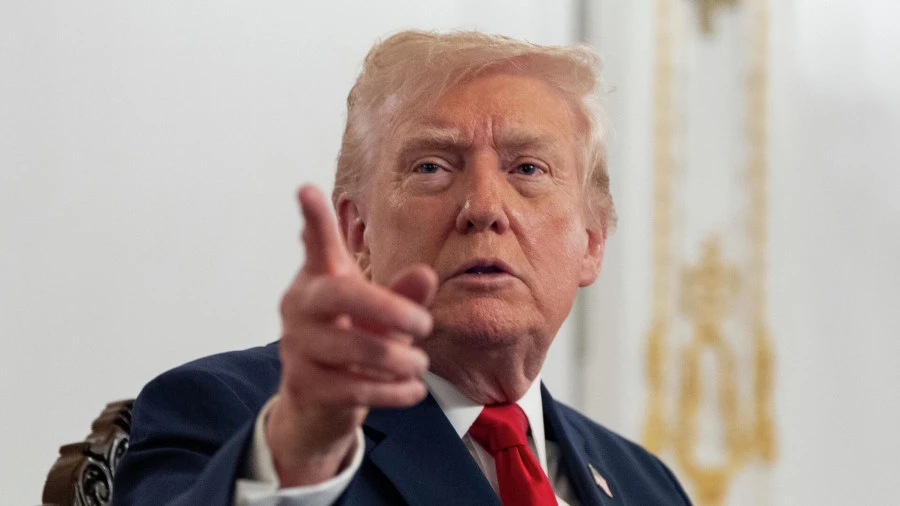
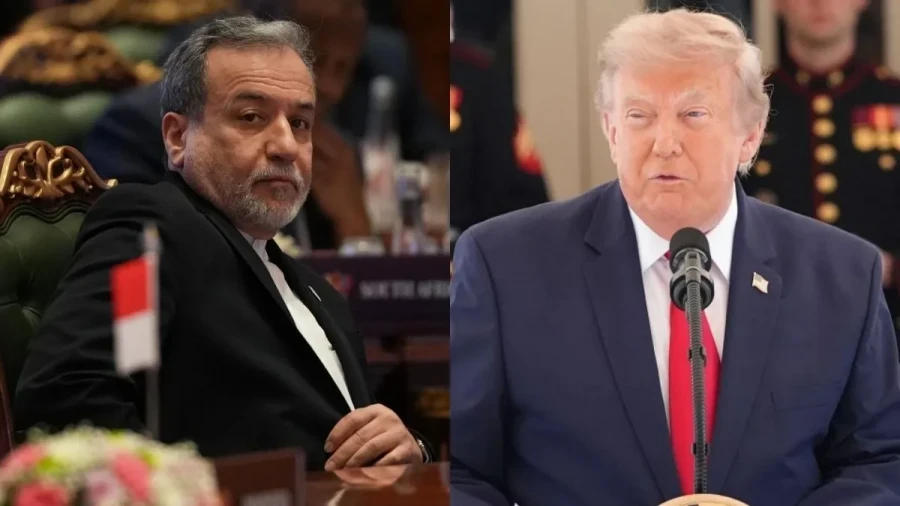
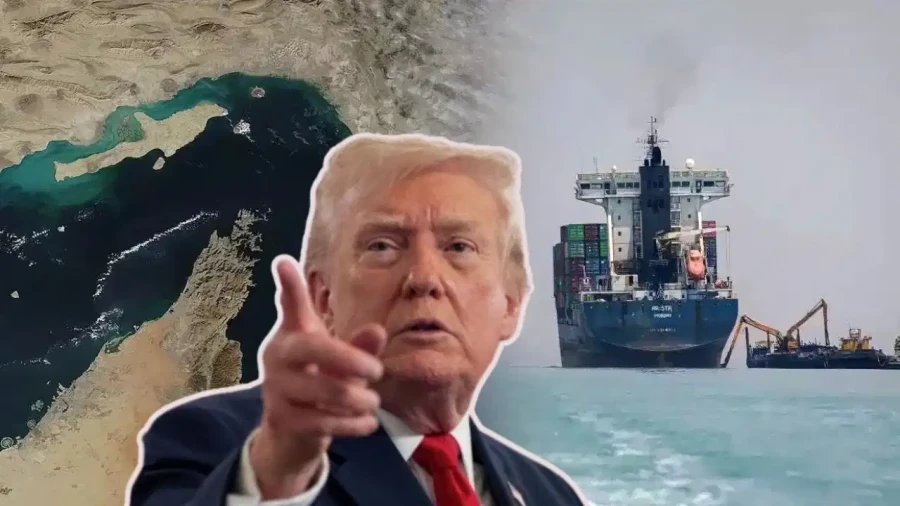
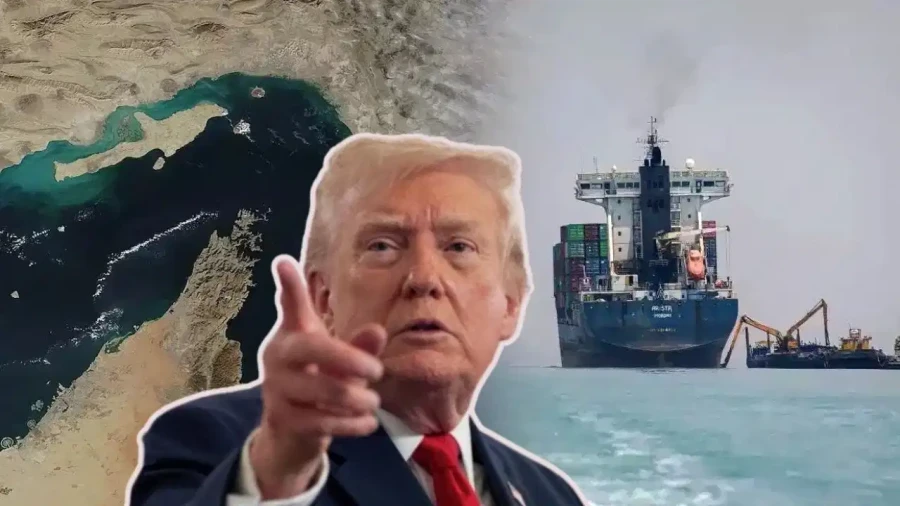
S. President Donald Trump has announced a major reversal regarding the Strait of Hormuz. Within 24 hours of proposing a 20 percent tax on all cargo ships passing through the strategic waterway, Trump clarified that the fee would be replaced by massive trade and investment agreements with Gulf nations. Taking to social media, the President stated that the Strait of Hormuz remains open to all vessels, with the sole exception of those associated with Iran, while this move marks a strategic pivot in how the United States intends to manage security and economic interests in the Middle East while leveraging its military dominance.
The Blockade Against Iran
President Trump was explicit in his reasoning for excluding Iran from the open passage of the Strait. He described the Iranian leadership as false, violent, and evil-minded, asserting that their actions are leading the nation toward total destruction. Consequently, the United States will implement a complete blockade, but it will be strictly targeted. The blockade will apply only to ships traveling to or from Iranian ports and those carrying Iranian cargo, while s. vision for the region.
Recognition of Military Leadership
S. military for the continued flow of oil, which he claimed is higher than ever before. He offered a special salute to key military figures, including War Secretary Pete Hegseth, Chairman of the Joint Chiefs of Staff Dan Cain, and Admiral Brad Cooper, the Commander of the United States Central Command (CENTCOM). Their leadership, according to Trump, has been instrumental in maintaining American dominance and security in the region, allowing for these new policy maneuvers that prioritize American economic growth alongside regional stability.
From Taxes to Investment Deals
The most notable change in Trump's stance is the transition from a mandatory 20 percent reimbursement fee to bilateral investment deals. Trump noted that following productive discussions with Middle Eastern leaders, he decided that trade and investment agreements with various Gulf States would serve as a better alternative. These investments are expected to be of an unprecedented scale, while s. already sees the highest level of dollar investment in history, these new deals will Importantly increase those figures. The goal is to bring a historic influx of factories, plants, and equipment to American soil, which the President believes will create millions of high-paying jobs for American workers.
Stance on Nuclear Weapons and Human Rights
Addressing the broader geopolitical situation, Trump declared that the era of Iran killing its own people, including the 52,000 protesters mentioned in his post, has come to an end. He issued a firm warning regarding Iran's nuclear ambitions, stating categorically that Iran will never possess a nuclear weapon. This statement reinforces the administration's hardline approach toward Tehran while signaling a winning era for American foreign policy. Trump concluded his message by thanking the public for their attention to this critical matter of national and global security, asserting that America is winning on a scale never seen before.
The Previous Proposal
Just a day prior to this announcement, Trump had proposed a vastly different plan on his Truth Social platform. In that initial post, he had suggested that the United States be recognized as the Protector of the Strait of Hormuz. To fund the security operations in this volatile region, he had proposed a 20 percent tax on all cargo ships. However, the rapid shift to investment-based agreements suggests a preference for long-term economic partnerships over immediate transactional fees, provided those partnerships directly benefit the American industrial landscape and job market.