
- India,
- 15-Jul-2026 05:18 PM IST



The situation in Pakistan-occupied Kashmir (PoK) has reached a boiling point as the region prepares for the upcoming assembly elections scheduled for July 27. Reports of extreme violence and state-led crackdowns have emerged, with General Munir's forces allegedly taking lethal action against civilians. The atmosphere is thick with tension as protesters continue to challenge the established order, leading to a series of violent confrontations between the public and security forces.
Bloodshed Between Rawalakot and Sudhanoti
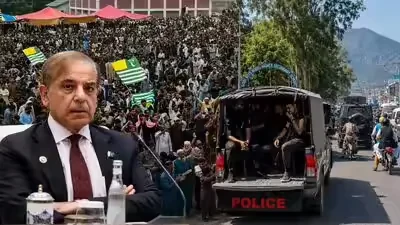
In a significant escalation of the ongoing anti-election movement, reports have surfaced regarding security forces opening fire on protesters in the area between Rawalakot and Sudhanoti. According to local claims, this brutal action has resulted in the deaths of at least 8 protesters. Numerous others are reported to have sustained injuries during the firing. While these claims of 8 fatalities have been widely circulated by local sources, independent verification of the exact death toll remains a challenge due to the restricted environment in the region.
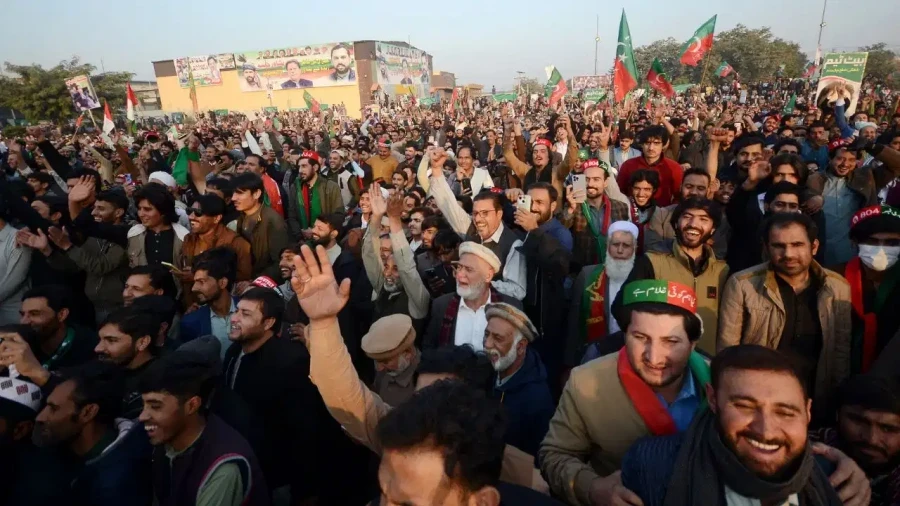
The violence erupted as a massive crowd of protesters gathered for a planned march towards Muzaffarabad. Security forces attempted to intercept and disperse the demonstrators near the Rawalakot bus stand. To prevent the march from proceeding, the forces utilized tear gas shells and eventually resorted to live ammunition. Observers have noted a significant participation of women in these protests, highlighting the widespread nature of the discontent against the current administration and the electoral process.
The Controversy Over 12 Reserved Seats
The core of the unrest lies in the deep-seated dissatisfaction with the electoral system in PoK. The legislative assembly consists of a total of 53 seats. However, the point of contention is the 12 seats specifically reserved for Kashmiri refugees who don't reside within PoK. Instead, these individuals live in various Pakistani cities such as Lahore, Karachi, and Rawalpindi. Protesters argue that these 12 seats are used by the government in Islamabad to manipulate the electoral outcome and impose a puppet government on the people of PoK. The movement demands a fundamental change in this arrangement, asserting that the current system doesn't truly represent the local population's will.
36 Days of Unrest and Rising Casualties
The current wave of protests has been ongoing for 36 days, reflecting a sustained and growing anger against the Pakistani government. The leadership of the movement claims that the crackdown over these 36 days has been devastating, with more than 80 protesters reportedly losing their lives. In addition to the fatalities, hundreds of political leaders and activists have been arrested and detained by the authorities. The government has also been accused of disrupting essential communication services, including the suspension of internet and mobile networks, to stifle the flow of information and coordination among the protesters.
The demands of the people have also touched upon basic necessities, while protesters have been vocal about the lack of affordable electricity and flour, stating that their basic needs are being met with bullets instead of solutions. The brutality of the actions taken by Munir's forces has drawn international attention, with India formally protesting against the atrocities being committed against the people of PoK. India has called for an immediate end to the human rights violations and the systemic oppression of the local population. As the July 27 election date approaches, the standoff between the protesters and the security forces shows no signs of abating.