
- India,
- 21-Jul-2026 11:55 AM IST



India has adopted a Notably toughened stance regarding the Indus Waters Treaty (IWT), with high-level government sources indicating that the agreement will no longer be implemented in its current form. According to these sources, the Indus Waters Treaty was originally formulated based on the technological capabilities and geopolitical circumstances of the 1950s, which are no longer relevant or compatible with the requirements of the modern era. The 1960 treaty is now considered effectively terminated in its previous capacity, as India seeks to address the changing dynamics of water management and regional security.
Outdated Framework and Technical Limitations
The sources emphasized that the treaty was built on a foundation of mutual goodwill, a sentiment that has been severely undermined by persistent cross-border terrorism. The framework didn't account for the modern challenges of state-sponsored militancy. It has been noted that the technical parameters established over six decades ago don't reflect current hydrological realities. India believes that a pact designed in the mid-20th century can't dictate the water security of the 21st century, especially when one party continues to use terrorism as a tool of state policy.
Pakistan's Poor Water Management and Obstructionism
Government sources revealed that Pakistan has failed to build even a single new major dam in the last six decades. On top of that, Pakistan is unable to properly manage its existing water resources. Currently, only 10 percent of the water flowing into Pakistan is stored, while approximately 50 percent of the water simply flows away into the Arabian Sea. Despite its own mismanagement, Pakistan has consistently raised objections to every Indian water project with the sole intention of slowing them down. A prime example is the Tulbul project, which would have been highly beneficial for Kashmir but had to be postponed due to Pakistan's persistent interference. India has now decided to accelerate new water projects, and surveys are being conducted at various locations to facilitate this expansion.
The Turning Point: April 2025 Pahalgam Attack
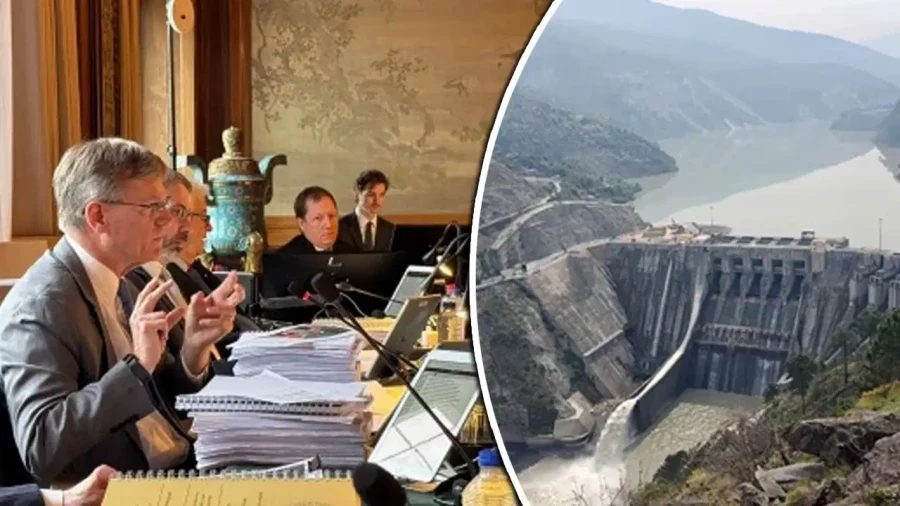
The situation reached a breaking point following a cowardly terrorist attack in Pahalgam, Jammu and Kashmir, in April 2025. In response, the Indian government took decisive action by immediately suspending the 1960 Indus Waters Treaty. India's Cabinet Committee on Security sent a direct and stern message to Pakistan, stating that terrorism and the benefits of bilateral treaties can't coexist. " Under this new policy, India has completely stopped sharing river water data, cancelled annual meetings, halted mutual project inspections, and ceased participation in international court proceedings related to the treaty.
Impact on Pakistan and India's Strategic Shift
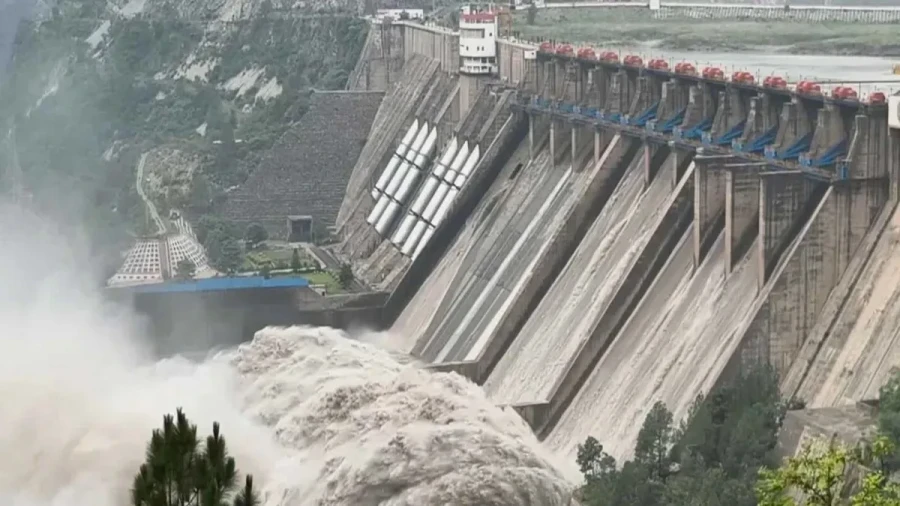
India's decision has sent shockwaves through Pakistan, creating an atmosphere of panic, while pakistan is heavily dependent on the western rivers flowing from India, which account for nearly 80 percent of its agriculture and drinking water supply. Already grappling with severe economic crisis, inflation, and political instability, Pakistan fears that if India accelerates dam construction or controls water flow beyond the previous legal constraints, it will face widespread famine and drought. Pakistan's attempts to corner India on international platforms have failed, as India has made it clear that the treaty won't be restored until there is a complete and permanent cessation of cross-border terrorism. Meanwhile, India has fast-tracked work on hydroelectric projects like Kishanganga and Ratle in Jammu and Kashmir, which had been stalled for years due to Pakistani hurdles.