
- India,
- 20-Jul-2026 08:35 AM IST



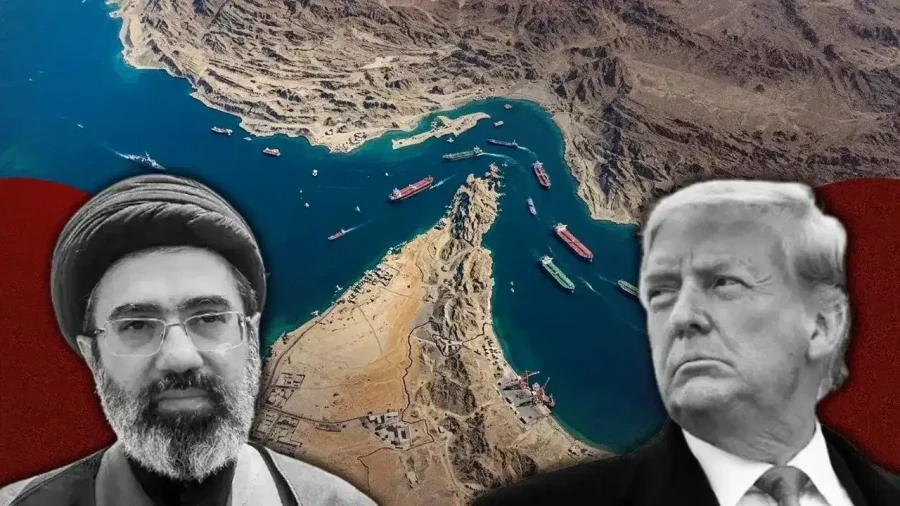
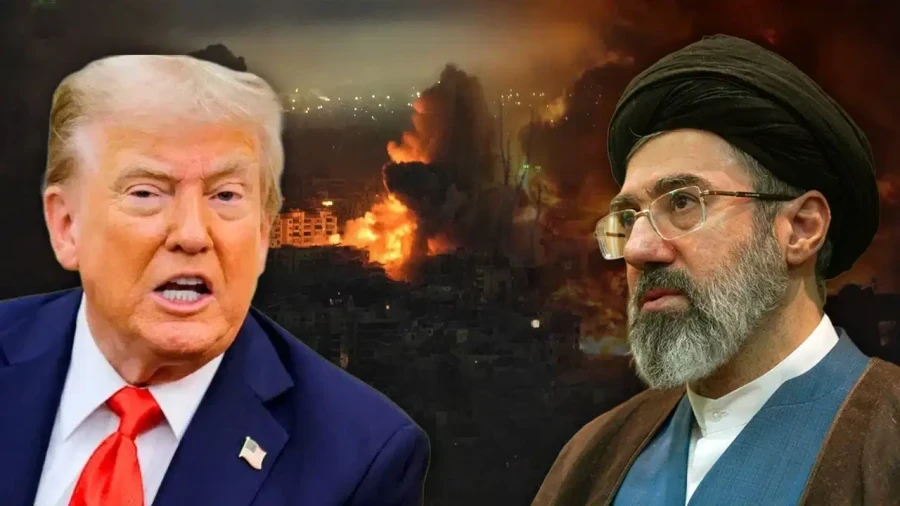
The geopolitical landscape of the Middle East is currently witnessing a severe escalation as the United States and Iran move closer to a state of full-scale war. This dangerous shift follows the collapse of an interim agreement that was established last month with the aim of permanently ending hostilities, while as a direct consequence of this breakdown, maritime traffic in the strategic Strait of Hormuz has largely come to a standstill, creating significant ripples in global commercial shipping and regional stability.
US Central Command Intensifies Air Operations
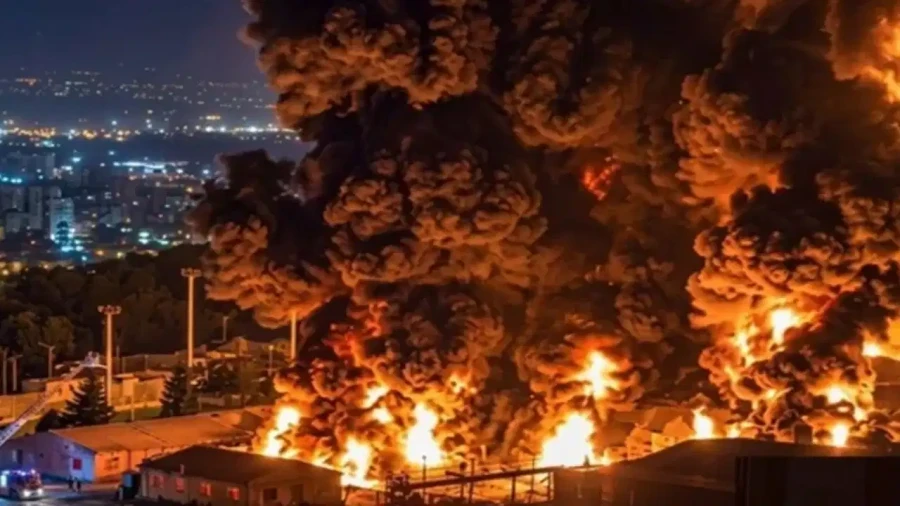
Early this morning, the United States military confirmed the commencement of a new round of air strikes specifically targeting Iranian positions. These operations, conducted by the US Central Command (CENTCOM), mark the ninth consecutive night of military action, while according to an official statement from Central Command, these strikes are designed to systematically degrade Iran's military capabilities. The primary objective is to neutralize assets that have been utilized to launch attacks against commercial vessels and innocent sailors navigating through the Strait of Hormuz, ensuring the safety of international waters.
Casualties and Military Developments in Iraq
The human cost of the conflict continues to rise as military engagements intensify. The US military announced the death of another soldier on Sunday, coinciding with the launch of additional air strikes. This latest fatality occurred in Iraq during a process to destroy an Iranian drone in a controlled manner after it had been downed on Saturday. This incident brings the total number of US military personnel killed since the onset of the current hostilities to 17. Plus, the military reported that unidentified remains were discovered on Sunday following a previous attack where a soldier had gone missing; these remains are currently undergoing forensic investigation to confirm their identity.
Targeting Critical Infrastructure
The scope of the military engagement has expanded to include vital civilian and strategic infrastructure on both sides. US forces have targeted a variety of facilities within Iran, including bridges, desalination plants responsible for removing salt from water, and essential power facilities. These strikes target infrastructure upon which millions of people depend for their daily needs. In retaliation, Tehran has directed its military focus toward US allies across the Middle East, prompting a regional defensive response and heightening the sense of emergency among neighboring nations.
Regional Escalation and Israel's Warning
The conflict is no longer contained within the borders of the primary combatants and is rapidly spreading across the region. Iran has launched missiles toward Jordan, a move that has Notably increased the risk of the conflict spilling over into neighboring Israel. In response to the incoming threats from Iranian drones and missiles, countries such as Kuwait, Jordan, and Bahrain have reactivated their air defense systems to protect their airspace. Israel has issued a stern warning, noting that the missiles fired toward Jordan could cause the flames of war to reach Israeli territory for the first time in several weeks. The US military maintains that these strikes are a necessary response to the killing of its soldiers in Jordan last Friday, which was reportedly carried out by the Iranian paramilitary Revolutionary Guard.