
- India,
- 22-Oct-2026 07:34 AM IST



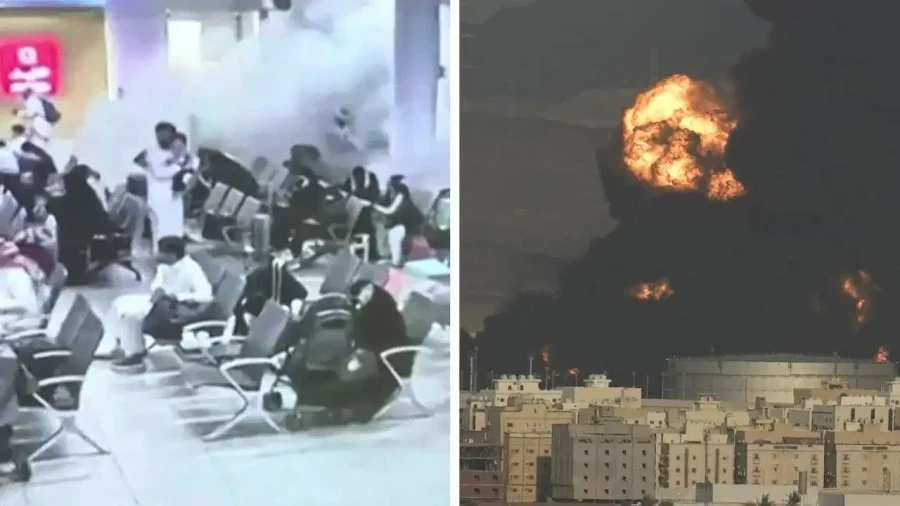
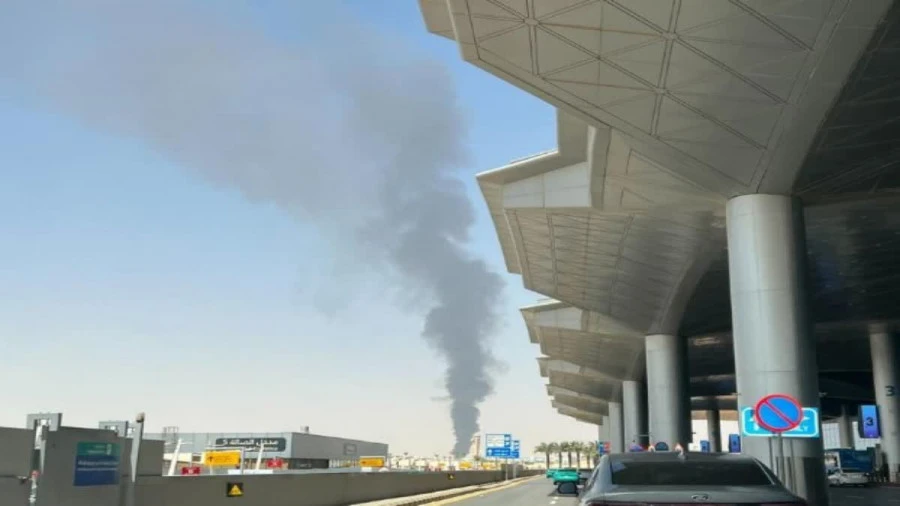
In a major escalation of hostilities in the Middle East, a deadly attack struck the strategically vital King Fahd International Airport in Dammam, located in eastern Saudi Arabia near the Persian Gulf waters surrounding Bahrain and Qatar. According to official statements released by the Saudi Civil Aviation Authority early Thursday morning, the devastating strike resulted in the tragic death of one resident and left eight other individuals with varying degrees of injuries. The assault, which occurred late Wednesday night, also caused significant physical damage to the sprawling airport infrastructure, while following the incident, flight-tracking service Flightradar24 took to the social media platform X to inform the public that incoming flights bound for the airport were immediately diverted to alternative routes to ensure passenger and aviation safety.
Silence from Houthi Rebels and Shadows of Past Strikes
While the brazen attack sent shockwaves through regional and international authorities, officials have notably refrained from publicly identifying who carried out the assault, withholding further specific operational details, while the incident adds to a long and troubling history of Houthi missile and projectile attacks that have repeatedly targeted major airports across Saudi Arabia. Interestingly, the Iran-backed Houthi movement has not yet issued any official comment or claim of responsibility regarding this specific airport strike. Meanwhile, the Saudi-led coalition reported that it successfully intercepted and neutralized four drone attacks targeting the kingdom's eastern region. However, the failure to prevent the late Wednesday night strike on King Fahd International Airport, which claimed the life of a Saudi resident and injured eight people while causing tangible infrastructure damage, has highlighted persistent vulnerabilities in regional defense systems.
United States Issues Urgent Evacuation and Departure Order
In the wake of the escalating violence and mounting security concerns, the United States government took swift and decisive action late Wednesday night. Washington issued an official order directing certain diplomats and the family members of US government employees to depart Saudi Arabia immediately. This emergency measure was enacted in direct response to a series of lethal attacks carried out within the country by Yemen's Iran-backed Houthi rebels, coupled with growing fears that the ongoing regional conflict is poised to expand dangerously. The United States continues to prioritize the safety of its diplomatic personnel amid an increasingly volatile security landscape.
Aramco Oil Field Hit, Foreign Nationals from Nepal, Philippines, Pakistan, and India Impacted
This latest airport attack unfolded concurrently with another grim announcement from the Saudi Ministry of Energy, which reported a separate fatal incident at an Aramco-operated oil field in the country's southeast. According to the ministry, a hostile drone was intercepted and destroyed in the area, but falling debris from the intercepted projectile struck the ground, tragically killing two people and injuring two others. The ministry confirmed that the two individuals who lost their lives in the oil field incident were foreign nationals hailing from Nepal and Philippines, while those who sustained injuries included citizens from Pakistan and India, underscoring the expanding human toll of these cross-border attacks on expatriate workers.
Prior Month's Escalation and Aramco Administrative Facility Fire
The security situation in Saudi Arabia has grown increasingly precarious over recent weeks, marked by a sharp uptick in hostile operations. Just last month, falling debris from a Houthi drone that was intercepted and destroyed over the kingdom resulted in the death of a Yemeni resident living in Saudi Arabia. That incident had marked the first civilian death reported since Houthi forces dramatically intensified their aerial campaigns targeting Saudi shipping lanes and vital oil infrastructure. On top of that, the Ministry of Energy had previously disclosed earlier this month that a major administrative building belonging to Aramco—housing one of the world's largest oil facilities situated in Saudi Arabia's Eastern Province—caught fire during a similar hostile attack, illustrating the persistent and relentless nature of the threats facing the kingdom's critical energy assets.