
- India,
- 21-Oct-2026 09:20 PM IST



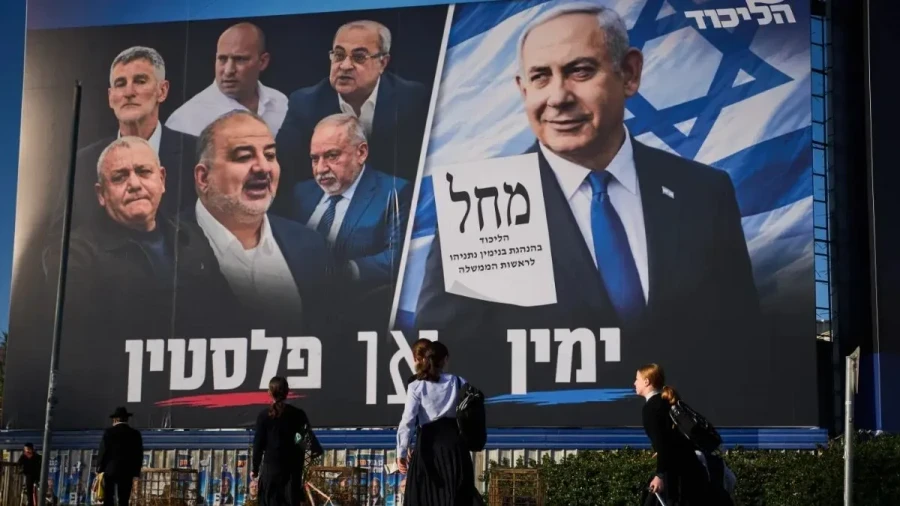
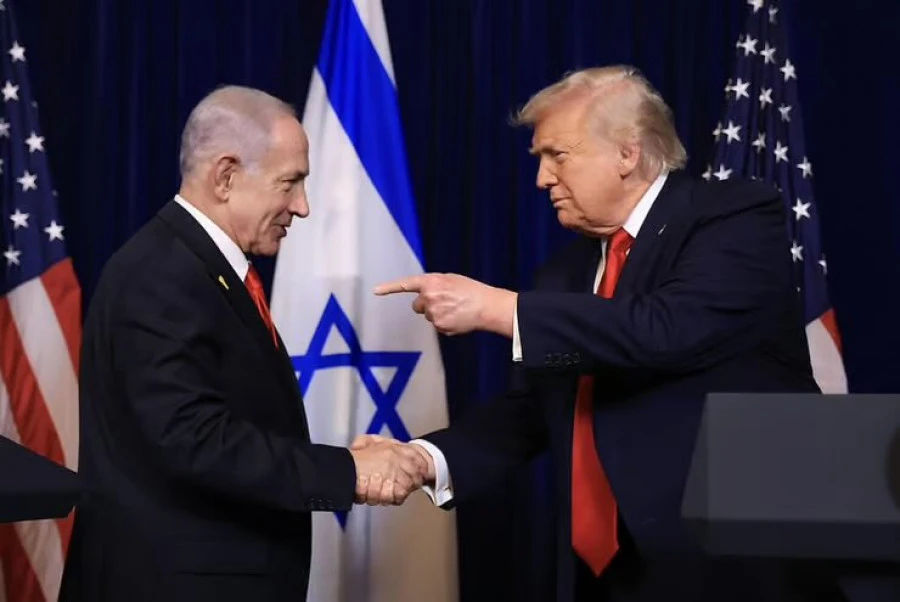
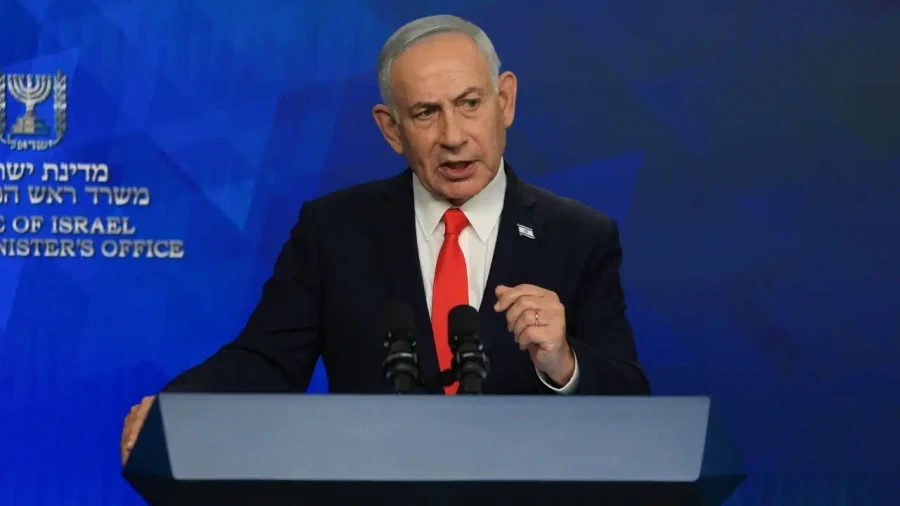
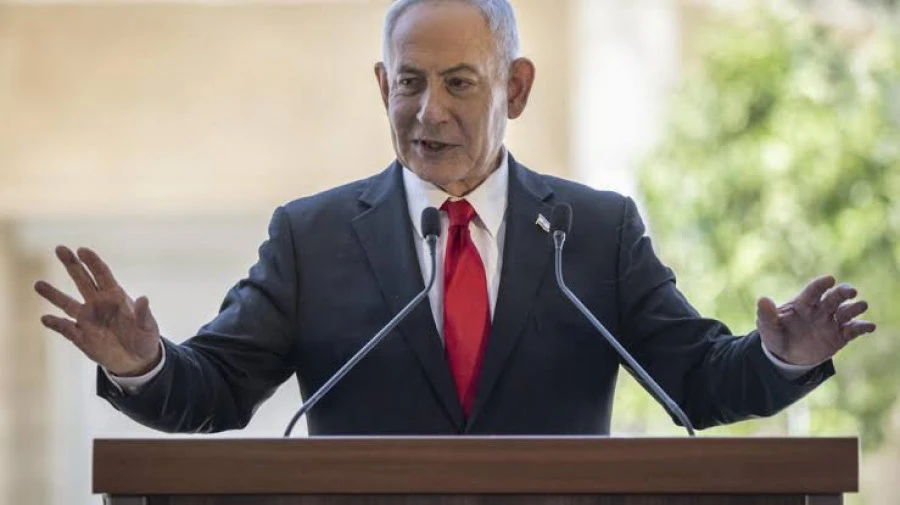
Political activity in Israel has intensified dramatically as Israeli citizens head to the polls on October 27th. This marks the country's sixth general election since 2019, and notably, the first time in 38 years that the parliament is going to elections after completing its full term. The outcome of this election will determine whether Benjamin Netanyahu extends his record as Israel's longest-serving prime minister or if he will be forced to leave office. This general election is particularly significant not only for Israel but for the entire Middle East, as it's the first general election following the violence with Palestinians in Gaza and the Iran-Israel war.
Israel's electoral system differs Notably from those of India, the United States, and other nations. Citizens don't directly vote for a prime ministerial candidate; instead, they vote for political parties, and seats are subsequently allocated to these parties. Voters in Israel don't cast ballots for a direct prime minister or a local member of parliament. Instead, the public votes for parties, and seats are distributed based on vote share, allowing the leader who secures a parliamentary majority to form the government. The Israeli parliament, known as the Knesset, consists of a total of 120 seats, requiring the support of at least 61 members of parliament to form a government.
The term of the parliament is four years, and there are no term limits for the prime minister. 25 percent of the total valid votes. Following the election, seats are distributed nationwide in proportion to the percentage of votes received by each party; for instance, a party receiving 30 percent of the vote secures approximately 30 percent of the seats. In Israel's electoral history, no single party has ever won 61 seats independently. Consequently, becoming the largest party doesn't guarantee holding power. After the results are announced, parties have 28 days to form a coalition, which can be extended by an additional 14 days. If support from 61 lawmakers can't be gathered during this period, the country must hold new elections, with the incumbent prime minister remaining in power until a new leader is chosen.
Governments Cannot Be Formed Without Coalitions
To date, no government in Israel has been formed without adhering to the principles of coalition politics. This is inherently due to the country's system, while 25 percent threshold are wasted. Consequently, smaller factions merge before every election. Ahead of this cycle, Netanyahu's coalition partner, the New Hope party, is merging with Likud. Between April 2019 and 2022, Israel witnessed five elections. On one occasion, the government led by Netanyahu and Benny Gantz collapsed within a year, while in 2021, Naftali Bennett and Yair Lapid formed an eight-party coalition to end Netanyahu's 12-year rule, though that administration lasted for about a year before Netanyahu returned to power in November 2022.
How the Bader-Ofer Law Works
Once votes are tallied, the Bader-Ofer law determines how many seats in parliament each party receives. This operates in two distinct steps.
25 percent threshold are combined to calculate the total relevant votes, while votes for parties falling below the threshold are excluded. This total is then divided by 120 to determine the value of a single seat in terms of votes. Each party's total vote count is divided by this number to award whole seats, disregarding any decimal fractions in this initial phase.
The second step addresses the remaining fractional seats, which are distributed sequentially through an auction-like mechanism. Each party calculates its bid by dividing its total vote count by its current number of seats plus one. The party with the highest bid receives a seat, and its bidding power is recalculated accordingly. This process continues until all 120 seats are fully distributed.
Consider this practical example: suppose Party A receives 100,000 votes and holds 2 seats, resulting in a quotient of 100,000 divided by 3, which equals 33,333. Party B receives 80,000 votes and holds 1 seat, giving a quotient of 80,000 divided by 2, which equals 40,000. Party C receives 50,000 votes and holds 1 seat, resulting in 25,000. In this scenario, Party B holds the highest quotient at 40,000, and thus wins the next seat. Party B's seat count then increases to 2, and its next quotient is calculated by dividing 80,000 by 3. The quotients of all parties are compared again, and this iterative process continues until every seat is allocated.
Who Can Vote and Who Cannot?
2 million Palestinian-origin Israeli citizens. 5 million Israelis in the occupied West Bank and East Jerusalem are permitted to vote. However, approximately 3 million adult Palestinians living in Gaza, the West Bank, and East Jerusalem don't vote in Israeli government elections, even though Israel maintains control over their borders, movement, and legal status.
The majority of Palestinians in East Jerusalem hold residency status rather than Israeli citizenship, precluding them from voting in Knesset elections, though they're eligible to participate in municipal council elections. Plus, absentee voting arrangements aren't available for Israelis living abroad; physical presence in the country is mandatory to cast a ballot, with exceptions granted only to diplomats and government representatives stationed at Israeli missions overseas.
How Much Israel's System Differs From India
The most fundamental difference between the electoral systems of India and Israel is that India's elections focus on local candidates, whereas Israel's elections are entirely party-based. In India's system, a party securing a slightly higher margin of votes can achieve a landslide victory, whereas Israel distributes seats strictly in proportion to vote share, ensuring representation for smaller parties, while forming and sustaining coalitions in Israel is exceptionally challenging, which explains the frequent recurrence of elections. More crucial than the results of October 27th will be determining which faction can successfully secure the magic number of 61 seats. Currently, both Netanyahu's bloc and the opposition bloc appear to fall short of a clear majority.