
- India,
- 21-Oct-2026 09:23 PM IST



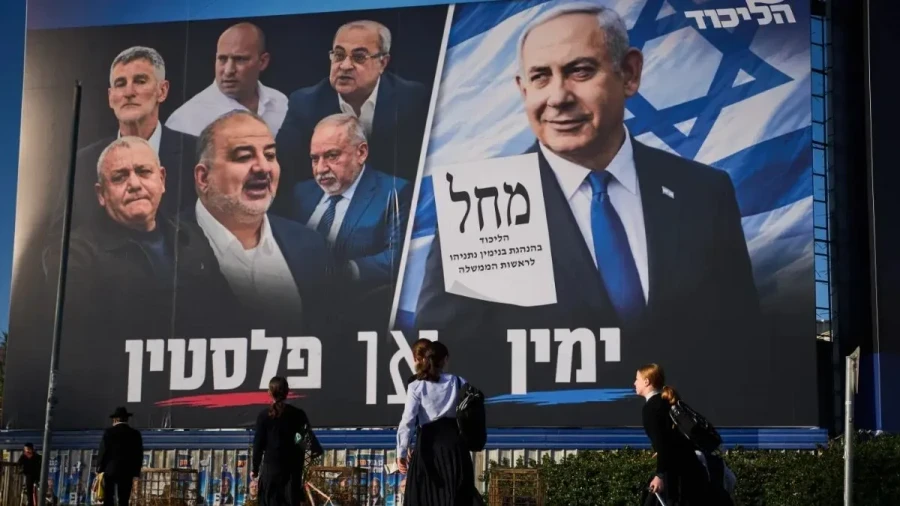
All eyes around the world are firmly fixed on the upcoming elections in Israel scheduled for next week on October 27. Following the Hamas-led attacks on October 7, 2023, the nation has witnessed profound questions raised concerning ongoing warfare and national security. Voters will now determine whether Prime Minister Benjamin Netanyahu should be granted another term in office or if a pathway toward political transformation should be opened across the country. Recent electoral surveys indicate a tight and fierce race between Netanyahu's nationalist Likud party and the centrist Yashar party led by his principal challenger Gadi Eisenkot.
How Governments are Formed within the Israeli Political Framework
Voters in Israel don't directly cast their ballots to elect the prime minister; instead, citizens cast votes for political parties, while subsequently, these parties engage in coalition-building negotiations to establish a functioning government. The country's 120-seat parliament is formally designated as the Knesset. Throughout history, no single political party has ever secured an absolute majority on its own within the parliament. Consequently, securing support from diverse and varied factions is an absolute necessity for forming a government following any election. This time around as well, inter-party alliances and mutual political compromises are expected to dictate the overarching direction of the forthcoming government.
Benjamin Netanyahu's Longstanding Political Dominance
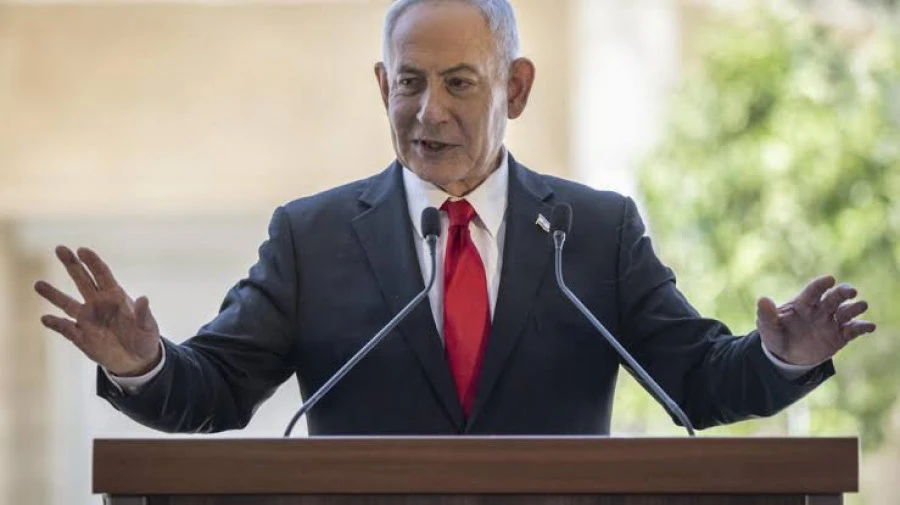
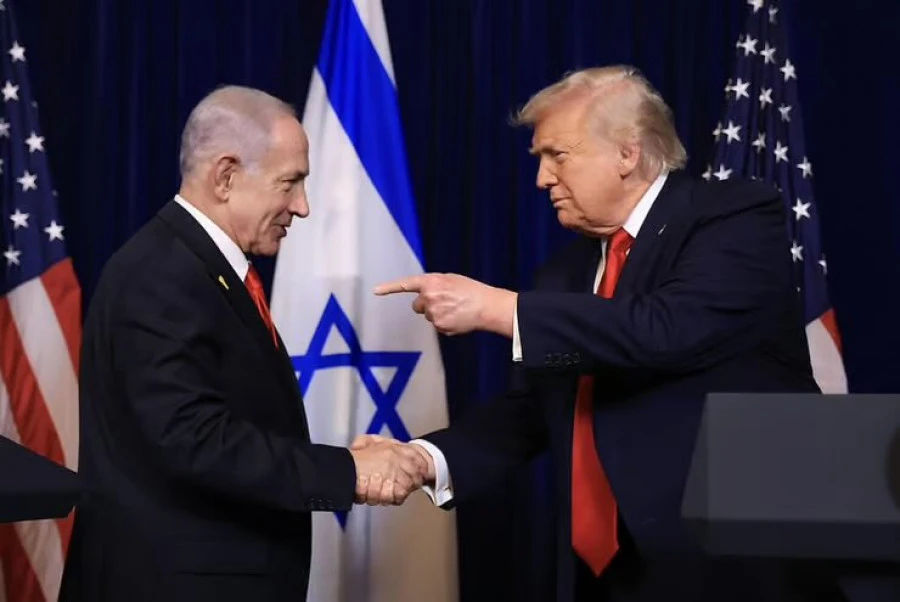
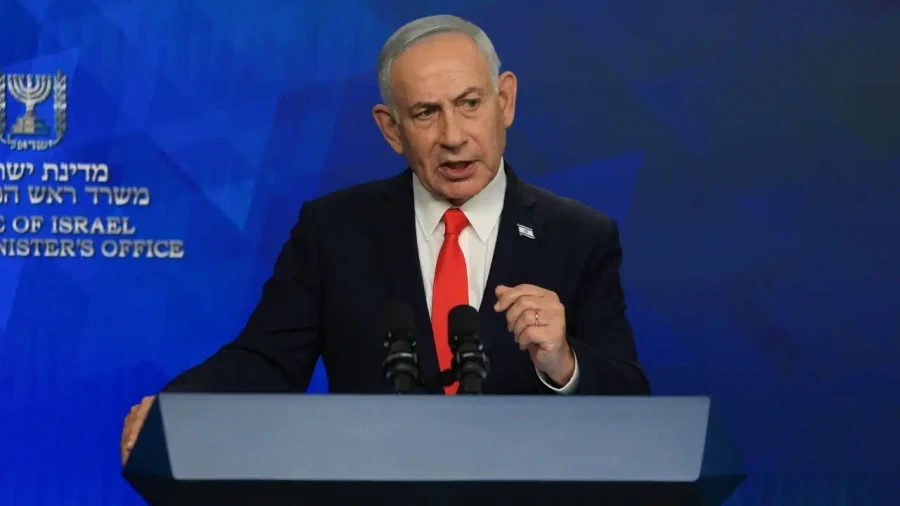
Benjamin Netanyahu, aged 77, stands as the longest-serving prime minister in the history of Israel. He serves as the leader of the Likud party and has maintained a dominant grip over the nation's political landscape for a prolonged period. Despite enduring warfare, persistent political crises, controversies, and catastrophic events such as the attacks of October 7, 2023, he has continuously fought to retain his grip on power. His devoted supporters view his track record regarding national security and economic stewardship as paramount. Also, his close ties with United States President Donald Trump have served as a significant talking point for his base, with Trump himself voicing direct support for Netanyahu.
Allegations of Security Lapses and Severe Legal Battles
Conversely, Netanyahu's vocal opponents argue forcefully that he bears direct responsibility for the severe intelligence and security failures that preceded the attacks of October 7, 2023. Critics also subject the prime minister's handling of the ongoing military campaign in Gaza to intense scrutiny, while in the year 2024, the International Criminal Court issued an arrest warrant against Netanyahu concerning allegations of war crimes and crimes against humanity. In addition to these international pressures, he has been confronting protracted legal battles within Israel for numerous years, facing formal charges of fraud, breach of trust, and bribery, though Netanyahu has consistently denied all accusations leveled against him.
Former Military Chief Gadi Eisenkot Emerges as Major Rival
Gadi Eisenkot, aged 66, is a former chief of the general staff of the Israel Defense Forces. Born into a working-class family of Jewish immigrants hailing from Morocco, he dedicated nearly four decades of his life to military service, steadily climbing the ranks to attain the highest military office. Following his entry into the political arena in 2022, he now commands leadership of the centrist Yashar party, which has been described by analysts as the nation's largest opposition force. In the wake of the October 7 attacks and the subsequent warfare in Gaza, both his son and two nephews were killed. This profound personal tragedy deeply impacted both his personal and public political standing.
Eisenkot was initially appointed as an observer within Netanyahu's wartime cabinet; however, after approximately eight months, he tendered his resignation from the post. His primary contention was that the prime minister lacked a coherent or clear strategy concerning the management of the war. Subsequently, he positioned himself as a viable centrist alternative to Netanyahu, although his stance regarding national security matters remains decidedly firm, while eisenkot is widely credited with conceptualizing Israel's so-called Dahiya Doctrine, a military strategy that involves the application of massive and disproportionate military force in areas from which militant attacks originate. Should he successfully forge a coalition and form a government, he would make history as Israel's first prime minister of Mizrahi origin. The Mizrahi community comprises Jews originating from North Africa and the Middle East, a demographic that has historically encountered discrimination from the dominant European-origin establishment.
Former Prime Minister and Right-Wing Figure Naftali Bennett Enters the Fray
Naftali Bennett, aged 54, is a prominent right-wing and religiously conservative political figure. He's currently spearheading a joint electoral alliance named Beyakhad, which translates to Together, alongside centrist leader Yair Lapid. Bennett staunchly opposes the establishment of an independent Palestinian state and actively champions the ongoing expansion of Jewish settlements within the occupied West Bank. Prior to entering the Knesset in 2013, Bennett served as the chief of staff to Benjamin Netanyahu. He also previously headed the Yesha Council, an umbrella organization representing municipal councils within Israeli settlements. His former conservative Yamina party previously captured 7 seats, leveraging those mandates to assemble a diverse coalition comprising leftist and Arab factions.
Bennett assumed the premiership in 2021 under a rotational power-sharing agreement that also incorporated Yair Lapid. Despite sharing Netanyahu's hardline stance concerning Palestinians, Bennett harbors deep-seated political disagreements with him. Tensions between the two leaders have historically centered around crucial national security decisions and Netanyahu's ongoing confrontations with the Israeli judicial system. The extent to which Bennett and Lapid's joint alliance can successfully consolidate anti-Netanyahu sentiment during the upcoming polls remains a critical electoral variable.
Hardline Right-Wing Leader Itamar Ben-Gvir Advocates Aggressive Policies
Itamar Ben-Gvir, aged 50, currently serves as Israel's minister of national security. He's widely recognized across the political spectrum for his ultra-right ideology and frequently contentious public remarks. He has accumulated multiple criminal convictions over his lifetime, including a conviction associated with supporting a designated terrorist organization. He leads the Otzma Yehudit, or Jewish Power party, an ultra-nationalist faction whose strong performance in preceding elections helped secure him a prominent cabinet portfolio. A trained attorney by profession, Ben-Gvir initially gained public notoriety by legally defending right-wing Jewish extremists accused of committing acts of violence against Palestinians.
During his adolescent years, Ben-Gvir was rejected for military conscription by the army due to his extreme political views. He was an ardent follower of Meir Kahane, a racist rabbi who openly advocated for the expulsion of Palestinians from Israel, Gaza, and the West Bank. Ben-Gvir has voiced support for a controversial plan advocating the voluntary migration of roughly 2 million Palestinians out of the Gaza Strip, alongside calling for the re-establishment of Jewish settlements inside Gaza. These uncompromising viewpoints epitomize the rigid policies championed by the right wing within Israeli politics. The share of seats secured by his party following the election will inevitably influence government policies and the trajectory of Netanyahu's coalition.
Mansour Abbas Champions Local Issues as Voice for the Arab Community
Mansour Abbas, aged 52, is a Palestinian-Arab citizen of Israel and a dentist by trade. Hailing from northern Israel, he leads the Ra'am party, an Islamist political faction. In 2021, his party made history by becoming the first Arab-led faction to join an Israeli governing coalition, marking a watershed moment in domestic politics that elevated the benefit from of Arab political parties in government formation.
Abbas's deliberate political strategy focuses heavily on prioritizing local socioeconomic grievances within Arab communities—such as combating rampant crime and improving municipal services—rather than centering campaigns exclusively on polarizing macro-political disputes like the Israeli-Palestinian conflict. He maintains that addressing these grassroots concerns can yield increased parliamentary representation and foster viable coalition-building partnerships with other parties. Expanding this pragmatic strategy, Abbas placed Yoav Segalovitch, a former police commander and centrist Jewish politician, in the second slot on Ra'am's electoral list, signaling an intent to broaden the party's appeal. Abbas has served as a member of the Knesset since 2019, and his party's parliamentary yield could prove indispensable in breaking legislative stalemates if major blocs fail to secure an outright majority.
Significance and Implications of the Upcoming Israeli Electoral Contest
The impending Israeli election transcends a conventional contest to determine the nation's prime minister; it serves as a referendum on national security doctrines, the management of the Gaza conflict, policies concerning Palestinians, and the overarching direction of domestic governance. While loyal supporters of Netanyahu lean heavily on his extensive governance experience and security credentials, his adversaries emphasize perceived security lapses and wartime mismanagement. Concurrently, Gadi Eisenkot presents himself as a credible alternative, while figures such as Naftali Bennett, Itamar Ben-Gvir, and Mansour Abbas position their respective factions to exert profound use during post-election coalition negotiations.