
- India,
- 19-Oct-2026 05:27 PM IST



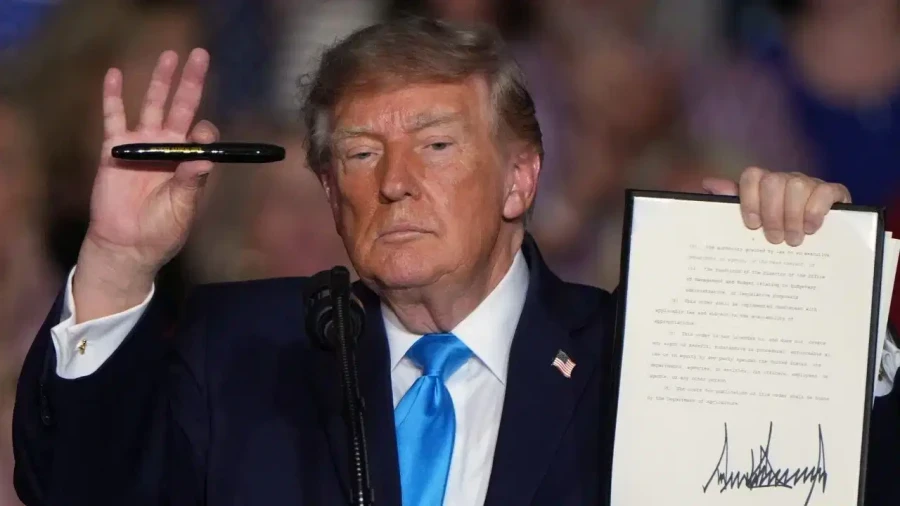
US President Donald Trump has actively pursued a policy of openly supporting his preferred and ideologically aligned leaders in elections across various countries worldwide. He frequently utilizes social media platforms to release direct messages in favor of candidates and aggressively amplifies their core electoral agendas. Continuing this pattern, he has recently extended his open and public support to Israeli Prime Minister Benjamin Netanyahu, while amidst the impending power struggles and parliamentary elections in Israel, Trump's announcement has become a major subject of intense discussion in international politics. The core question is whether Trump's endorsement will yield electoral benefits for Netanyahu and if securing his hold on power will prove exceedingly difficult for Netanyahu this time around.
During his second term, US President Donald Trump has been directly involved in the electoral processes of four distinct foreign nations. In all four countries, Trump deployed extensive diplomatic and public efforts to secure victories for his favored candidates, yielding fascinating and varied outcomes. Let us examine the specific impacts of Trump's interventions across these four nations—Honduras, Japan, Hungary, and Colombia—alongside their prevailing political climates.
1. Honduras: Overt Warning to Withhold Aid Prior to Elections
Presidential elections were scheduled in Honduras in November 2025. Just prior to the elections, US President Donald Trump threw his weight behind conservative candidate Nasry Asfura, openly endorsing his candidacy, while trump issued a stern warning to Honduras, stating that if Nasry Asfura failed to win the election, substantial cuts could be implemented in financial aid provided by the United States or international bodies. Plus, Trump targeted Asfura's primary opponent, Salvador Nasralla, launching critical remarks against him. This intervention by Trump sparked serious international controversy regarding direct interference in the internal democratic elections of a sovereign nation. Following the voting in Honduras, intense disputes erupted over the tabulation of votes, and after a prolonged delay, Nasry Asfura was officially declared the winner on December 24, 2025.
53 percent. Consequently, Trump's favored and endorsed candidate secured victory by an extremely narrow and razor-thin margin, while however, political analysts emphasized that the endorsement by US President Trump alone couldn't be regarded as the sole cause or absolute guarantee of Nasry Asfura's victory, as local domestic conditions also heavily influenced the electoral outcome.
2. Japan: Trump's Strong Message Endorsing Sanae Takaichi
General elections were scheduled to be held in Japan in February 2026. Prior to these elections, US President Donald Trump openly voiced his support for Japanese Prime Minister Sanae Takaichi and her political coalition. In his public message, Trump portrayed Sanae Takaichi as an immensely popular leader and addressed the Japanese populace, asserting that these elections were critically important for the future security and prosperity of Japan. Subsequently, polling took place in Japan on February 8, 2026, where the coalition led by Sanae Takaichi delivered a stellar performance, securing a massive and decisive victory. This electoral triumph was viewed favorably in line with Trump's endorsement, though the domestic sentiment of the local electorate also strongly favored the coalition.
3. Hungary: Viktor Orban Backed by Trump, Yet Suffered Defeat
Elections for the position of Prime Minister of Hungary were scheduled for April 2026. In this electoral contest, Trump invested significant political capital in supporting incumbent Hungarian Prime Minister Viktor Orban. Notably, US Vice President JD Vance traveled to the Hungarian capital of Budapest just ahead of the elections, delivering aggressive speeches in support of Orban and urging Hungarian voters to back his continuation in office to preserve strong bilateral ties. Despite these extensive American efforts and high-level diplomatic engagements, Viktor Orban's party suffered a crushing defeat in the elections.
In the Hungarian elections, the Tisza Party, led by Peter Magyar, achieved remarkable success by securing a clear and decisive majority in parliament. According to political reports, widespread voter dissatisfaction stemmed from long-standing economic stagnation, pervasive corruption, and Hungary's gradual international isolation. This outcome in Hungary served as compelling evidence that the open backing of a US President doesn't constitute a guaranteed electoral victory for any foreign leader if the domestic populace remains deeply dissatisfied with governmental performance.
4. Colombia: Victory for Trump-Endorsed Candidate Abelardo de la Espriella
Presidential elections were held in Colombia in June 2026. In this race, Trump offered strong and vocal support to Colombian presidential candidate Abelardo de la Espriella. The US President explicitly stated that the outcome of the election would prove vital to bilateral relations between Colombia and the United States, while during the second round of the presidential election, Abelardo de la Espriella successfully claimed victory. 70 percent.
Trump's interference in the Colombian election drew sharp condemnation from the country's incumbent President, Gustavo Petro. President Gustavo Petro publicly stated that when a powerful nation intervenes in the internal affairs and electoral decisions of another sovereign state, the freedom and independence of that nation are directly compromised, while despite this controversy, the Trump-backed candidate successfully clinched the presidency.
Israel: Trump's Unabashed and Aggressive Support for Benjamin Netanyahu
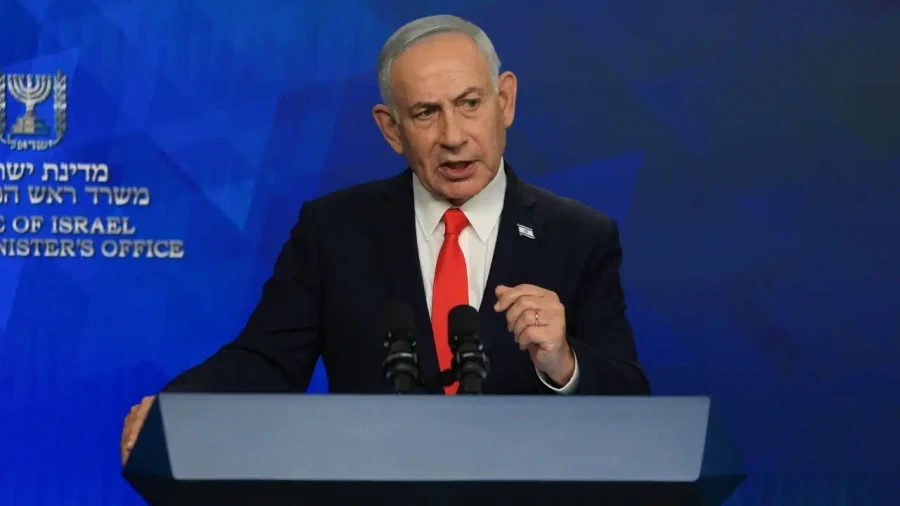
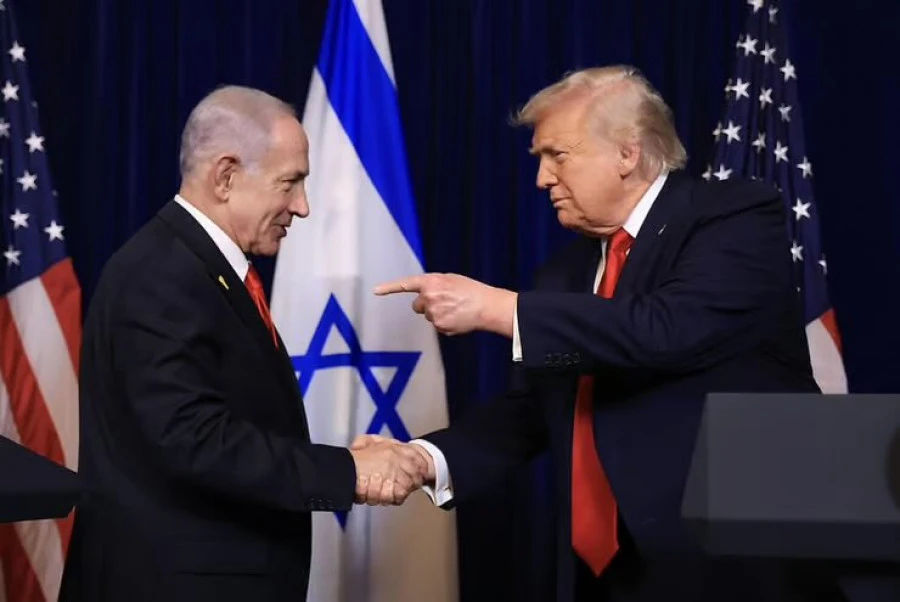
Turning to Israel, where parliamentary elections are scheduled for October 27, US President Donald Trump published an extensive and explicit message of support for Israeli Prime Minister Benjamin Netanyahu on his official social media platform, Truth Social, on October 18. Praising Netanyahu, Trump described him as an exceptionally strong, courageous, and steadfast leader who has persevered through extremely difficult and perilous circumstances. Directly addressing the Israeli public, Trump expressed his complete backing and endorsement for the re-election of Benjamin Netanyahu as Prime Minister.
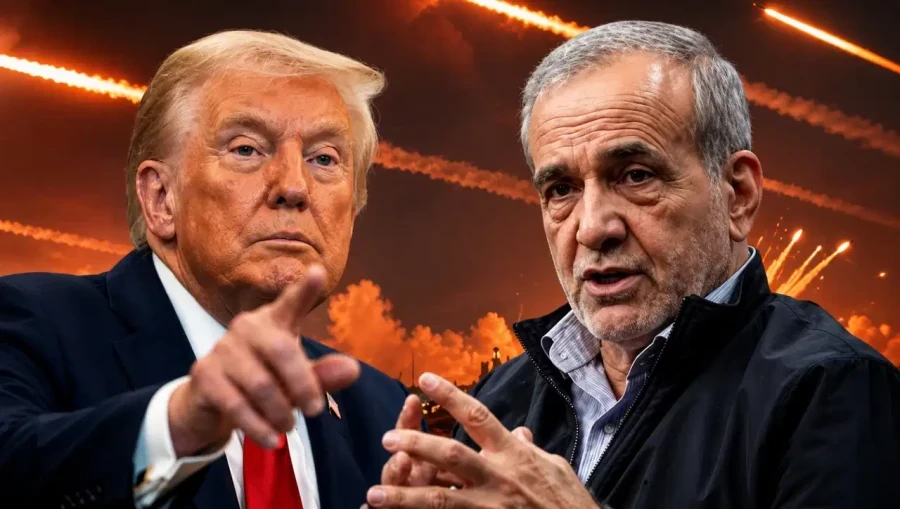
In his endorsement message, Trump made specific reference to ongoing military actions against Iran. He issued a warning to the Israeli electorate, suggesting that should Israeli voters choose an alternative leader to bring to power, the United States might be forced to undertake this hazardous task independently, while parliamentary elections are set for October 27 in Israel, where voters don't directly elect a prime minister. Instead, they cast ballots for representatives across the 120 seats of the parliament, the Knesset.
To form a government within the Israeli parliament, any political party or coalition requires a minimum majority threshold of 61 seats. Opinion polls and pre-election surveys conducted prior to the vote indicated that Benjamin Netanyahu's coalition was trailing somewhat behind the political opposition, though no single faction was projected to secure a definitive outright majority, while consequently, the question of whether Trump's open endorsement can propel Netanyahu to electoral victory becomes increasingly salient.
Can Trump's Endorsement Secure Victory for Netanyahu in Israel?
International affairs and political experts remain deeply divided on this critical question, while ilana Shpaizman, a renowned political studies expert at Israel's Bar-Ilan University, maintains that US President Trump's endorsement is unlikely to generate any significant shift in the fundamental political views or mindset of Israeli voters. According to her analysis, Netanyahu's staunch supporters are already well aware of the deep and close ties connecting Trump and Netanyahu, while Netanyahu's vocal critics harbor distinct and deeply rooted grievances that remain unaffected by outside endorsements.
Conversely, a former political adviser and prominent political commentator to Benjamin Netanyahu argued that Trump's public endorsement could infuse Netanyahu's campaign trail with renewed and substantial energy, while however, a recent report by The Times of Israel highlighted a striking finding from a survey conducted by the Israel Democracy Institute, which revealed that public trust among Israeli citizens in US President Trump regarding national security had plummeted sharply from roughly 70 percent down to 42 percent.
This steep decline was recorded in the aftermath of direct warfare with Iran and its ensuing regional fallout. Consequently, analysts suggest that while Donald Trump's endorsement may heavily galvanize Netanyahu's loyal and dedicated base, it by no means guarantees that new and undecided voters will turn out in large numbers to cast their ballots in his favor.
הנשיא טראמפ: "לעם ישראל הגדול: בנימין נתניהו היה ראש ממשלה לוחם דגול, ושותף גדול עוד יותר לשלום במאבק נגד הרפובליקה האסלאמית של אירן, עם הקריאה שלה בת ה-51 שנה: 'מוות לישראל, מוות לאמריקה! נשמיד את השטן הקטן ואת השטן הגדול'. איזו מדינה יכולה לשרוד כאשר מאפשרים להשמיע אמירות כאלה, שהרי בסופו של דבר הן תמיד מתגשמות? זו הייתה רק שאלה של זמן עד שאירן הייתה מוציאה לפועל את הסיסמה המאיימת הזאת. אולם היא הושמדה באופן שיטתי, הן מבחינה צבאית והן מבחינה כלכלית, ואם לא תשנה את דרכיה במהירות, בקרוב נשלים את המלאכה. אם לישראל יהיה מנהיג שגוי, כלומר כל אדם מלבד ביבי, אמריקה תצטרך לבצע את העבודה הזאת בעצמה, ואין לי נטייה לעשות זאת. בנימין נתניהו היה חזק, אמיץ ומבריק לנוכח התנגדות אדירה, לרבות התנגדות שהגיעה אפילו מתוך ישראל עצמה. למרות כל זאת, הוא החזיק מעמד, ולמעשה אף שגשג! צפיתי בביבי בתקופות הקשות ביותר. גברים ונשים רגילים היו קורסים תחת הלחץ במצבים כאלה - אבל ביבי לא קרס. למעשה, הוא רק התחזק, והוא שומר על אותה עוצמה גם כיום. זהו סוג השותף שארצות הברית של אמריקה דורשת מישראל - מדינה שהיא עשתה למענה רבות כל כך. אנא ראו במכתב זה הבעת תמיכה מלאה ומוחלטת שלי בבנימין נתניהו במירוץ הקרוב שלו לבחירה מחדש לראשות ממשלת ישראל. ביבי נתניהו לעולם לא יאכזב אתכם! תודה על תשומת הלב לעניין זה. דונלד ג’יי. טראמפ נשיא ארצות הברית של אמריקה".
— Benjamin Netanyahu - בנימין נתניהו (@netanyahu) October 18, 2026