
- India,
- 23-Jul-2026 06:15 PM IST



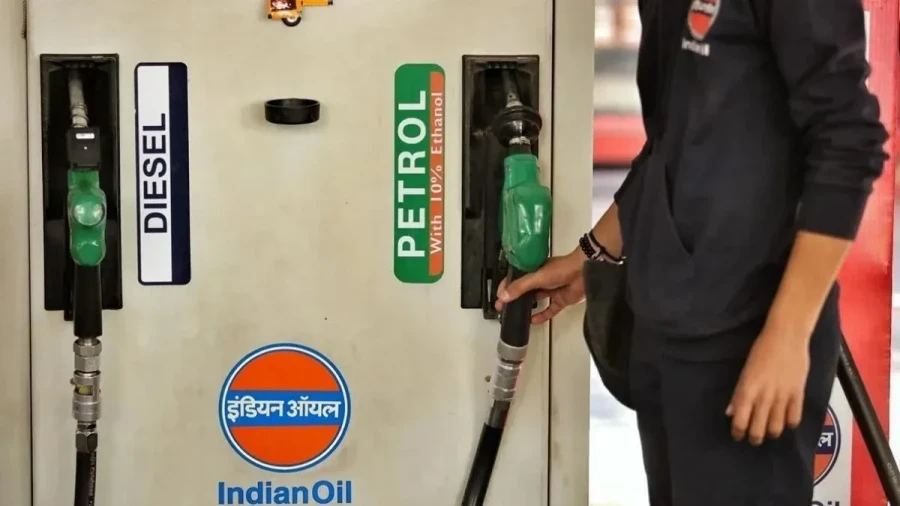
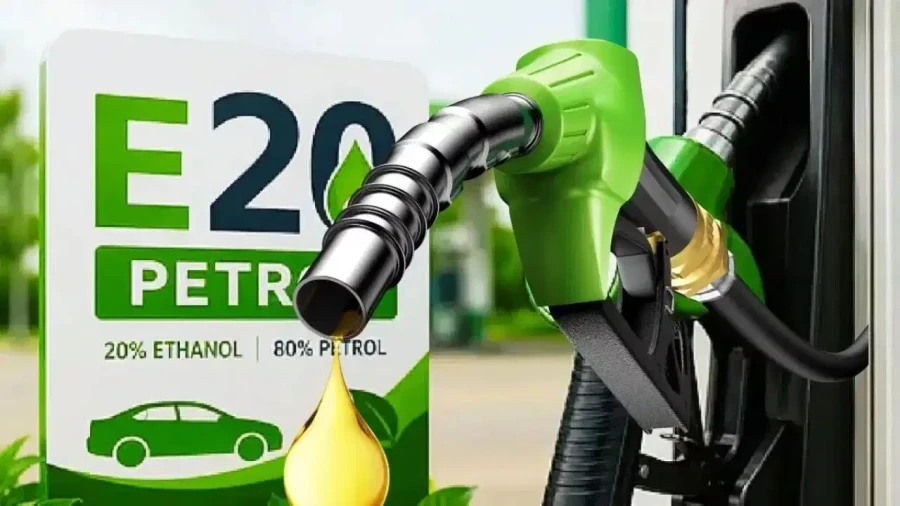
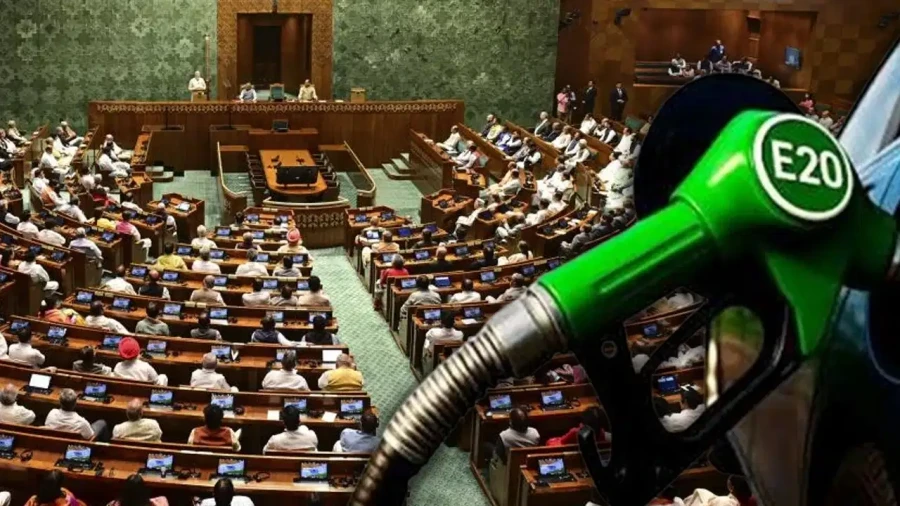
The Government of India has officially clarified its stance on the future of fuel standards in the country, stating that there will be no return to non-ethanol blended petrol. In a significant announcement made in Parliament, the Union Minister of State for Petroleum and Natural Gas, Suresh Gopi, provided a detailed response regarding the progress and future of ethanol blending in India. The government has made it clear that the transition to 20 percent ethanol-blended petrol, known as E20, is a permanent move towards a more technologically advanced, cleaner, and safer fuel standard. The minister emphasized that the government's policy is focused on moving forward towards superior technology rather than regressing to inferior standards like E0 or E10 petrol.
Achievement of Blending Targets Ahead of Schedule
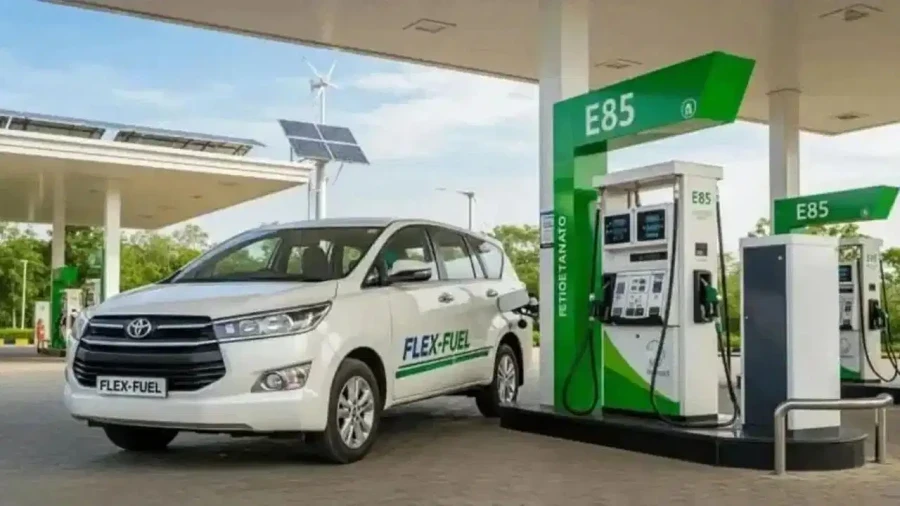
India has marked a historic milestone in its energy journey by achieving the 20 percent ethanol blending target five years earlier than originally planned. According to the data presented in Parliament, the progress of ethanol blending has seen a rapid upward trajectory over the last few years, while in the fiscal year 2022-23, the average ethanol blending stood at approximately 12 percent. 6 percent. 2 percent. Finally, in the period between November and June of the fiscal year 2025-26, the country successfully reached the 20 percent blending mark. While this target has been met, the government clarified that there is currently no decision to increase the blending percentage beyond 20 percent for general supply. On top of that, the E85 fuel, which contains 85 percent ethanol, remains reserved and certified only for specialized flex-fuel vehicles and isn't part of the standard petrol supply chain.
Addressing Concerns Over Engine Safety and Durability
The government also took the opportunity to address and dismiss various concerns circulating on social media and in certain media reports regarding potential engine damage or reduced vehicle lifespan due to ethanol blending. Minister Suresh Gopi stated that extensive laboratory testing and field validation have been conducted to ensure the safety of E20 fuel. These tests were carried out by prestigious organizations, including NITI Aayog, Indian Oil Corporation Limited (IOCL), the Automotive Research Association of India (ARAI), the Indian Institute of Petroleum (IIP), and the Society of Indian Automobile Manufacturers (SIAM). The data gathered from these real-world usage scenarios and controlled tests prove that E20 fuel doesn't cause any abnormal damage or excessive wear and tear to vehicle engines. To further support this, the government cited data from a leading passenger vehicle manufacturer in India. 5 crore were older models not originally certified for E20. Despite this, there were no reported complaints of engine failure or damage attributed to ethanol blending. Currently, more than 20 crore two-wheelers and over 3 crore petrol cars are operating on E15+ and E20 blends across the country without any major technical issues.
Impact on Vehicle Mileage and Performance
Regarding the impact on fuel efficiency, the government provided a transparent explanation. It was clarified that vehicle mileage depends on a variety of factors, including individual driving habits, the quality of vehicle maintenance, and prevailing road conditions. For older vehicles specifically designed for E10 fuel, the use of E20 might result in a minor reduction in mileage, estimated at a maximum of 3 to 5 percent. However, the government highlighted a significant technical advantage: E20 fuel possesses a higher Octane Rating compared to traditional petrol. This higher octane level contributes to better vehicle acceleration, improved ride quality, and overall enhanced engine performance, which compensates for the slight variation in fuel efficiency for many users.
Economic and Environmental Benefits for the Nation
The ethanol blending program has delivered substantial benefits to the Indian economy and the environment. 97 lakh crore rupees. By reducing the reliance on imported fuel, India has managed to cut down crude oil imports by approximately 316 lakh metric tonnes. From an environmental perspective, the program has led to a reduction of approximately 952 lakh metric tonnes in carbon dioxide (CO2) emissions, contributing to India's climate goals. Also, the initiative has been a major boost for the agricultural sector. 66 lakh crore rupees as a result of the increased demand for ethanol production, ensuring their welfare and financial stability.
Robust Grievance Redressal Mechanism
To ensure consumer confidence and address any issues related to E20 fuel, Public Sector Oil Marketing Companies (OMCs) have established a solid grievance redressal system. Consumers have multiple avenues to register their complaints or provide suggestions. These include complaint books available at petrol pumps, dedicated toll-free helpline numbers, official company websites, and mobile applications. Also, consumers can use social media platforms and the Centralized Public Grievance Redress and Monitoring System (CPGRAMS) portal. The government assured that all complaints are addressed and resolved within a stipulated timeframe, ensuring a smooth transition for all vehicle owners across the country.