
- India,
- 24-Sep-2026 12:51 PM IST



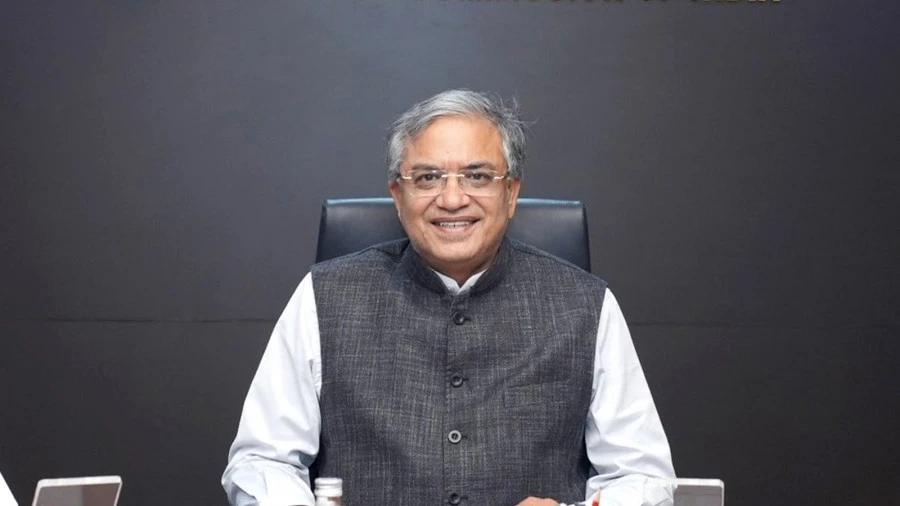
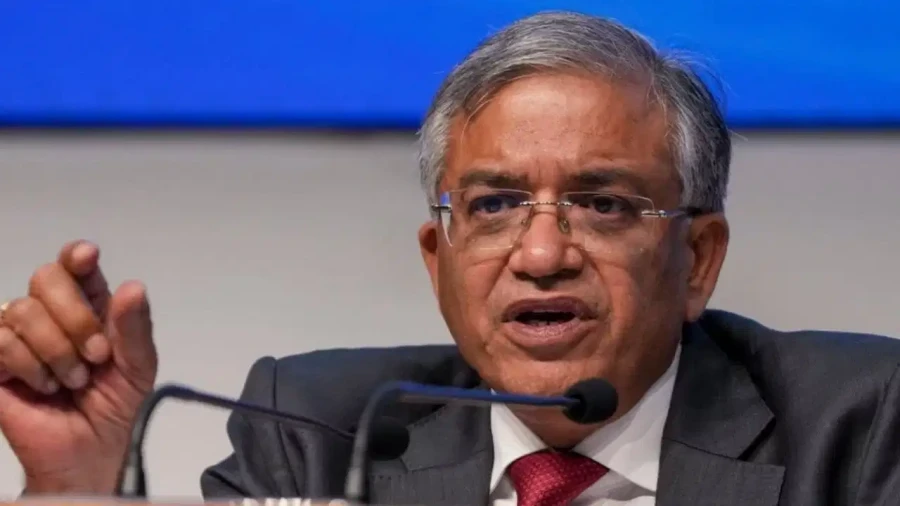
Chief Election Commissioner Gyanesh Kumar has found himself at the center of a significant legal and political controversy following media reports alleging internal friction within the Election Commission of India. In a major development, a Supreme Court lawyer has formally sought permission to initiate criminal contempt proceedings against the Chief Election Commissioner, while this move comes after claims surfaced that the multi-member body was being operated in a manner that sidelined other commissioners, raising questions about the institutional integrity and the collective decision-making process of the poll panel.
Legal Action Initiated by Supreme Court Lawyer
Advocate Brajesh Singh, a practitioner at the Supreme Court, has written a formal letter to the Attorney General of India, R. Venkataramani, seeking his mandatory consent to proceed with criminal contempt action against Gyanesh Kumar. In his communication, Singh highlighted concerns regarding the independence and impartiality of the Election Commission. The lawyer's letter relies heavily on recent media disclosures which suggest that the Chief Election Commissioner has been managing the multi-member commission as if all decisions were the prerogative of a single individual. Singh argued that such a functioning style directly contradicts the established legal framework and the precedents set by the Supreme Court in its previous judgments regarding the multi-member structure of the commission.
The Requirement of Attorney General's Consent
According to the prevailing legal rules, any individual wishing to initiate contempt of court proceedings in the Supreme Court against a high-ranking official must first obtain written permission from either the Attorney General or the Solicitor General. At this stage, the matter remains a request for permission to start the proceedings and isn't yet a court order, while the stance taken by Attorney General R. Venkataramani on this letter will be a critical factor in determining whether the case moves forward in the judicial system. The legal fraternity and political circles are closely watching the Attorney General's next steps in this sensitive matter.
Allegations of Internal Discord and 14 Written Objections
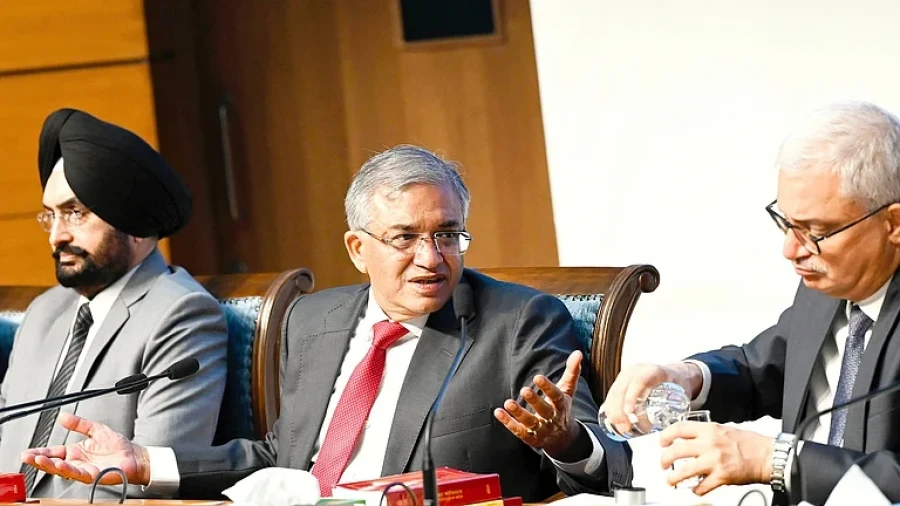
The controversy gained momentum following a report by The Indian Express, which claimed that Gyanesh Kumar had been taking significant decisions without the prior knowledge or consent of the other two Election Commissioners, while the report detailed that over the past 10 months, the other two members of the commission, Sukhbir Singh Sandhu and Vivek Joshi, have officially recorded their objections at least 14 times. These two commissioners have alleged that several vital decisions and orders were issued while keeping them in the dark, while the nature of these objections is said to be serious, touching upon the core administrative and electoral functions of the body.
Specific Issues: Form 6 and ECINet
The objections raised by Commissioners Sandhu and Joshi reportedly include changes made to Form 6, which is used for voter registration. The two members described these changes as unauthorized and illegal. Also, the dispute involves the centralization of the electoral database and issues related to the addition, deletion, and restoration of voter names during the Special Summary Revision (SSR). The commissioners also raised questions about the new centralized IT system of the Election Commission, known as ECINet. Another startling revelation in the report was that no formal meeting of the full Election Commission was conducted for a period of nearly 4 months between May and August.
Election Commission's Official Clarification
As the controversy intensified, the Election Commission issued a clarification to address the allegations. The commission maintained that all decisions, including those related to the Special Summary Revision, were taken with the approval of all three Election Commissioners, while the official response stated that differing opinions or comments during internal meetings are a normal part of the institutional process and shouldn't be interpreted as a breakdown or a split within the commission. The ECI emphasized that such internal deliberations are a sign of a healthy democratic process within the organization.
Political Fallout and Allegations of Hijacking
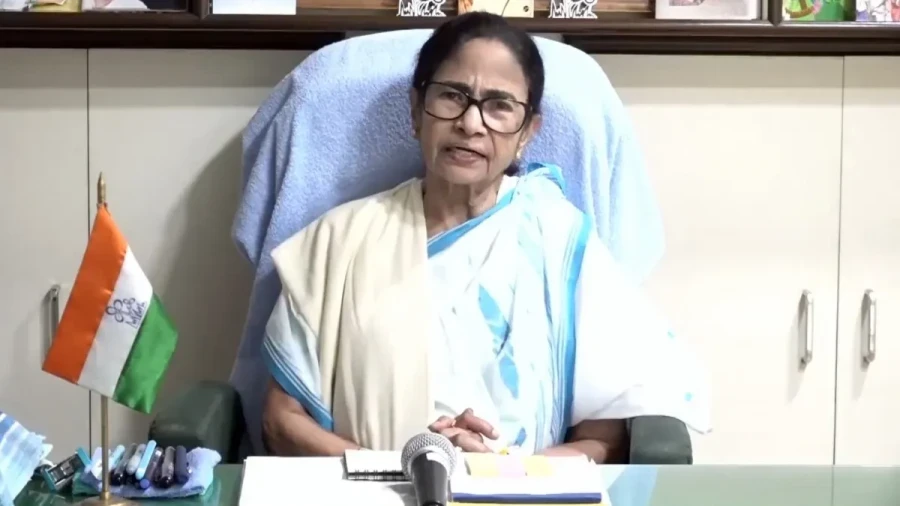
The disclosures have triggered a sharp reaction from the opposition parties, who have united in their criticism of the Chief Election Commissioner and the central government, while the Congress party has accused Gyanesh Kumar of hijacking the Election Commission. Senior leader Priyanka Gandhi stated that the matter shouldn't be taken lightly, while Rahul Gandhi termed it a direct attack on the Constitution and described it as an act of treason. Other prominent leaders, including Samajwadi Party chief Akhilesh Yadav and former Chief Minister Mamata Banerjee, have also launched scathing attacks on the government and the poll body. The future course of this controversy now rests on the Attorney General's decision and the subsequent judicial proceedings if the permission is granted.