

- India,
- 01-Dec-2025 07:54 AM IST


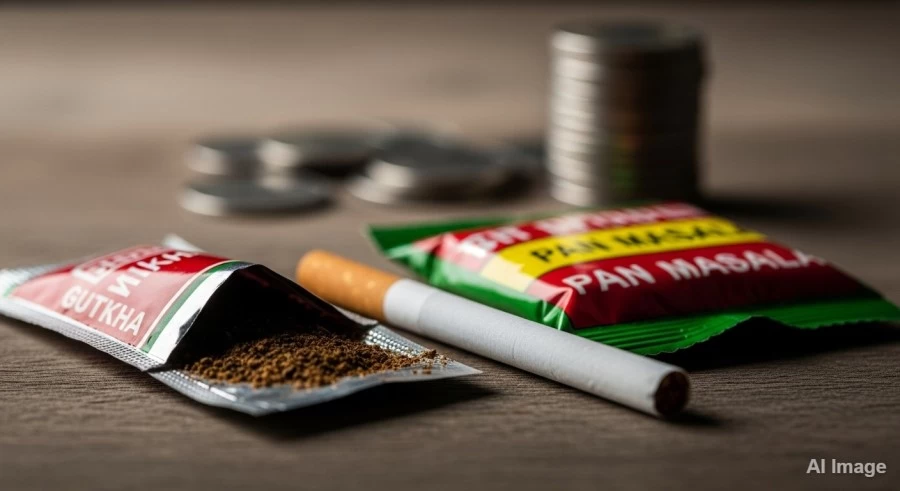
The government is preparing to introduce two new bills in Parliament aimed at maintaining the existing tax burden on 'sin goods' such as tobacco and pan masala. This move comes as the GST compensation cess is set to expire, and. The government seeks to ensure that the tax impact on these products remains consistent. The passage of these bills could lead to an increase in. The prices of gutkha, cigarettes, and pan masala, directly affecting consumers.
Purpose of the New Legislation
Finance Minister Nirmala Sitharaman is expected to present the Central Excise Amendment Bill 2025 and the Health Security to National Security Cess Bill 2025 in the Lok Sabha on Monday. The Central Excise Amendment Bill 2025 is designed to replace the. GST compensation cess on tobacco products like cigarettes by imposing excise duty. Concurrently, the Health Security to National Security Cess Bill 2025 will replace the compensation cess on pan masala. The primary objective of these bills is to raise funds to cover expenses related to national security and. Public health, by levying a cess on machines or other processes used to manufacture or prepare specific goods.
Current Taxation Structure
Currently, tobacco and pan masala are subject to a 28% GST. In addition to this, a compensation cess is also levied at varying rates on these products, while this cess was initially implemented on July 1, 2017, for a period of five years, until June 30, 2022, to compensate states for revenue losses incurred due to the implementation of GST.
Evolution of Compensation Cess
The compensation cess, initially introduced for five years, was later extended for another four years, until March 31, 2026. This extension was crucial for repaying loans that the central government had taken to compensate states for their GST deficits during the COVID-19 pandemic. As the repayment of these loans is anticipated to be completed by December, the compensation cess itself is set to terminate.
GST Council's Stance
On September 3, 2025, the GST Council had decided to continue the compensation cess on tobacco and pan masala until the outstanding loans were repaid. In contrast, the compensation cess on other luxury items concluded on September 22, when GST rates were streamlined into two tax slabs of just 5% and 18%, with a 40% rate designated for very expensive goods and aerated drinks. The Central Excise Amendment Bill 2025 and the Health Security to National Security Cess Bill 2025 are structured to ensure that the tax burden on intoxicating substances like tobacco and pan masala remains unchanged even after the compensation cess is discontinued. This implies that the prices of these products won't decrease; instead, new taxes will be imposed to maintain the existing tax burden, potentially leading consumers to pay the same or even higher prices. This aligns with the government's policy of maintaining high taxation on 'sin. Goods' to generate essential funds for public health and national security initiatives.
