

- India,
- 11-Feb-2026 10:24 AM IST


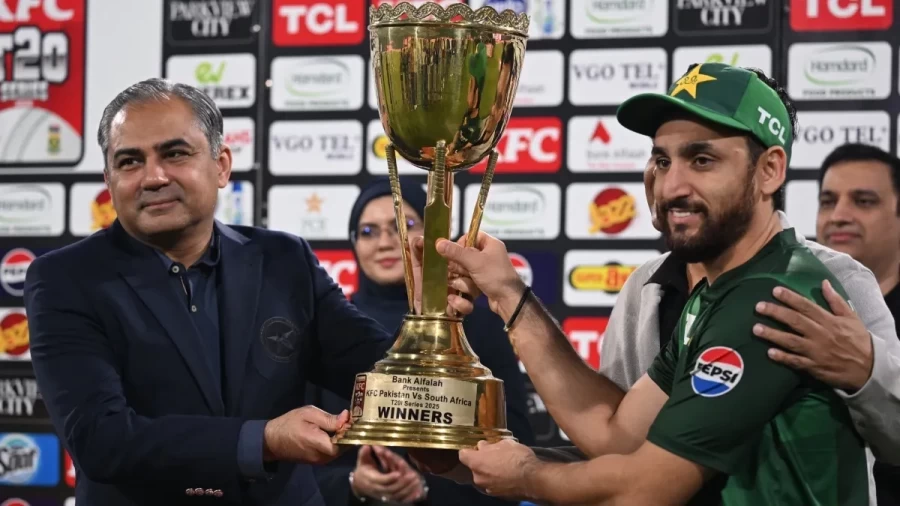
Pakistan Cricket Board (PCB) Chairman Mohsin Naqvi has categorically dismissed media reports claiming that Pakistan demanded the resumption of bilateral cricket series with India as a condition for participating in the T20 World Cup 2026. Naqvi clarified that no such demands were placed during the recent high-level meetings with the International Cricket Council (ICC) delegation. This clarification comes after days of uncertainty regarding the high-voltage India-Pakistan match scheduled for February 15 in Colombo.
The cricketing world had been on edge for nearly a week following reports of a potential boycott by Pakistan. However, the Pakistan government eventually reversed its stance, allowing the team to proceed with the match. Speaking to the media in Peshawar, Naqvi addressed the speculations that had linked Pakistan's participation to future cricketing ties with India, emphasizing that the discussions were focused on different administrative matters.
Formal Denial of Bilateral Series Demands
During his interaction with journalists, Mohsin Naqvi stated that the PCB didn't raise the issue of bilateral cricket series with India during the recent ICC meetings, while he termed the reports as "baseless," refuting claims that Pakistan sought a commitment for a series—the first since 2012-13—in exchange for playing the World Cup match. According to Naqvi, Pakistan's primary objective was to address specific grievances within the cricketing framework rather than pursuing a separate political or sporting agenda regarding India.
Focus on Bangladesh Cricket Board Issues
The PCB Chairman revealed that the crux of the discussions with the ICC was centered on issues related to the Bangladesh Cricket Board (BCB), while he noted that Pakistan's stance was aimed at highlighting perceived injustices against Bangladesh and ensuring they received fair treatment and respect on the international stage. Naqvi stated that once the ICC accepted the demands related to Bangladesh and provided necessary assurances, the Pakistan government decided to move forward with the tournament, while he maintained that there were no personal or political interests involved in these negotiations.
ICC Assurances and Future Hosting Rights
Minutes before Pakistan's official confirmation of participation, the ICC issued a statement describing Bangladesh's absence from the T20 World Cup as unfortunate. Crucially, the ICC clarified that no sanctions or bans would be imposed on the BCB. Plus, the global governing body assured that Bangladesh would be considered for hosting ICC events during the 2028-31 cycle. This assurance appears to have been the deciding factor for the PCB, which had been vocally supporting the interests of the Bangladesh board throughout the standoff.
Strategic Analysis by Experts
According to sports analysts, Pakistan's recent maneuvers were a strategic attempt to assert influence within the ICC while navigating complex regional dynamics. Experts suggest that the commercial weight of an India-Pakistan fixture is so significant that the ICC and broadcasters were under immense pressure to resolve the deadlock. Analysts believe that by framing the issue around Bangladesh's interests, the PCB found a diplomatic exit strategy from its boycott threat without appearing to concede directly to external pressures. This highlights the growing importance of regional alliances in international cricket governance.
So, to wrap up, Mohsin Naqvi's statement has cleared the air regarding the immediate future of India-Pakistan cricketing engagements in the T20 World Cup. The match on February 15 is now set to proceed as scheduled, providing relief to fans and stakeholders alike. While the demand for a bilateral series has been denied for now, the long-term resumption of such ties remains subject to broader diplomatic developments between the two nations.
