

- India,
- 30-Jan-2026 09:08 AM IST


The geopolitical and economic landscape of South Asia has undergone a seismic shift following the historic Free Trade Agreement (FTA) between India and the European Union (EU). Signed on January 27, 2026, this landmark deal is being hailed as the 'Mother of All Deas' by global trade analysts, while the agreement, finalized between Indian Prime Minister Narendra Modi and EU President Ursula von der Leyen, connects a market of nearly 2 billion people, representing approximately 25 percent of the global GDP. While India celebrates this milestone, the news has caused widespread panic in neighboring Pakistan.
The Core of Pakistan's Anxiety
Pakistan's primary concern stems from the potential loss of its competitive edge in the European market. For years, Pakistan has relied heavily on the GSP+ (Generalized Scheme of Preferences. Plus) status to export its goods to the EU at preferential tariff rates. However, with India securing a comprehensive FTA, Indian products will now enjoy similar or even better access to the European market. The sheer scale of India's manufacturing sector and its superior quality control pose a direct threat to Pakistan's market share. Tahir Andrabi, spokesperson for the Pakistani Foreign Office, recently admitted that the government is in active communication with EU officials to mitigate the fallout.
Existential Threat to the Textile Sector
The textile industry is the backbone of Pakistan's economy, accounting for a significant portion of its total exports. Industry experts warn that the India-EU deal could lead to a massive diversion of orders from Pakistan to India. India's textile sector benefits from vertical integration, advanced technology, and high-value addition capabilities that Pakistan currently lacks, while pakistani exporters are sounding the alarm, predicting that the loss of European contracts could lead to the closure of thousands of factories and the loss of millions of jobs across the country, further destabilizing an already fragile economy.
Diplomatic Scramble in Islamabad
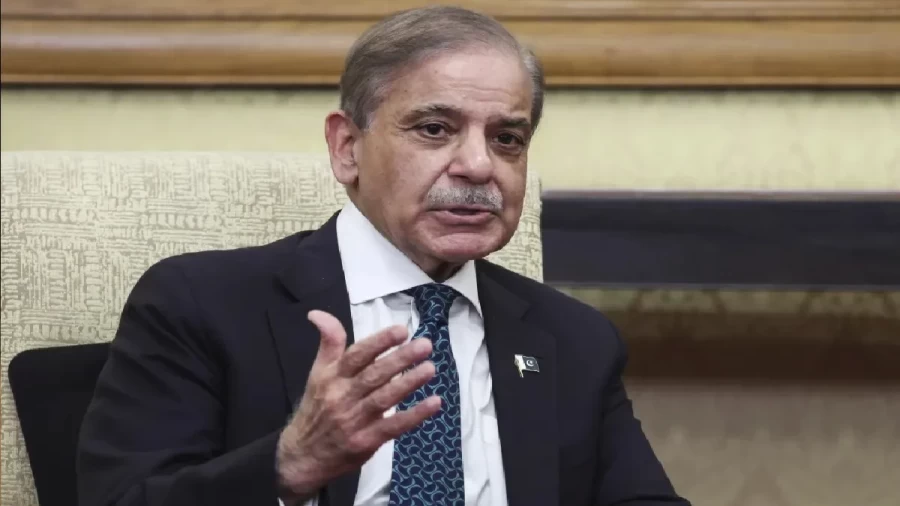
The Shehbaz Sharif administration has been forced into a diplomatic frenzy to protect its economic interests, while the Pakistani Ministry of Commerce and various diplomatic missions have been tasked with engaging European counterparts to ensure that Pakistan remains a relevant trade partner. However, economic analysts suggest that Pakistan's arguments may fall short against the backdrop of India's rising economic prowess and its status as a global investment hub, while think tanks in Islamabad have warned the government that without immediate structural reforms and the exploration of new markets, Pakistan's economic footprint in Europe could vanish.
India's Rising Global Influence
This FTA is more than just a trade agreement; it's a testament to India's growing influence on the world stage. As India moves toward becoming the world's third-largest economy, securing such a deal with a major economic bloc like the EU is a significant diplomatic victory. The agreement is expected to provide a massive boost to India's IT, pharmaceuticals, agriculture, and automobile sectors, while while India looks forward to a new era of prosperity, Pakistan is left grappling with the harsh reality of its declining competitiveness. The coming months will be crucial in determining how Pakistan navigates this unprecedented economic challenge.
