
- India,
- 18-Sep-2026 07:24 PM IST



The Government of India has officially voiced its profound concern regarding the rapidly deteriorating security situation in the Red Sea region, which has seen a significant escalation in conflict and instability. During a high-level press briefing, the Ministry of External Affairs (MEA) highlighted the growing threats to international maritime corridors, specifically focusing on the Bab al-Mandab Strait, which serves as a vital link between the Indian Ocean and the Red Sea. The Indian government has been closely monitoring the developments in this geographically sensitive area, noting that the increasing hostilities aren't only a regional issue but a matter of global maritime security.
Condemnation of Attacks on Saudi Arabia
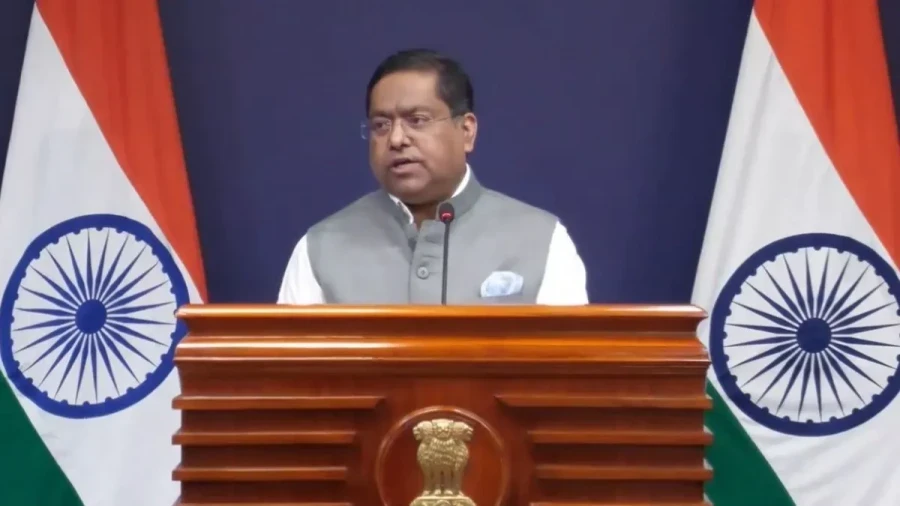
Randhir Jaiswal, the spokesperson for the Ministry of External Affairs, articulated India's firm stance against the ongoing violence. He stated that India strongly condemns the repeated attacks carried out by Houthi rebels across various regions of Saudi Arabia, while these attacks have targeted not only strategic locations but also innocent civilians and critical economic assets, which India views as a serious violation of international norms. The spokesperson specifically referenced a previous statement issued by the Indian government following an attempted attack on the holy city of Mecca, reiterating that such actions are entirely unacceptable and detrimental to the pursuit of peace in the Middle East.
Threat to Bab al-Mandab and Freedom of Navigation
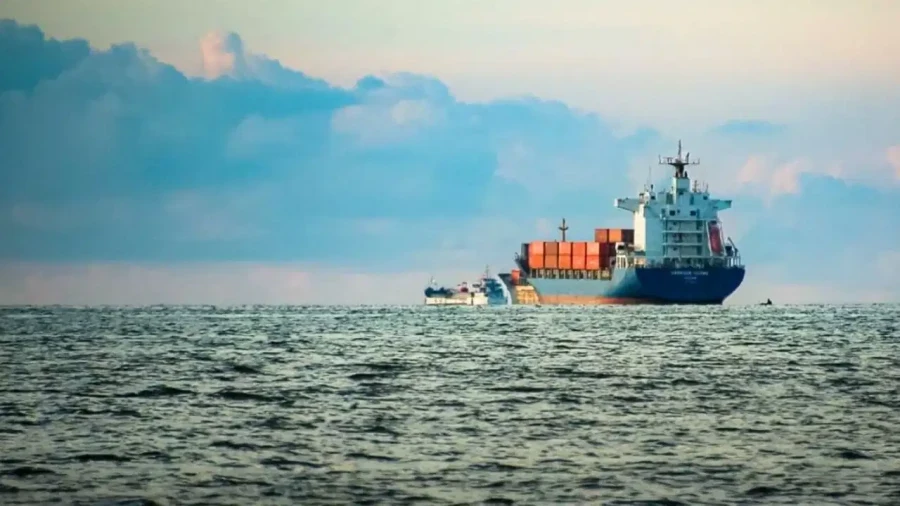
A major point of concern raised by the MEA is the threat to the freedom of navigation in the Bab al-Mandab Strait. Randhir Jaiswal emphasized that the continuous attacks and the expanding influence of Houthi rebels in this area are undermining regional security. The Bab al-Mandab Strait is one of the world's most important maritime trade routes, and any disruption to the free movement of vessels through this passage poses a direct threat to international commerce. India has expressed that the erosion of security in this strait is unacceptable for several reasons, primarily because it compromises the safety of maritime transit and destabilizes the economic equilibrium of the region.
Houthi Control and Strategic Implications
The MEA's statement comes at a critical juncture as reports indicate that Houthi rebels have Importantly increased their territorial control in strategic coastal areas. It has been noted that the rebels have seized control of several islands, including the strategically located Mayun Island within the Bab al-Mandab Strait. Plus, the Houthi forces have taken control of the Mokha port city in Yemen. This expansion of control has made it considerably easier for the rebels to target and intercept commercial vessels passing through the strait. India is particularly concerned about the potential for a complete blockade or severe disruption of this route, which would have a cascading effect on the trade and economy of India and other Asian nations.
Diplomatic Monitoring and Hopes for Peace
The Indian government, through its diplomatic channels and representatives, is maintaining a constant vigil on the evolving situation. Randhir Jaiswal mentioned that the government is receiving regular updates and is analyzing the impact of these developments on India's strategic interests. India has expressed a strong hope for the swift restoration of peace and stability in the war-torn region. The spokesperson concluded by reiterating that the current state of conflict is unsustainable and that the international community must prioritize the safety of maritime routes and the protection of civilian lives to ensure long-term regional security.