
- India,
- 13-Aug-2026 08:35 PM IST



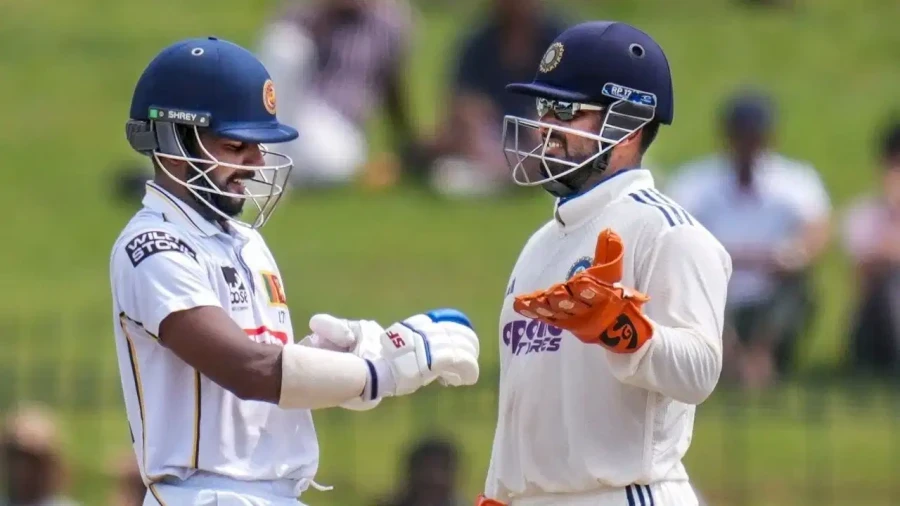
Ahead of the first Test match against Sri Lanka in Galle, Indian bowling coach Morne Morkel has issued a strategic warning to his fast bowlers regarding the unique challenges of the island nation. Morkel highlighted that the primary obstacle for the pace attack would be the rapid deterioration of the ball's hardness. According to the coach, the ball used in Sri Lankan conditions tends to become soft after just 150 to 200 deliveries, which roughly equates to 25 to 30 overs of play. This physical change in the ball Importantly reduces the window of opportunity for fast bowlers to exert dominance and pick up wickets through conventional pace and bounce.
The Technical Difference: Kookaburra vs SG Ball
Morkel explained the technical nuances that make bowling in Sri Lanka different from bowling in India. In Indian Test matches, the SG ball is utilized, which is known for its prominent and raised seam. This structural feature allows the SG ball to remain hard and maintain its shape for a much longer duration, providing consistent assistance to the bowlers. However, in Sri Lanka, the Kookaburra ball is the standard. The Kookaburra ball features an embedded or flatter seam, which causes it to lose its firmness much faster. Morkel noted that once the ball becomes soft, it becomes increasingly difficult for pacers to trouble the batsmen, making the initial overs of each spell critical.
Environmental Challenges and Tactical Adjustments
Beyond the equipment, Morkel pointed out that the local environment in Galle poses its own set of difficulties. He identified the intense heat and high levels of humidity as major factors that the bowling unit must contend with. To counter these conditions and the softening of the Kookaburra ball, Morkel has advised his bowlers to focus on short, high-intensity spells, while the strategy involves putting in maximum effort and maintaining precise line and length during these brief periods to maximize the impact before the ball loses its edge. He emphasized that while the team has the necessary skills and planning, executing them under the physical strain of the Sri Lankan climate will be the ultimate test.
Selection Dilemma: The Race for the Second Pacer
As India prepares for the Galle Test, the team management faces a crucial selection decision. While Mohammed Siraj is confirmed to lead the pace attack, the spot for the second fast bowler remains a point of contention. The competition is primarily between the experienced Prasidh Krishna and the rising talent Gurnoor Brar, while reports suggest that the team management is seriously considering handing a debut to Gurnoor Brar. Brar has made a strong case for himself following an impressive performance in the warm-up match. Also, his recent stint with India-A against Sri Lanka-A saw him claim a total of 10 wickets, showcasing his ability to take advantage of his height and pace to extract bounce even on subcontinental tracks. Former Sri Lankan cricketers have already identified Brar as a significant threat, adding weight to the possibility of his inclusion in the playing eleven.