

- India,
- 26-Jan-2026 09:35 AM IST


The upcoming Free Trade Agreement (FTA) between India and the European Union (EU) is being hailed by both sides as the 'Mother of All Deals'. This landmark agreement is expected to be the ninth such pact for India in the last four years, following successful negotiations with countries like the UK, Oman, and New Zealand. The scale and depth of this deal signify a new era in global trade relations.
The Significance of the 'Mother of All Deals'
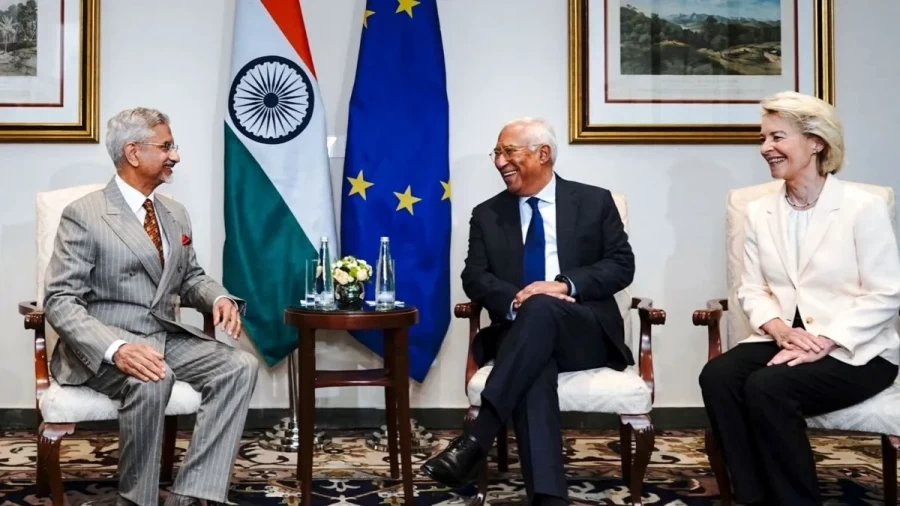
European Commission President Ursula von der Leyen and Indian Commerce Minister Piyush Goyal have both used the term 'Mother of All Deals' to emphasize the importance of this agreement. The moniker reflects the fact that this deal comes after nearly 20 years of rigorous negotiations, while with the President of the European Council and the European Commission President attending India's Republic Day as chief guests, the formal announcement on January 27 is set to be a geopolitical milestone.
India: A Strategic Economic Powerhouse
India's rapid economic ascent has made it an indispensable partner for the EU, while as the world's fourth-largest and fastest-growing major economy, India is on the verge of surpassing the $4 trillion GDP mark, overtaking Japan. At the World Economic Forum, Ursula von der Leyen highlighted that this partnership would create a free market for nearly two billion people, accounting for roughly one-fourth of the global GDP, while this cooperation is seen as a stabilizer for the global economy amidst geopolitical tensions.
Trade Dynamics and Market Access
According to the Global Trade Research Initiative (GTRI), India currently enjoys a trade. Surplus with the EU, exporting goods worth $76 billion against imports of $61 billion. However, the withdrawal of GSP benefits in 2023 had impacted the competitiveness of Indian products. The new FTA aims to restore these advantages, providing a massive boost to sectors like apparel, pharmaceuticals, steel, and petroleum products. The deal is expected to reduce tariffs on over 90% of goods over the next decade.
Geopolitical and Economic Impact
Beyond simple trade, this agreement is a strategic move to diversify global supply chains, while experts predict that the FTA could increase India's exports by 20-30% and Importantly boost foreign direct investment (FDI) in the manufacturing sector. By aligning standards on sustainable development and intellectual property, the deal bridges the gap between two of the world's largest democratic markets, ensuring long-term economic growth and stability.
