
- India,
- 11-Jun-2026 04:25 PM IST



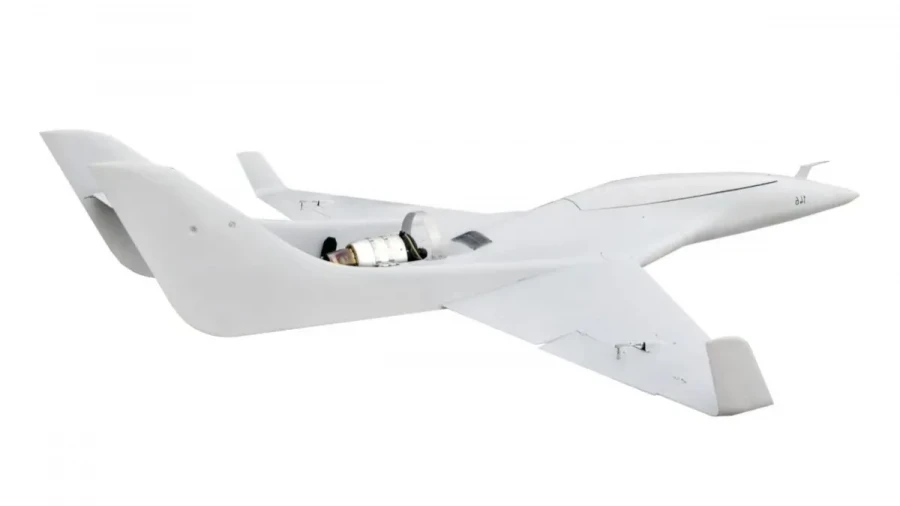
The Indian Army has achieved a significant milestone in its modernization drive by inducting a substantial fleet of advanced aerial weaponry, while in a major boost to its tactical strike capabilities, the army has officially received more than 100 operational and 6 training units of the Peacekeeper (Agniveg) jet-based kamikaze drones. This delivery, completed by the Indian defense firm SMPP, marks a pivotal moment in the integration of indigenous high-speed loitering munitions into the armed forces. The induction of these drones is expected to provide the Indian Army with a decisive edge in modern warfare scenarios, allowing for rapid and precise neutralization of high-value targets deep within enemy territory.
Strategic Delivery by SMPP
The procurement process reached its conclusion as SMPP handed over a total of 106 jet-based Peacekeeper (Agniveg) kamikaze drones to the Indian Army. This comprehensive package includes 100 drones designated for active operational duties and 6 specialized systems intended for training purposes. By incorporating these training systems, the army ensures that its personnel are well-equipped and proficient in handling this sophisticated technology before deployment in real-world combat situations. The successful delivery of these indigenous systems underscores the growing prowess of India's domestic defense manufacturing sector and its ability to meet the stringent requirements of the military.
Technical Specifications and Performance
The Peacekeeper (Agniveg) drone is a marvel of indigenous engineering, designed to operate as a high-speed kamikaze or loitering munition. One of its most striking features is its propulsion system, which is jet-based, allowing it to achieve remarkable speeds of up to 450 kilometers per hour. This high velocity ensures that the drone can reach its target quickly, leaving minimal reaction time for enemy air defense systems. On top of that, the drone boasts an impressive operational range of 180 kilometers, enabling the Indian Army to strike targets located far behind the front lines without putting manned aircraft or ground troops at immediate risk.
Precision and Accuracy
In modern warfare, precision is as critical as power. The Agniveg drone excels in this department with a Circular Error Probable (CEP) of less than 5 meters. This level of accuracy ensures that the drone can hit specific enemy installations, vehicles, or command centers with surgical precision, minimizing collateral damage and maximizing the impact of each strike. The combination of high speed and extreme accuracy makes the Peacekeeper a formidable tool for targeted operations where traditional artillery or slower drones might be less effective.
Resilience Against Electronic Warfare
The modern battlefield is increasingly defined by electronic interference, but the Agniveg drone is built to withstand such challenges, while it's an indigenous turbojet kamikaze drone specifically engineered to function effectively in environments saturated with electronic jamming and spoofing. These advanced electronic warfare countermeasures often render standard drones useless by breaking their communication links or misdirecting their navigation systems. However, the Peacekeeper (Agniveg) is designed to maintain its mission integrity and successfully reach its designated coordinates even when faced with sophisticated electronic opposition. This resilience ensures that the Indian Army can rely on these drones during complex missions where the enemy is likely to employ electronic defense mechanisms.