

- India,
- 27-Apr-2026 04:29 PM IST


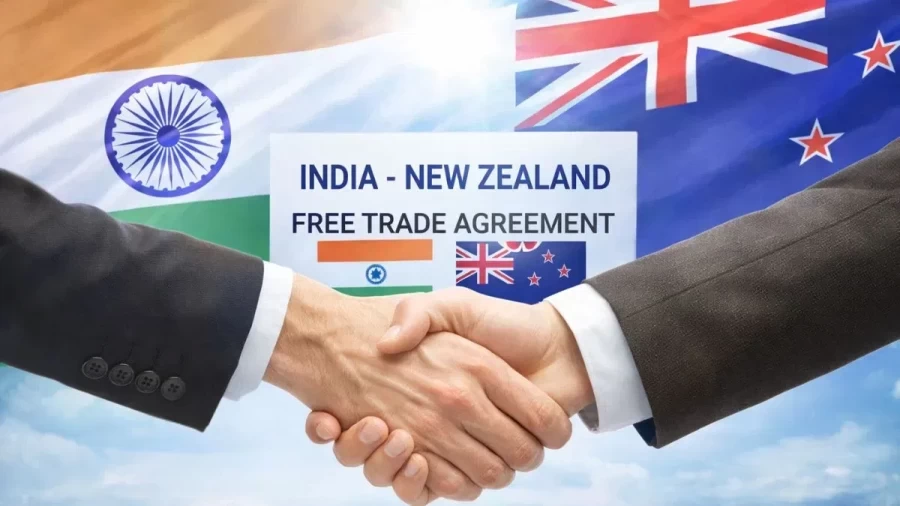
After a decade-long wait, India and New Zealand have officially signed a historic Free Trade Agreement (FTA). This landmark deal, described as a 'once-in-a-decades' agreement, was finalized on Monday in the presence of India's Commerce Minister Piyush Goyal and New Zealand's Trade Minister Todd McClay, while the negotiations for this trade pact originally began in 2010 but stalled in 2015. Following a restart last year, it has become one of India's fastest-concluded trade agreements, opening new vistas for bilateral economic cooperation.
Employment Opportunities for Indian Youth
A significant highlight of this agreement is the boost to employment for Indian professionals. Under the deal, New Zealand is introducing a new employment visa system that will allow 5,000 Indian professionals to work in the country for a period of three years. This will benefit individuals in sectors such as IT, education, financial services, construction, and healthcare. Also, the agreement paves the way for traditional Indian services, including Ayush, yoga instructors, Indian chefs, and music teachers, to showcase their skills in New Zealand, while indian labor-intensive sectors like textiles, leather, plastics, and engineering will now enjoy duty-free access to the New Zealand market.
Investment Inflow and Market Access
The FTA is expected to Notably increase foreign capital inflow into India. Projections suggest that India could receive approximately $20 billion in Foreign Direct Investment (FDI) from New Zealand over the next 15 years. In return, New Zealand gains expanded access to India's vast consumer market. More than 54% of New Zealand's products, including wool, coal, wood products, and seafood, will now enter India without any import duties. This move is expected to provide Indian consumers with better and more diverse options while strengthening trade ties.
Protection for Farmers and Sensitive Sectors
To safeguard the interests of domestic producers, the Indian government has adopted a balanced strategy in this deal. Sensitive sectors such as dairy, sugar, and certain specific metals have been kept entirely out of the agreement's scope to protect small farmers and local producers from foreign competition. Strict import regulations will continue to apply to agricultural products like apples, kiwi, and Manuka honey. Commerce Minister Piyush Goyal emphasized that while New Zealand's kiwi farmers are welcome, there will be no compromise on the interests of Indian farmers.
4 billion. This agreement aligns with India's strategy to penetrate small yet high-value markets and marks a new chapter in economic and diplomatic relations within the Indo-Pacific region.
