

- India,
- 07-Dec-2025 07:01 PM IST


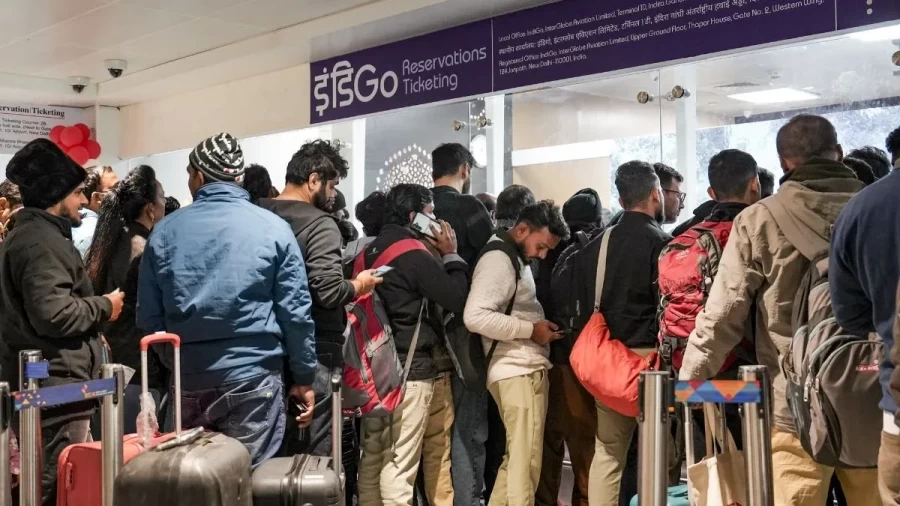
India's largest airline, IndiGo, has been grappling with a severe operational crisis for the sixth consecutive day, leading to widespread flight cancellations and significant inconvenience for thousands of passengers, while on Sunday, the airline managed to operate approximately 1650 flights out of its scheduled 2300 domestic and international services, while still cancelling 650 flights. This ongoing disruption has prompted the Ministry of Civil Aviation to closely monitor the situation, revealing that the airline has already processed refunds totaling ₹610 crore to affected travelers. Plus, IndiGo has successfully reunited passengers with over 3000 pieces of luggage across the country, a testament to the scale of the logistical challenges faced during this period.
CEO Expresses Confidence in Return to Normalcy
Amidst the turbulent operational environment, IndiGo CEO Peter Elbers addressed the situation on Sunday, stating that the airline is gradually moving towards normalcy, while he highlighted that IndiGo is operating around 1650 flights today, indicating a step towards recovery from the extensive disruptions. Elbers emphasized that the airline has implemented further improvements to its systems, aiming to streamline operations and enhance passenger experience. A key measure introduced is the proactive cancellation of flights in the initial stages, ensuring that passengers whose flights are affected don't travel to the airport unnecessarily, thereby mitigating further inconvenience and frustration.
Magnitude of Flight Cancellations
The operational crisis reached its peak over the weekend, with a staggering number of flights being cancelled. On Friday, IndiGo was forced to cancel more than 1000 flights, marking one of the most significant single-day disruptions in its history. The situation continued to be challenging on Saturday, with over 800 flights being called off. While Sunday saw a slight improvement with 650 cancellations, the cumulative impact over three days alone underscores the severity of the crisis and the widespread disruption it caused to travel plans across the nation.
Unpacking the Root Causes of the Crisis
The unprecedented operational meltdown at IndiGo, which led to the cancellation of thousands of flights, stems from a confluence of factors, primarily new regulatory changes and the airline's internal staffing model. The Directorate General of Civil Aviation (DGCA) introduced revised Flight Duty. Time Limit (FDTL) rules, which Importantly altered the working conditions for pilots. These new regulations mandated an increase in the weekly rest period for pilots from 36 hours to 48 hours. Also, the number of night flights a pilot could operate was restricted to a maximum of two.
Impact of New DGCA Regulations
The updated FDTL rules had a direct and substantial impact on the number of flights each pilot could operate within a given period. By increasing the mandatory rest time and limiting night operations, the new regulations effectively reduced the available flying hours per pilot. This regulatory shift, while aimed at enhancing safety and pilot well-being, inadvertently created a significant strain on airlines, particularly those with lean staffing models. The sudden reduction in pilot availability per flight schedule necessitated a re-evaluation of flight rosters and crew assignments, a challenge that IndiGo found particularly difficult to manage given its existing operational structure, while
IndiGo's Lean-Staffing Model and Pilot Shortage
Compounding the effects of the new DGCA rules was IndiGo's "lean-staffing" model. This operational strategy, designed to maximize efficiency and minimize overheads, meant that. The airline operated with a relatively tight margin of available crew members. When the FDTL rules changed, this lean model proved insufficient to absorb the sudden reduction in pilot capacity, while the airline had identified a requirement for 2422 captains for its Airbus A320 fleet but only had 2357 captains available. This deficit of 65 captains, coupled with a shortage of 'First Officers,' created a critical gap in its operational capabilities. The combination of reduced pilot availability due to new regulations and an existing shortage of qualified crew members forced IndiGo to cancel hundreds of flights daily, leading to the prolonged crisis, while
Steps Towards Recovery and Future Outlook
As IndiGo navigates this challenging period, the airline's CEO has indicated a clear path towards recovery. The focus remains on optimizing flight schedules, ensuring compliance with the new FDTL regulations, and potentially adjusting staffing levels to prevent similar crises in the future, while the proactive approach of cancelling flights early and the successful processing of refunds and bag returns demonstrate the airline's efforts to manage the immediate aftermath and restore passenger confidence. While the full return to pre-crisis operational efficiency may take time, the airline's leadership remains committed to stabilizing services and minimizing disruptions for its vast network of domestic and international travelers.
