

- India,
- 04-Apr-2026 07:00 AM IST


The Board of Control for Cricket in India (BCCI) has implemented a landmark change in the financial structure of the Indian Premier League (IPL) by introducing a uniform match fee for all participating players. 5 lakh per match. This fee is supplementary to the player's contracted auction salary, marking a significant shift in how professional cricketers are remunerated in the world's richest T20 league.
Standardization of Match Fees and Eligibility
According to the official announcement by BCCI Secretary Jay Shah, the introduction of match fees aims to reward players for their active participation on the field. Each franchise is required to allocate a specific fund for these payments outside of their main auction purse. 05 crore over and above their auction price. The rule explicitly includes 'Impact Players,' ensuring that those who contribute to the game strategically without being in the initial starting lineup are also compensated equally.
Parity Between High-Value Stars and Base-Price Players
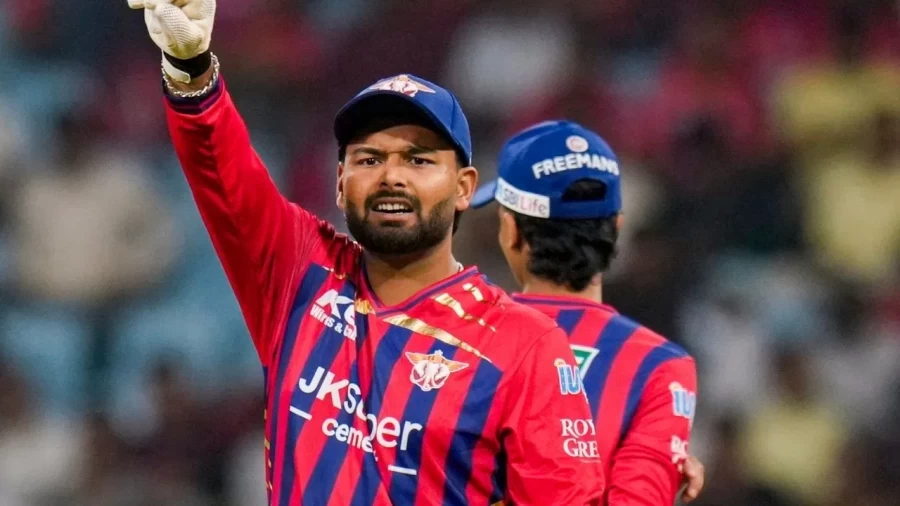
The IPL auction often highlights vast disparities in player valuations, with marquee players like Rishabh Pant securing contracts worth ₹27 crore, while many domestic talents are signed at a base price of ₹30 lakh. However, the new match fee structure brings a level of financial parity on match days. 5 lakh for a single appearance. This system acknowledges the equal effort required on the field by every member of the playing squad during the course of a match.
Comparison with Team India International Fees
The newly established IPL match fee Importantly exceeds the remuneration provided to Indian cricketers for representing the national team in T20 Internationals (T20Is). Currently, the BCCI pays ₹3 lakh per T20I match to players in the national squad. 5 lakh is more than double the international rate. This discrepancy underscores the commercial strength of the IPL and its ability to provide higher short-term financial returns compared to the standard international format, further incentivizing player availability for the full duration of the league.
Impact on Domestic and Emerging Cricketers
This financial policy is particularly transformative for uncapped and domestic players who often enter the league at lower salary brackets, while 35 crore. According to officials, this move is designed to provide financial security to younger athletes and ensure that the league remains a viable career path for domestic talent. It reduces the reliance on high auction bids for a player to achieve a substantial income during the two-month tournament window.
Franchise Obligations and Budgetary Provisions
The BCCI has mandated that franchises must manage this additional expenditure as part of their operational costs. While the auction purse remains the primary tool for squad building, the match fee fund is a separate requirement that ensures direct profit-sharing from the league's massive broadcasting and sponsorship revenues with the players. This regulation applies to both Indian and overseas players, maintaining the league's status as a premier global destination for cricketing talent. The board views this as a necessary step to align player compensation with the overall growth of the IPL's valuation.
