

- India,
- 19-Mar-2026 05:43 PM IST


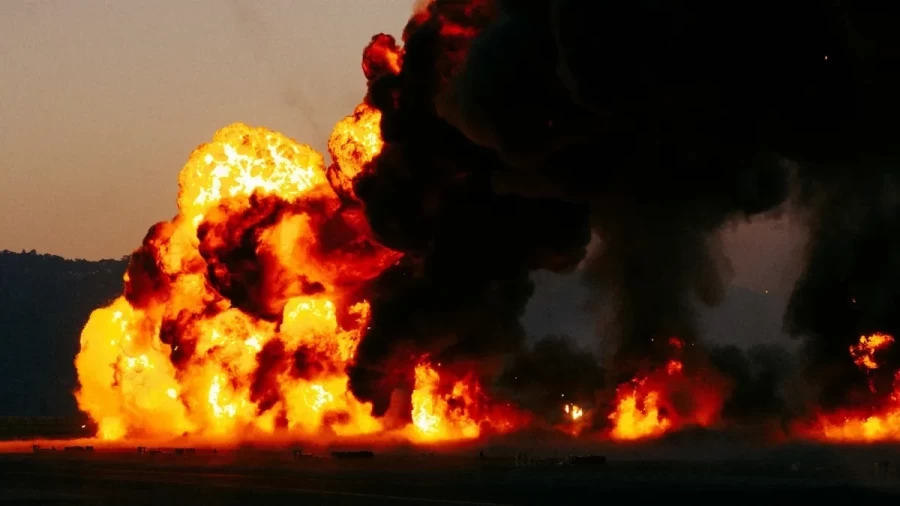
The escalating geopolitical tensions in the Middle East have dealt a significant blow to India's energy security following a missile strike by Iran on Qatar's Ras Laffan gas plant. According to official reports, the attack has led to a complete suspension of Liquefied Natural Gas (LNG) shipments from one of India's primary energy partners. India relies heavily on Qatar for its natural gas requirements, and this sudden disruption has raised concerns over fuel availability across the domestic market. Authorities have initiated emergency protocols to assess the impact and mitigate the risks to the national energy grid.
Details of the Strike on Ras Laffan Facility
The Ras Laffan Industrial City in Qatar is recognized as one of the world's largest hubs for natural gas processing and export. The missile strike launched by Iran targeted critical infrastructure within the facility, leading to an immediate operational shutdown. Preliminary assessments indicate damage to processing units and storage tanks. Following the incident, Qatar has suspended vessel movements from its export terminals as a precautionary measure. This facility serves as a vital artery for the global energy market, and the extent of the damage suggests that restoration efforts may take considerable time, leading to volatility in international gas prices.
Immediate Impact on India's Energy Imports
The disruption is particularly severe for India, as approximately 20% of the country's total gas imports originate from this specific Qatari plant. 4MMSCMD (Million Metric Standard Cubic Meter Per Day) has been abruptly halted. Sources within the Ministry of Petroleum and Natural Gas indicate that the schedule for LNG tankers bound for Indian ports has been completely derailed. Major state-run entities, including GAIL and Petronet LNG, are closely monitoring the situation, while the sudden drop in supply is expected to lower pressure in the national gas grid, potentially affecting distribution networks across various states.
Vulnerability of the Power and Fertilizer Industries
The shortage of gas is expected to have a widespread impact on India's power generation and fertilizer manufacturing sectors. Several power plants in India are gas-based, and a reduction in supply could lead to decreased electricity output, while Plus, the fertilizer sector, which is crucial for the agricultural economy, is the largest consumer of natural gas. If supplies aren't restored promptly, urea production could face significant setbacks. The government has signaled that industrial gas supplies might be diverted to ensure the continuity of Piped Natural Gas (PNG) for households and Compressed Natural Gas (CNG) for transport, which could increase operational costs for factories.
Maritime Security Concerns in the Strait of Hormuz
The military escalation between Iran and Qatar has rendered maritime trade through the Strait of Hormuz highly precarious. This narrow waterway is the most critical transit point for global oil and gas trade. Due to the threat of further missile attacks and regional instability, insurance companies have Notably increased premiums for vessels operating in this zone. This poses a major logistical challenge for Indian shipping companies and importers. High alerts have been issued for vessel movements, and several cargo ships have been instructed to remain at safe anchorages. Any prolonged blockage of this route would necessitate alternative, more expensive, and time-consuming supply paths.
Government Response and Search for Alternative Suppliers
In response to the current crisis, the Indian government has begun exploring possibilities for importing gas from alternative nations. According to officials, discussions are underway to secure additional LNG cargoes from the United States, Australia, and the United Arab Emirates, while however, acquiring gas from the spot market may prove to be a costly endeavor due to the sudden spike in global prices. The government is also considering the utilization of strategic gas reserves to bridge the short-term deficit. The Ministry of Power is evaluating the increased use of alternative fuels like naphtha and coal to maintain grid stability while maintaining diplomatic contact with Qatari authorities for updates on supply restoration.
