

- India,
- 20-Mar-2026 10:05 PM IST


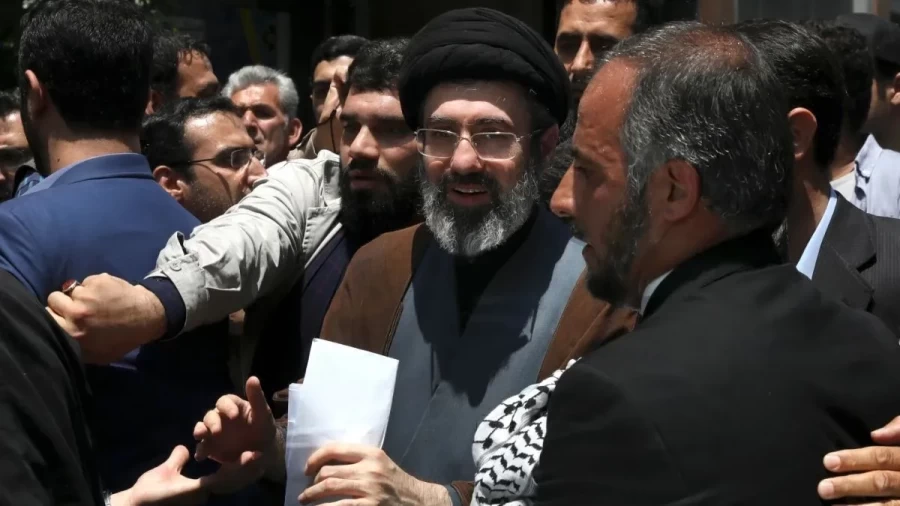
Iran's Supreme Leader Mojtaba Khamenei issued a written statement on Friday, effectively ending weeks of speculation regarding his health and status. In a message released on the occasion of the Persian New Year, Nowruz, Khamenei directly challenged Israeli Prime Minister Benjamin Netanyahu and US President Donald Trump. The statement, which was read on Iranian state television, emphasized that the military actions taken by the United States and Israel were based on the "illusion" that assassinating top leaders would lead to the collapse of the Iranian government. He asserted that this perception is now being shattered by the resilience of the Iranian state and its people.
Response to Israeli and American Military Actions
Mojtaba Khamenei addressed the recent escalations, stating that the enemy's strategy was rooted in the belief that the martyrdom of the Supreme Leader and key military figures would instill fear and despair among the public. According to the statement, the ultimate goal of these actions was to fragment and occupy Iran. However, Khamenei claimed that the Iranian people have established a nationwide defensive front, creating strongholds in cities, neighborhoods, and mosques. He noted that the effectiveness of this defense has left the opposition in a state of confusion, leading to what he described as contradictory and illogical public statements from foreign officials.
Classification of the Three Military and Security Conflicts
The Supreme Leader detailed three distinct phases of conflict that Iran has faced over the past year. He identified the first as the "June War," during which he alleged that the "Zionist enemy," with specific assistance from the United States, killed approximately 1,000 Iranian citizens during a period of ongoing negotiations. The second phase was described as the "January Coup War," where he claimed the US and Israel attempted to exploit economic grievances to incite internal chaos. The current situation was labeled as the "Third War," which began with the transition of power following the death of his father, Ayatollah Ali Khamenei, on the first day of the conflict.
Status of the Supreme Leadership Post-Transition
Since assuming leadership following his father's death, Mojtaba Khamenei has not made a public appearance, leading to various reports from Israeli and US officials suggesting he may have been injured in recent strikes. This Nowruz and Eid al-Fitr message serves as a strategic communication to demonstrate the continuity and stability of the Iranian leadership. While the statement was written rather than delivered via video, it aimed to project authority and dismiss rumors of a power vacuum. Khamenei used the platform to pay tribute to fallen personnel, including students from Minab and the crew of the Dena destroyer, signaling a focus on national martyrdom and sacrifice.
Resilience of the Iranian Defensive Front
Khamenei praised the collective efforts of the Islamic Revolutionary Guard Corps (IRGC), the regular army, the Basij, and the police forces. He emphasized that the nation's strength lies in its decentralized defensive structure, which integrates military forces with civilian support. The statement concluded by reaffirming Iran's commitment to its security apparatus and its refusal to succumb to external pressure. By highlighting the role of border guards and security forces, the Supreme Leader sought to reinforce the message that the Iranian state remains vigilant and prepared for prolonged regional tensions.
