
- India,
- 29-Sep-2026 05:51 PM IST



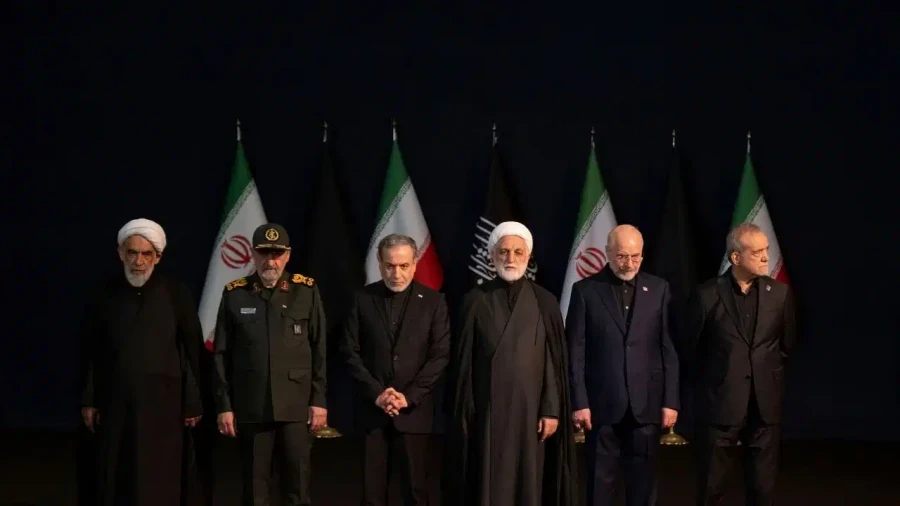
In a significant revelation that sheds light on the internal power dynamics of the Islamic Republic, Iranian President Masoud Pezeshkian has claimed that a specialized team of six individuals is now responsible for making all major decisions concerning war and international negotiations. This disclosure was made during Pezeshkian's recent visit to the United States, where he addressed the shifting landscape of Iranian governance, while the revelation comes at a time when the Supreme Leader, Mojtaba Khamenei, has largely remained out of the public eye, leading to widespread speculation about the country's leadership structure during this period of heightened conflict.
The Composition of the Decision Making Team
According to a report by the Sazandegi newspaper, this six-member committee has been entrusted with the country's strategic direction in the absence of the Supreme Leader's active public presence. The team is composed of high-ranking officials representing the executive, judiciary, and legislative branches of the Iranian government, while the identified members include Mohammad Bagher Ghalibaf, the Speaker of the Iranian Parliament, and President Masoud Pezeshkian himself. Joining them is Gholam-Hossein Mohseni-Ejei, the Chief of the Judiciary, ensuring that all three main pillars of the state are represented in the decision-making process.
Key Security and Military Figures
The committee also includes pivotal figures from Iran's security and military apparatus. Mohsen Rejaei, the Secretary of the Supreme National Security Council, plays a crucial role in this group. Also, Ahmad Vahidi, the Commander of the Islamic Revolutionary Guard Corps (IRGC), is a central member of the team, while the IRGC currently holds the primary military power in Iran, and Vahidi is known to be a close associate of the Khamenei family. A sixth member, identified as a senior military commander, is also part of this elite group, though their specific identity has not been officially disclosed due to security considerations.
The Role of the Supreme Leader
The structure of this team was reportedly established by the second Supreme Leader, Ali Ahmed Khamenei, to maintain stability and control. While President Pezeshkian maintains that Mojtaba Khamenei is in good health and continues to live an underground life since the start of the conflict with the United States in February 2026, his role appears to have evolved. Reports from Iranian media suggest that while the Supreme Leader engages in consultations with senior leaders, he now primarily serves to endorse or rubber-stamp the decisions formulated by this six-member committee. This indicates a significant shift in how executive and strategic power is exercised within the nation.
Responsibilities and Domestic Control
This six-member team is tasked with a wide range of responsibilities, including determining the specific issues to be discussed in dialogues with the United States and other foreign nations. Beyond international diplomacy, the team is also responsible for maintaining domestic control and managing the Iranian populace. The executive authority remains with the President, while the IRGC, under Vahidi's leadership, provides the necessary military backing to enforce these decisions. This centralized committee ensures that Iran presents a unified front during its ongoing geopolitical struggles.
Diplomatic Standoff and the Hormuz Issue
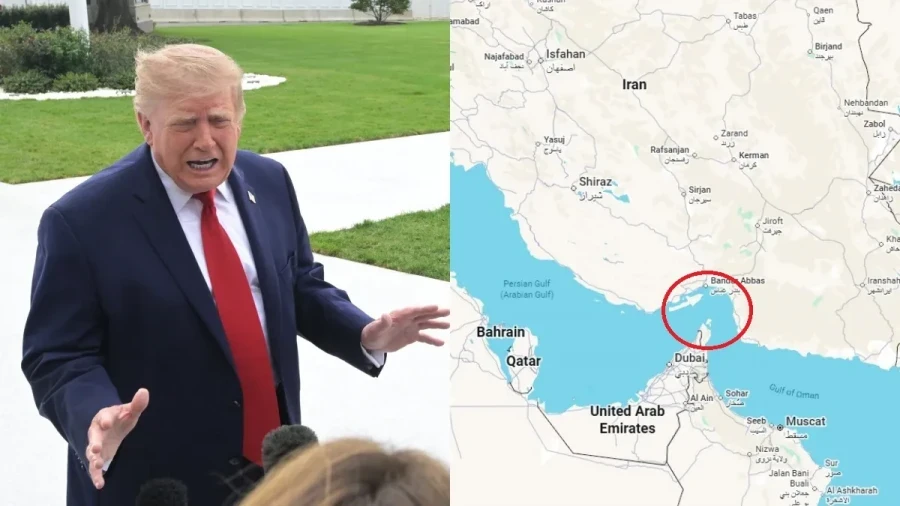
On the diplomatic front, the challenges remain substantial. Recently, Iranian Foreign Minister Abbas Araghchi met with US envoy Steve Witkoff in New York, a meeting facilitated by the mediation of Qatar, while during these discussions, Iran proposed a potential reopening of the Strait of Hormuz, provided that the United States agrees to end its blockade of the region. However, this proposal has faced immediate resistance. US President Donald Trump has reportedly rejected the offer, although the American administration has indicated that negotiations regarding other alternative proposals are still in progress. The stalemate highlights the complexities faced by the six-member team as they navigate the current international crisis.