
- India,
- 13-Nov-2026 09:23 AM IST



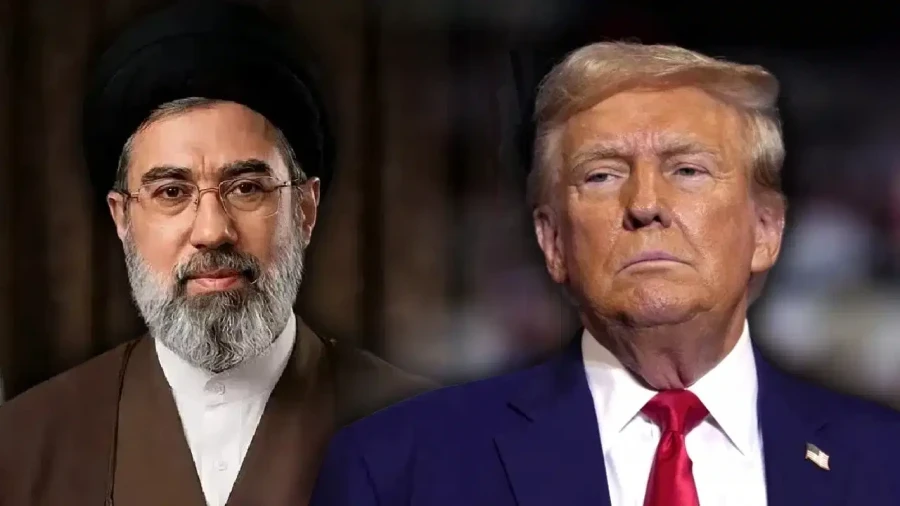
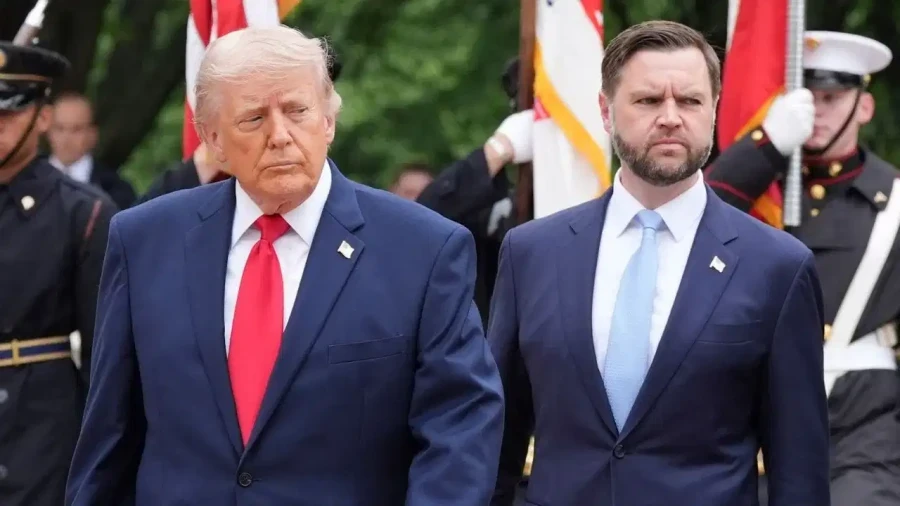
US President Donald Trump has signaled a definitive step back from ongoing peace negotiation efforts with Iran, declaring explicitly that the United States no longer requires any sort of agreement with the Iranian government. In a major political reshuffle, Trump has officially removed Vice President JD Vance from leading diplomatic talks with Iran, instructing him instead to redirect his absolute focus toward investigating alleged corruption and crime in states governed by the Democratic Party across America. Prior to this directive, Vice President JD Vance had been actively spearheading diplomatic meetings and direct negotiations aimed at bringing a definitive halt to the ongoing conflict with Iran.
Taking to his official social media platform Truth Social on Thursday, US President Donald Trump stated firmly that the United States currently possesses both Iran's money and the strategically vital Strait of Hormuz under its control. Through this public declaration, he emphasized that America maintains a position of absolute strength without needing any formal diplomatic accord. Following this statement, Trump issued direct instructions to Vice President JD Vance to immediately travel to and thoroughly investigate prominent Democratic-led states such as Minnesota, California, and Illinois for alleged systemic corruption. The US President made the bold claim that billions of dollars are being stolen every single month within these specific states. He asserted that successfully intercepting and saving this illicitly drained money could substantially reduce the mounting national budget deficit of the United States. However, it's notable that President Trump didn't provide any concrete or verifiable evidence to substantiate these serious allegations.
Diplomatic and Political Reasons Behind Trump's Exit from Iran Talks
This stringent and sudden statement from President Donald Trump arrived at a critical juncture, coming just one day after the prestigious Wall Street Journal published a major report indicating that Vice President JD Vance was actively considering engaging in face-to-face negotiations with a high-ranking Iranian security official. However, independent verification regarding this rumored potential meeting was never officially established. Diplomatic circles had been abuzz with speculations that both nations were attempting to find a workable compromise through third-party mediation, but Trump's recent stance has effectively dismantled all such possibilities.
Looking closely at the official timeline, Vice President JD Vance had held direct discussions with Iranian officials during his diplomatic visit to Pakistan in April 2026. As a positive outcome of that initial diplomatic outreach, a formal agreement aimed at cessation of hostilities between the two warring sides was successfully brokered in the month of June. Regrettably, however, this fragile agreement completely collapsed within a matter of just a few weeks. Subsequently, Iranian state media reported last month that Tehran had received an official communication letter from Vice President JD Vance, urging them to resume the stalled diplomatic dialogue, while this disclosure created a minor controversy when President Donald Trump later asserted publicly that he had never given any such instructions to Vice President JD Vance, nor had he authorized the resumption of talks.
US Administration Dismisses Iran Agreement Conditions as Absurd
It isn't only President Donald Trump who has adopted a hardline stance; US Secretary of State Marco Rubio has also outrightly dismissed the conditions set forth by Iran for any potential agreement, labeling them as utterly absurd and completely unacceptable. Among the key demands presented by Iran was a substantial financial compensation payout from the United States to cover the massive damages sustained during the military conflict. Secretary of State Marco Rubio stated in unequivocal terms that President Donald Trump will never accept such an unreasonable and humiliating condition under any circumstances.
Examining the prevailing ground realities, the United States has firmly maintained its strict maritime blockade against Iranian ports. The official rationale provided by the US administration is that this continuous pressure is steadily increasing strategic use over Tehran, compelling them toward isolation. Concurrently, the United States Navy has been making vigorous efforts to guarantee the safe and unhindered transit of international commercial vessels navigating through the Strait of Hormuz. Amidst this heavy military deployment, the Iranian military officially claimed on Thursday that four oil tankers moving forward in defiance of strict warnings had suffered severe explosions, escalating geopolitical tensions in the region even further.
Midterm Election Setbacks and the Domestic Impact of the Iran War
The broader political backdrop of these dramatic developments is heavily influenced by the recent outcome of the United States midterm elections. In the legislative elections held across the nation last week, the ruling Republican Party suffered noticeable losses in congressional seats when compared to the opposition Democratic Party. In the immediate wake of this electoral setback, Vice President JD Vance himself publicly acknowledged that the heavy financial expenditures and political costs associated with the ongoing Iran war had created a visible negative impact on the party's performance at the ballot box.
On top of that, following the release of the election results, Vice President JD Vance reiterated that his earlier advice advocating for a swift end to the military conflict was entirely accurate and sound. Reviewing the historical context, the United States and its close regional ally Israel had initiated a coordinated military campaign against Iran's nuclear infrastructure and military installations back in February 2026. President Donald Trump has consistently defended this military intervention, repeatedly asserting on multiple occasions that taking aggressive military action was absolutely necessary and vital to prevent Iran from successfully developing nuclear weapons.