

- India,
- 27-Apr-2026 09:18 AM IST


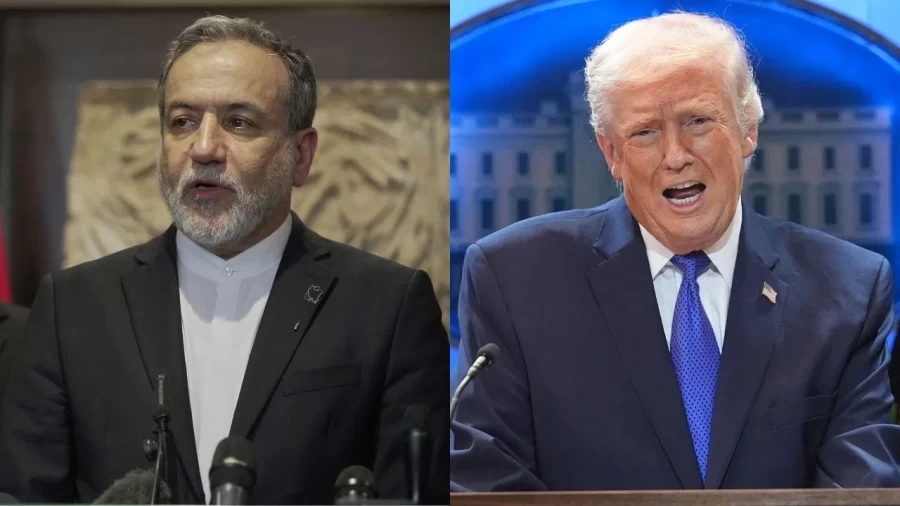
Iran has formally submitted a new diplomatic proposal to the United States, suggesting a phased approach that prioritizes the reopening of the Strait of Hormuz and the cessation of hostilities over immediate nuclear negotiations. This development, confirmed by US officials and two sources familiar with the matter, was reported by Axios, highlighting a potential shift in Tehran's negotiation strategy. Currently, negotiations between Washington and Tehran remain deadlocked due to internal disagreements within Iran regarding the extent of concessions to be made on its nuclear program. Consequently, Iran seeks to reach a quick agreement on less complex issues first, deferring the contentious nuclear file to a later stage.
Trump's Strategy and High-Level National Security Meeting
If the United States accepts this proposal, it could potentially alleviate the diplomatic and economic pressure currently maintained by President Donald Trump. Trump's primary objective remains the total elimination of Iran's enriched uranium stockpile and a complete halt to uranium enrichment activities, while analysts suggest that if the war ends and the Strait of Hormuz reopens prematurely, the US would lose significant use in subsequent nuclear talks. In light of these developments, President Trump is scheduled to hold a major meeting with his national security and foreign policy teams on Monday to discuss the current impasse and future strategic options regarding Iran.
Araghchi's Diplomatic Circuit and the Islamabad Deadlock
The diplomatic crisis intensified after Iranian Foreign Minister Abbas Araghchi's visit to Pakistan concluded without a breakthrough. Original plans involved US representatives Steve Witkoff and Jared Kushner meeting Araghchi in Islamabad; however, President Trump cancelled the trip after Iran failed to provide a clear response. Trump remarked that he saw no reason to send representatives on an 18-hour flight under current conditions, noting that discussions could be conducted just as easily via telephone. On Sunday, Araghchi met with officials in Muscat, Oman, to discuss the Strait of Hormuz before returning to Islamabad for further talks, while he's also expected to travel to Russia on Monday to meet with President Vladimir Putin.
Core Points of Contention and White House Response
According to sources, Araghchi informed mediators from Pakistan, Egypt, Turkey, and Qatar that there is no consensus within Iran regarding US demands, while the United States insists that Iran must halt uranium enrichment for at least 10 years and ship its enriched uranium out of the country. Conversely, Iran's new proposal focuses on reopening the Strait and lifting US sanctions, including provisions for a long-term ceasefire or total end to the war, before nuclear discussions begin. While the White House has received the proposal, no decision has been made. White House spokesperson Olivia Wells stated that the US won't negotiate through the media and emphasized that any deal must serve the interests of the American people and prevent Iran from obtaining nuclear weapons.
